

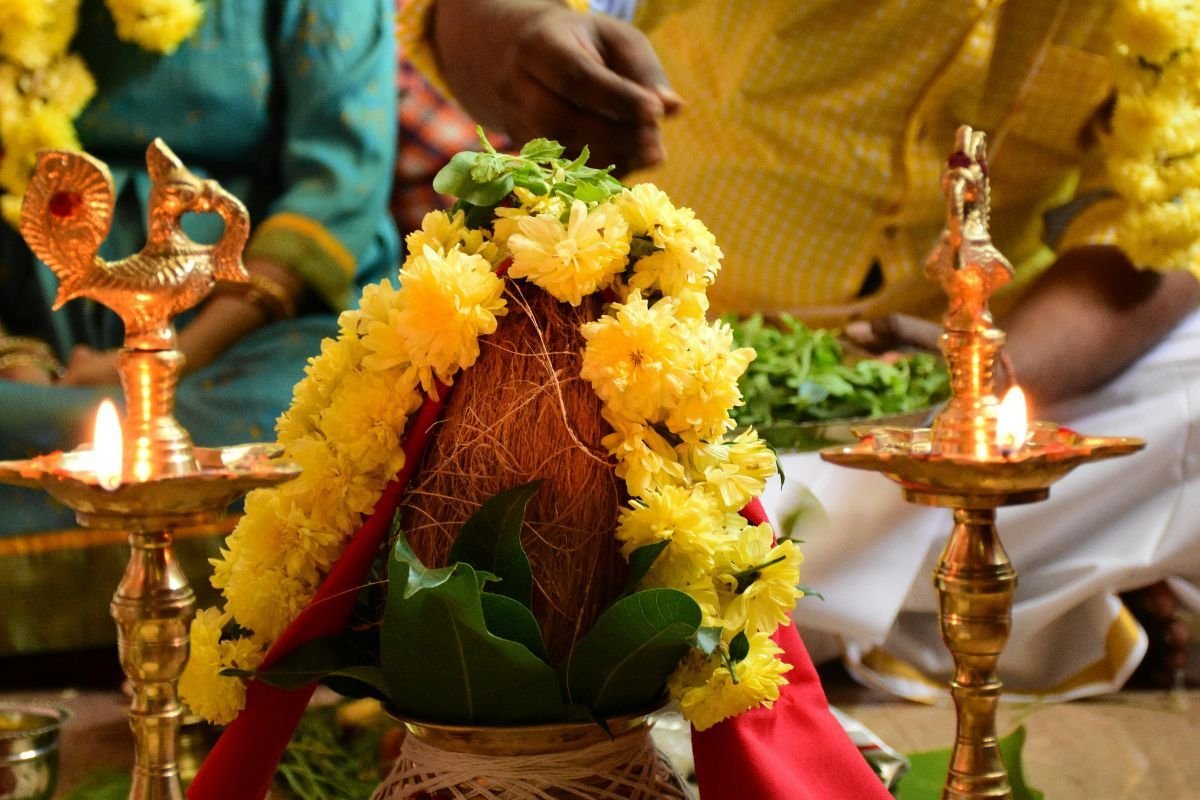
Tamil New Year, celebrated as Puthandu, signifies the onset of the Tamil month Chithirai in the Tamil solar calendar. In 2026, this vibrant festival is observed on 14 April, introducing the Tamil year Parābhava, a time heralding new beginnings, prosperity, and renewal.
For Tamil communities globally, Puthandu represents a special occasion marked by family prayers, temple visits, and communal meals. The day begins with families engaging in prayers and festivities, while homes are meticulously cleaned and adorned with colorful kolam patterns at the entrance. These artistic designs, crafted from rice flour, are not only visually striking but are believed to usher in good fortune and positive energy for the year ahead.
South Africa’s Rich Tamil Heritage
South Africa boasts a rich Tamil heritage that stretches back over a century. The arrival of Indian indentured laborers in the 1800s brought Tamil culture to the nation, where it continues to flourish through various languages, religious practices, and community traditions. Today, over 500,000 individuals of Tamil descent call South Africa home, sustaining their vibrant traditions.
Tamil, one of the oldest living languages in the world and designated a classical language in India, has attained recognition from international organizations like UNESCO for its cultural significance. Across South Africa, Tamil communities actively preserve their heritage through cultural organizations, temples, and numerous festivals.
Traditional Foods Enjoyed During Tamil New Year
Food is an essential component of Tamil New Year festivities. Families come together to prepare a vegetarian feast, sharing traditional dishes that are both flavorful and symbolic. One of the standout dishes is Mango Pachadi, made from raw mango, jaggery, spices, and chilies. This dish harmonizes sweet, sour, and spicy elements, representing the diverse experiences one may encounter throughout the year.
Other beloved dishes during the celebrations include Medhu Vadai, a crispy fried lentil snack, and Payasam, a sweet dessert crafted from milk, vermicelli, or rice. The preparation of Mango Pachadi is especially significant as it embodies the acceptance of life’s highs and lows.
Bharatha Natyam Workshop and Recital
Cultural enrichment is also a highlight of this year’s Tamil New Year celebrations. A three-day Bharatha Natyam Masterclass workshop is scheduled from 17 to 19 April at the Natal Tamil Vedic Society’s Tamil Federation Hall in Durban. This workshop will concentrate on classical Tamil dance and cultural education, offering participants a deep dive into traditional performing arts.
Additionally, a solo Bharatanatyam recital by Sarveshan will take place on 18 April at 5 PM, allowing attendees to immerse themselves in the enchanting world of Tamil performing arts.
A Celebration of Culture and Community
For many South Africans, Puthandu represents more than merely the commencement of a new year; it serves as a time to honor heritage, strengthen community ties, and impart traditions to younger generations. Through temple visits, traditional culinary delights, music, and dance, Tamil New Year has become an increasingly vibrant cultural celebration within South Africa’s diverse landscape.
As families come together this April, the festival stands as a testament to the country’s rich multicultural identity and emphasizes the necessity of preserving traditions for future generations.
