

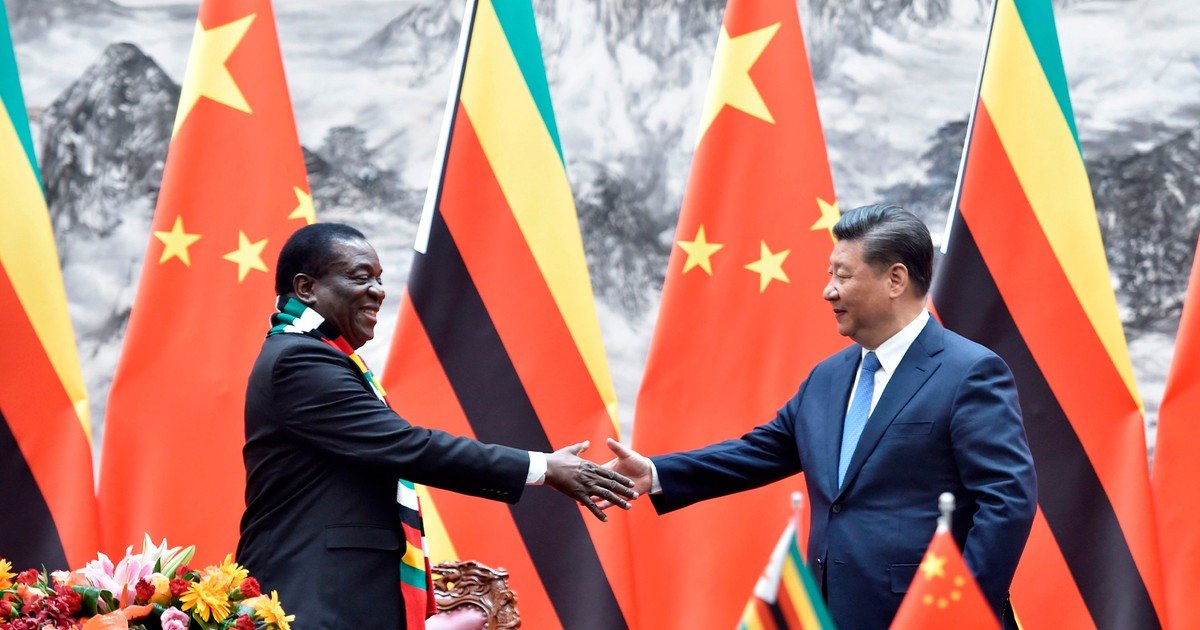
China’s Strategic Move in Zimbabwe’s Lithium Market
China’s Sichuan Yahua Industrial Group has recently secured a six-month export quota for lithium concentrates from Zimbabwe. This development follows Zimbabwe’s decision to halt lithium exports just two months prior, primarily due to concerns surrounding revenue loss, underpricing of resources, and insufficient domestic value addition.
According to Yahua representatives during an investor Q&A on an online platform linked to the Shenzhen Stock Exchange, the newly acquired quota will support regular production activities at the company’s Kamativi Mine. This step comes as Zimbabwe aims to enhance its control over mineral exports while fostering local processing commitments.
Shift Towards Tighter Controls in Zimbabwe
In February, Zimbabwe suspended exports of raw lithium and concentrates as part of a broader strategy to tighten control over its mineral resources. The government has indicated a shift toward implementing quotas linked to commitments for local processing, reflecting its objective to maximize the economic benefits derived from its rich mineral deposits.
Despite the imposition of these stricter regulations, Chinese companies have emerged as the primary beneficiaries. Firms such as Chengxin Lithium and Sinomine Resources have also received export approvals, illustrating China’s formidable presence in Zimbabwe’s burgeoning lithium sector.
China’s Dominance in Africa’s Lithium Landscape
This dominance is attributed to years of strategic investments, infrastructure development, and vertically integrated supply chains that connect African mines directly to Chinese processing facilities. In 2025 alone, Zimbabwe exported over 1.1 million tonnes of lithium-bearing concentrate to China, a significant portion of Beijing’s imports.
While the United States and other global powers are increasingly focusing on securing critical minerals, they have faced challenges in matching China’s rapid investment and expansive reach across Africa. Meanwhile, Russia remains a smaller player, concentrating more on energy partnerships rather than extensive mining ventures.
Zimbabwe’s Delicate Balancing Act
Zimbabwe’s approach to balancing tighter export controls with the needs of key investors encapsulates a broader trend on the African continent. Governments are striving to retain greater control over their mineral resources while ensuring they do not drive away the partners essential for production and economic growth.
As Zimbabwe moves forward, its strategies will be pivotal in shaping the future landscape of the lithium market, not only within Africa but also on the global stage. Engaging with key stakeholders, prioritizing local processing, and reinforcing regulatory frameworks will be crucial steps in maximizing the benefits of its mineral wealth.
For further insights into the implications of these developments, read more about Zimbabwe’s minerals strategy and China’s investment in Africa.
