

South Africa’s Land Reform Strategies Amid Growing Global Land Concentration
The International Conference on Agrarian Reform and Rural Development (ICARRD+20), held in Colombia from February 24 to 28, 2026, highlighted crucial lessons for South Africa in implementing effective land reform to aid marginalized communities.
The conference underscored the urgent requirement for land redistribution, restitution, and the regulation of land ownership as global land concentration becomes increasingly problematic. This trend often compromises environmental integrity and threatens the livelihoods and security of many people.
In South Africa, the struggle against land inequality, spatial disparity, and a housing crisis is ongoing. According to a FAO report, the world’s top 10% of landholders control approximately 56% of agricultural land, emphasizing the need for robust land reform strategies.
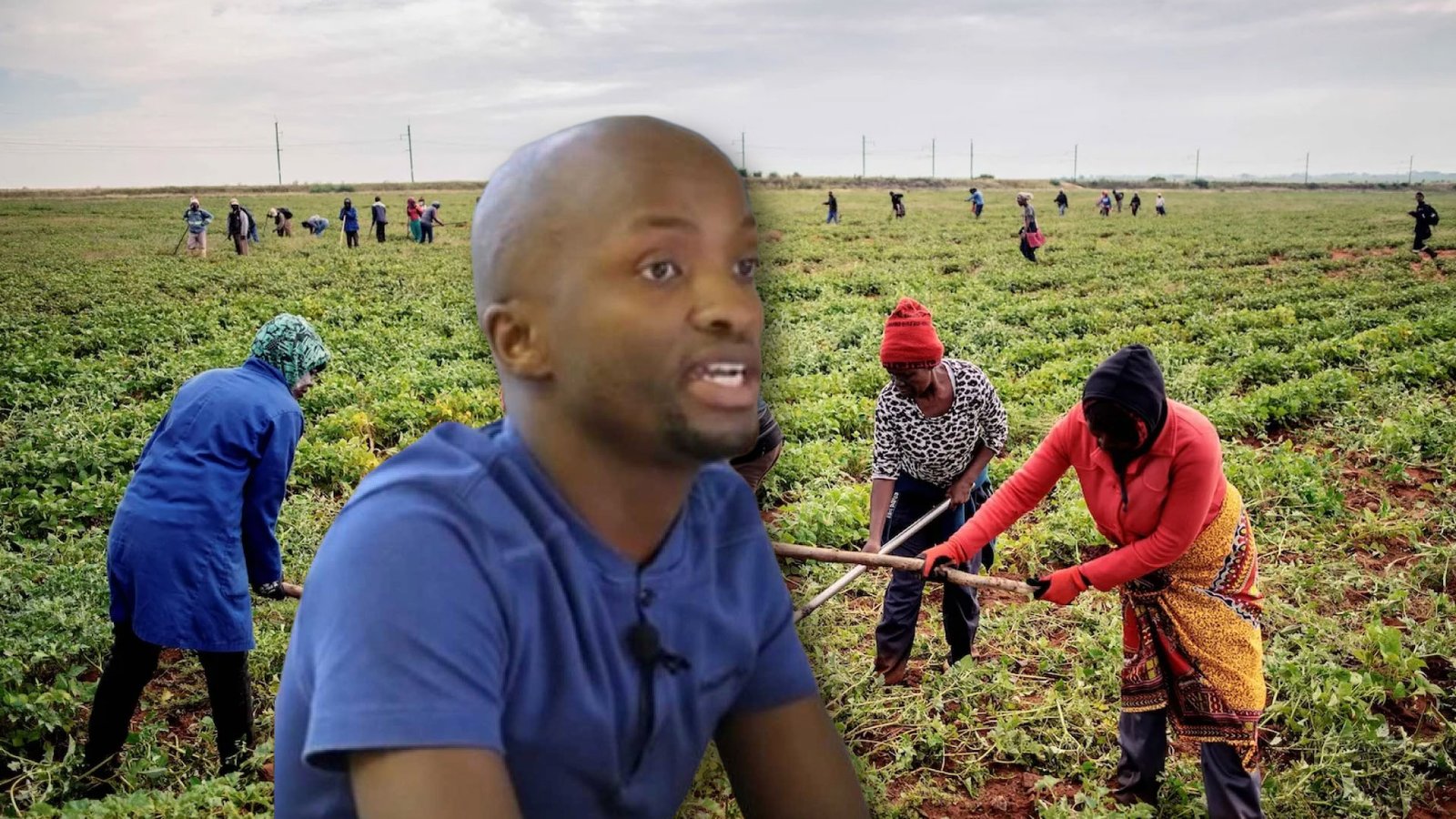
Despite efforts to reshape land ownership since 1994, South Africa’s land reform program has only redistributed 11% of the 86 million hectares of farmland. The average land redistributed has decreased significantly, with both redistribution and restitution issues hovering below 100,000 hectares per year as of the 2024/25 fiscal year, a steep drop from over 938,000 hectares during the mid-2000s.
The backlog in land restitution claims, including those lodged as far back as 1998, exacerbates the situation. With significant claims from 2014 to 2016 still unaddressed, the urgency for swift land redistribution has never been clearer. Current research by Plaas indicates that for many disadvantaged individuals, land occupations have emerged as their primary means of accessing land and housing, underscoring the failures of existing programs.
Effective Strategies for Land Reform
1. Restitution with Redistribution Elements
One critical takeaway from the Colombian conference is the need for South Africa to implement restitution programs alongside redistribution initiatives. In Colombia, individuals displaced from their ancestral lands can access government-acquired land elsewhere, facilitating their entry into the agricultural sector.
This approach allows those with historical grievances to obtain land that’s most suitable for their needs. The Presidential Advisory Panel on Agriculture and Land Reform in South Africa has recommended similar measures, emphasizing that gathering data on individuals willing to accept alternative land options could accelerate the land acquisition process.
2. Willingness to Subdivide Farms
A second lesson involves the need to subdivide farms where applicable. During academic visits, it was observed that mixed farming operations on a single farm promoted autonomy and productivity among families. Each section of the farm was utilized differently, enabling households to decide how to grow their food while also supplying commercial markets.
This collaborative model bolsters household food security and rejuvenates local economies, as farmers can sell directly to urban consumers, bypassing exploitative corporate chains. Additionally, government-supported procurement can further assist land reform beneficiaries in overcoming market access challenges.
3. Land Expropriation as an Essential Tool
Land delivery in South Africa has been sluggish, primarily due to a declining reform budget that hinders further land acquisition. Expropriation for land reform purposes should be actively utilized, especially where individuals have occupied land without beneficial use to the owner.
The South African government has various land acquisition methods, including purchases and donations. In Colombia, the government consistently expropriates land for redistribution to the landless, a model South Africa could adopt. The focus must remain on prioritizing the needs of the most disadvantaged communities to facilitate better land access and tenure security.
4. Demonstrating Political Will and Resource Allocation
A significant critique of South Africa’s land reform initiatives is the absence of a comprehensive pro-poor strategy and the political determination to fulfill constitutional obligations related to equitable land access. The conference emphasized the importance of showcasing political will through proactive investments and policy shifts focusing on the social and ecological value of land.
A landmark initiative like the anticipated Equitable Access to Land Bill could clarify prioritization for land beneficiaries, with particular emphasis on the poorest and most landless sectors. Adopting this inclusive approach to land reform will be pivotal in improving equitable land access and ultimately transforming the agricultural landscape.
- For further insights, explore related articles on effective agricultural policies and land reform strategies.
Explore more about innovative agricultural developments in South Africa.
