

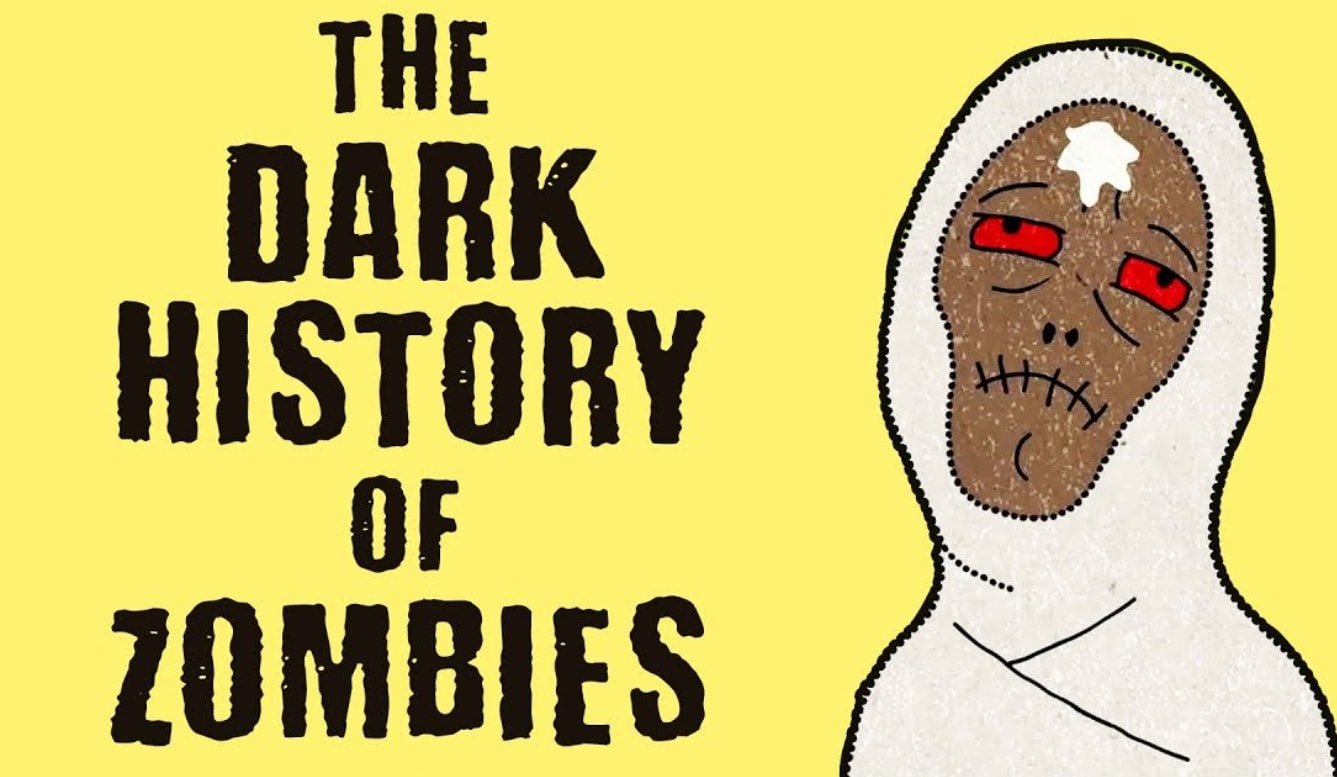
The Origins and Evolution of Zombie Mythology: From Africa to Pop Culture
The concept of animated corpses, commonly known as zombies, has fascinated and terrified audiences across cultures and throughout history. This chilling narrative, steeped in cultural beliefs and historical contexts, traces its roots back to Equatorial and Central Africa.
The Etymology of "Zombie"
Understanding the origins of the word "zombie" provides insight into its African heritage. While the exact linguistic roots remain ambiguous, several terms hint at its meaning. For example, the Mitsogho people from Gabon use "ndzumbi," which translates to "corpse." In Kikongo, "nzambi" refers to a supreme being or ancestor with supernatural bequests. Additionally, in various Angolan and Congolese languages, "zumbi" signifies a spirit-infused object or a being that has returned from death.
These words reflect cultural beliefs prevalent in African traditions. In Kongo folklore, for instance, it is believed that the spirit of a deceased individual can inhabit physical objects. This belief forms the foundation for understanding how the zombie concept has evolved within African societies.
The Impact of the Transatlantic Slave Trade
The transatlantic slave trade was a pivotal event that disseminated African cultural beliefs to the Caribbean. One notable location was Hispaniola, which is present-day Haiti and the Dominican Republic. In this melting pot of cultural exchange, the religious practices of enslaved Africans merged with Catholic traditions, forming the syncretic religion known as Vodou.
Within Vodou, the concept of zombies took on new significance. Some interpretations suggest that a person’s soul can be captured, rendering them a body-less "zombi." Alternatively, if proper funeral rites are overlooked, a sorcerer known as a "bokor" could reanimate the deceased, turning them into soulless beings under their control. These portrayals illustrated the horrors of enslavement, as zombies became symbols of laborers stripped of their autonomy.
Zombies as Victims in Haitian Culture
In Haitian culture, zombies are perceived not just as malevolent beings but as victims deserving empathy. The zombification process symbolizes the ultimate form of subjugation, as it deprives individuals of their rightful afterlife and continues their enslavement. This perspective invites a more compassionate understanding of these figures, transforming them from merely monstrous entities into poignant symbols.
Transformation through Colonialism and American Cinema
The narrative surrounding zombies underwent a significant shift with the influence of American colonialism and imperialism, particularly during the US occupation of Haiti in 1915. Western portrayals of Haitian culture often perpetuated racial stereotypes and sensationalism, shaping the lens through which audiences viewed Vodou practices and supernatural phenomena.
These distorted representations resonated in Western pop culture, leading to the rise of zombie-themed narratives in American films like White Zombie (1932). Set against the backdrop of Haiti, the movie depicted zombies as oppressed laborers manipulated by evil voodoo practitioners.
However, it was George A. Romero’s groundbreaking film Night of the Living Dead (1968) that redefined zombie mythology. Here, zombies emerged as mindless, flesh-eating monsters, stripped of human consciousness and agency. This portrayal set the stage for subsequent films, with The Return of the Living Dead (1985) introducing the idea of zombies craving human brains, while 28 Days Later (2002) popularized the contagion aspect of zombification.
Zombies as Cultural Metaphors
Despite the evolution of the zombie mythos, it remains a powerful metaphor for societal fears and cultural critique. From consumerism to existential dread, creators worldwide leverage the zombie narrative as a means to explore pressing contemporary issues.
Reclaiming African Origins
It is crucial to recognize the erasure of the rich African heritage of the zombies within American pop culture. Initial portrayals appropriated and distorted their true significance, overshadowing the profound cultural and historical narratives from which this mythos originated. By reclaiming and reframing these stories, we can honor the cultural legacy while acknowledging its enduring relevance in today’s discussions about identity and humanity.
In conclusion, the journey of the zombie myth, from its African roots through the transatlantic slave trade to modern reinterpretations, reflects a complex interplay of cultural beliefs, societal change, and artistic expression. Understanding this evolution enriches our appreciation for zombies as not just horror figures, but as intricate symbols within our cultural landscape.
