

Strengthening Democracy and Economic Growth in Nigeria: Insights from Goodluck Jonathan
Former President Goodluck Jonathan has raised poignant questions regarding the link between democracy and economic prosperity in Africa. His remarks highlight a crucial discussion on whether democratic governance is indeed the best path to economic advancement, especially when contrasted with nations that have thrived without it.
The Current State of Democracy in Africa
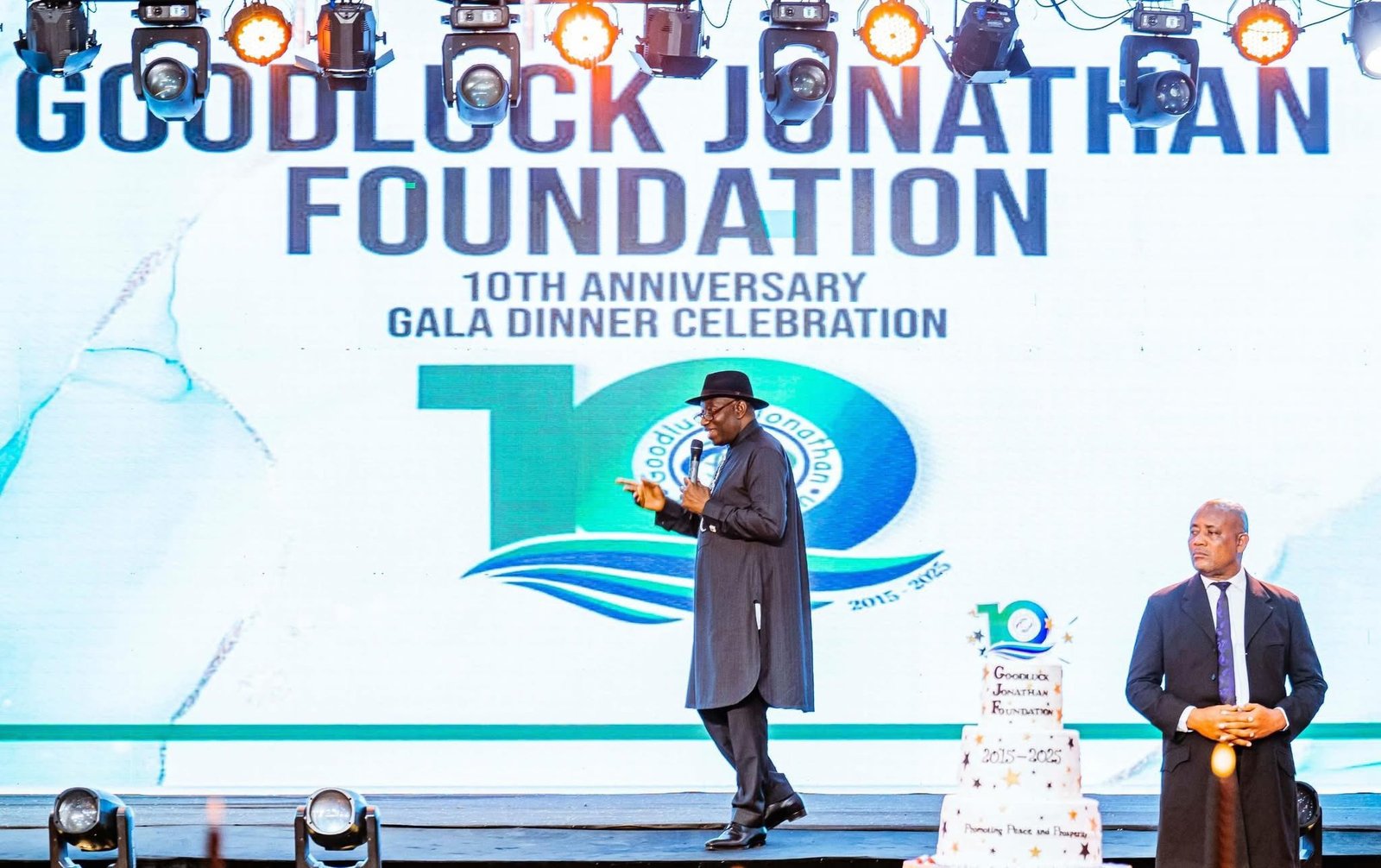
At the recent tenth anniversary of the Goodluck Jonathan Foundation, Jonathan emphasized that current global challenges, such as economic hardship and social unrest, are putting democracy under strain. In Africa, these challenges manifest as contested elections and rising instability, impacting the effectiveness of democratic governance.
The Assumption of Growth through Democracy
"For too long, the relationship between democracy and economic growth has been assumed," Jonathan stated. He questions the validity of this assumption, particularly when observing countries like the United Arab Emirates and China, which have achieved substantial economic success without democratic frameworks. This provokes a deeper inquiry: Can democracy truly drive economic growth more effectively than authoritarian regimes?
The Vision for Effective Governance
Jonathan believes that democracy, when functioning at its best, should embody accountability, inclusion, and opportunity—fostering an environment where innovation can thrive. However, the former president warns that failing democracies risk losing legitimacy if they cannot deliver tangible economic benefits.
Key Challenges and Opportunities
Jonathan’s analysis of Nigeria reveals both challenges and opportunities for the nation’s path forward. While Nigerian democracy has shown resilience, he stresses that endurance is not enough. Effective economic policies are necessary to ensure that democracy not only survives but thrives.
- Creating a Synergy: There is a critical need for coherence between democratic processes and sound economic policies. Jonathan argues that a robust democracy should create conditions ripe for economic growth, which in turn should help deepen democratic values.
A Call to Action for Nigeria’s Policymakers
The findings from Jonathan’s report serve as a call to re-evaluate existing assumptions about governance and economic policies. He urges policymakers, civil society, and the private sector to act urgently, with a commitment to harnessing the insights provided in the report.
Building a Sustainable Future
In closing, Jonathan asserts that the historical judgment of any nation will be based on outcomes, not just systems. He emphasizes the need to collaborate towards a Nigeria where democracy translates into real opportunities, prosperity, and justice for all citizens.
By fostering strong institutions and ensuring democratic accountability, Nigeria can work toward a future where economic growth and democratic governance reinforce each other, ultimately leading to a more prosperous society.
For further insights into this dynamic relationship between democracy and economic growth, consider exploring resources on economic development, democratic governance, and Nigerian political history.
This approach outlines an engaging article that not only discusses insights from Jonathan but is also optimized for search engines through strategic keyword placement and internal linking.
