

Rethinking African Knowledge Systems: A Call for Decolonisation in Arts Management
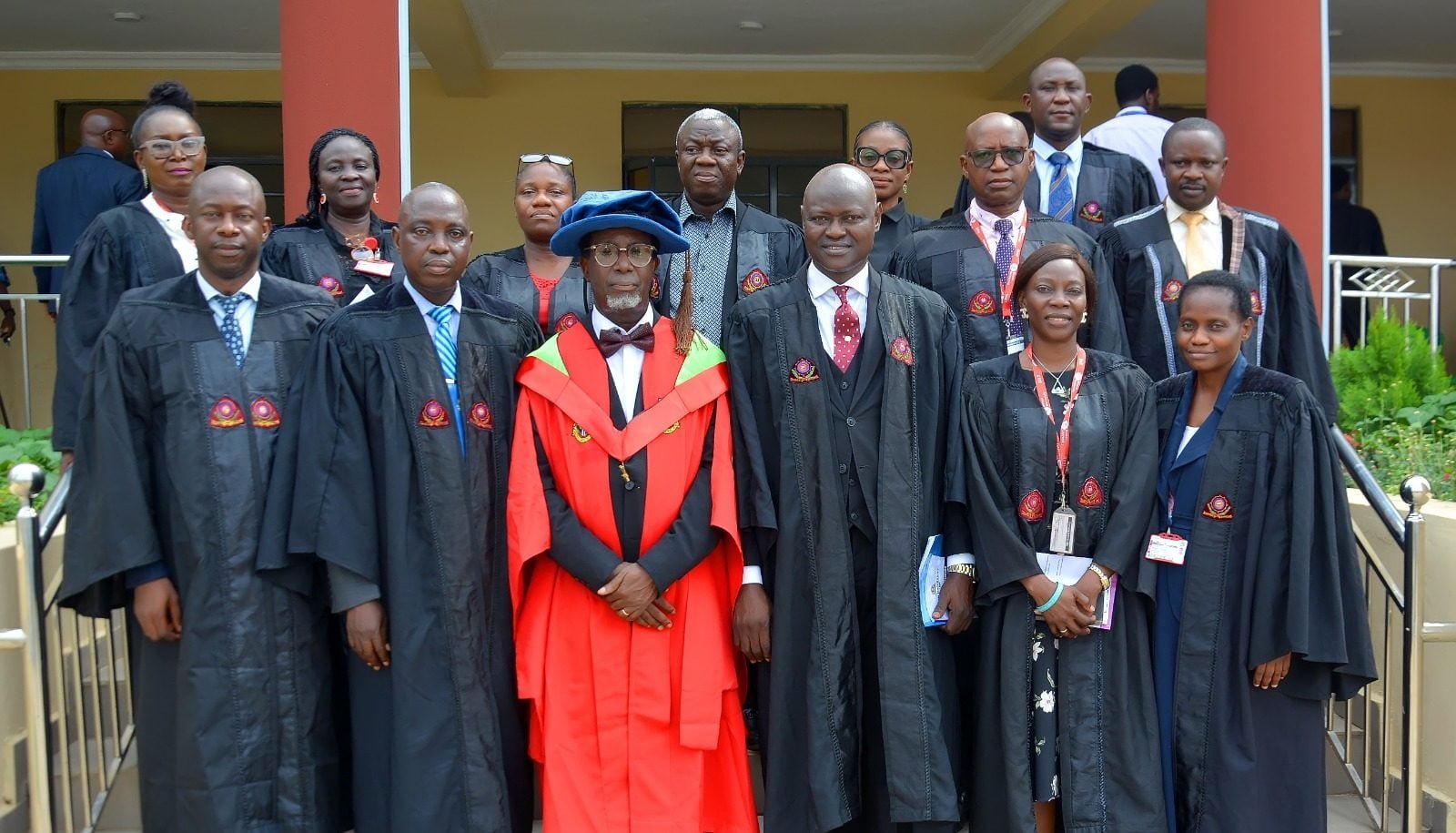
Professor Stanley Timeyin Ohenhen Delivers Inaugural Lecture at Bowen University
In a compelling presentation, Professor Stanley Timeyin Ohenhen of Bowen University, Iwo, Osun State, recently delivered the institution’s 27th inaugural lecture. The lecture, entitled "Decolonising African Creative Epistemes: A Case for Professional Arts Management, Cultural Innovation, the Culture-Science Nexus, and Sustainable Futures," urged a critical reassessment of African knowledge systems and their significance in addressing contemporary issues.
The Importance of Indigenous Knowledge
At the core of Professor Ohenhen’s discourse was the vital role that indigenous African knowledge plays in modern society. He emphasized that the creative epistemes embedded in various art forms, including performance cultures, oral traditions, and cultural practices, are not relics of the past but dynamic systems that can contribute to contemporary development.
The Scientific Value of Arts and Culture
Ohenhen insisted that African arts and culture transcend mere entertainment; they embody productive knowledge systems with substantial scientific and developmental value. He articulated that elements such as music, theatre, festivals, and literature can provide critical insights to shape development discourses across the continent.
The Need for a Mindset Shift
The professor articulated that the decolonisation process requires a mindset transformation, extending beyond mere political independence. It necessitates a liberation from dominant external thought models. He called for a strategic repositioning of African cultural resources as instruments for innovation, education, and sustainable development.
Policy Recommendations for Strengthening Arts and Culture
Ohenhen urged government and policymakers to move from rhetoric to action by recognizing the arts and culture sector as a crucial component of national development strategies. Key recommendations include:
- Integration of Cultural Industries: Incorporating arts and cultural industries into economic planning to boost innovation, job creation, and growth.
- Professionalisation of Arts Management: Emphasizing the necessity for investment in training and capacity building, ensuring the sector is structured and equipped with expertise.
- Strengthening Research: Enhancing the documentation and research of indigenous knowledge systems and exploring their intersections with science and technology.
The Role of Cultural Industries in Decolonisation
Ohenhen reiterated that cultural and creative industries are pivotal in shaping identities and knowledge frameworks. He outlined three primary avenues for leveraging these industries for decolonisation:
-
Reclaiming African Narratives: Utilizing artistic expressions such as films, literature, and theatre to reshape African narratives for epistemic decolonisation.
-
Fostering Innovation: Merging traditional knowledge with modern technologies to create entrepreneurship opportunities, including the digitization of traditional performances.
- Economic Empowerment: Generating employment opportunities in the arts and creative sectors as a strategy for alleviating youth unemployment.
A Vision for the Future
Professor Ohenhen made it clear that delivering the inaugural lecture signifies more than just an academic milestone; it is a declaration of intent to turn theory into practice. His future plans include:
- Actionable Frameworks: Developing the concepts presented into operational tools for development, including publishable monographs, policy briefs, and collaborative studies.
- Advocacy for Professionalisation: Strengthening educational curriculum around arts management and mentoring the next generation of scholars and practitioners.
- Establishing a Centre for African Creative Epistemes: Creating a model for cultural innovation and research that bridges tradition and modernity.
Collaborative Efforts and Institutional Support
Ohenhen emphasized the importance of partnerships across academia, government, and the creative arts sector to establish a hub for cultural innovation. He aims to create a supportive environment for indigenous knowledge systems to thrive.
Endorsements and Future Aspirations
In his remarks, Deputy Vice Chancellor Professor Tunde Lawal hailed the significance of the inaugural lecture for advancing theatre management and arts administration in Africa. He noted that Bowen University is committed to equipping its growing student population, now at 7,000, with the necessary skills for national development without foreign dependency.
As African societies navigate the complexities of modernisation, Professor Ohenhen’s insights illuminate the path toward harnessing indigenous knowledge as a cornerstone for sustainable development. This visionary approach not only aspires to decolonise African epistemes but also seeks to pave the way for an empowered and innovative future.
By fostering a deeper understanding of the synergy between culture and science, we can indeed create sustainable futures for African communities.
