

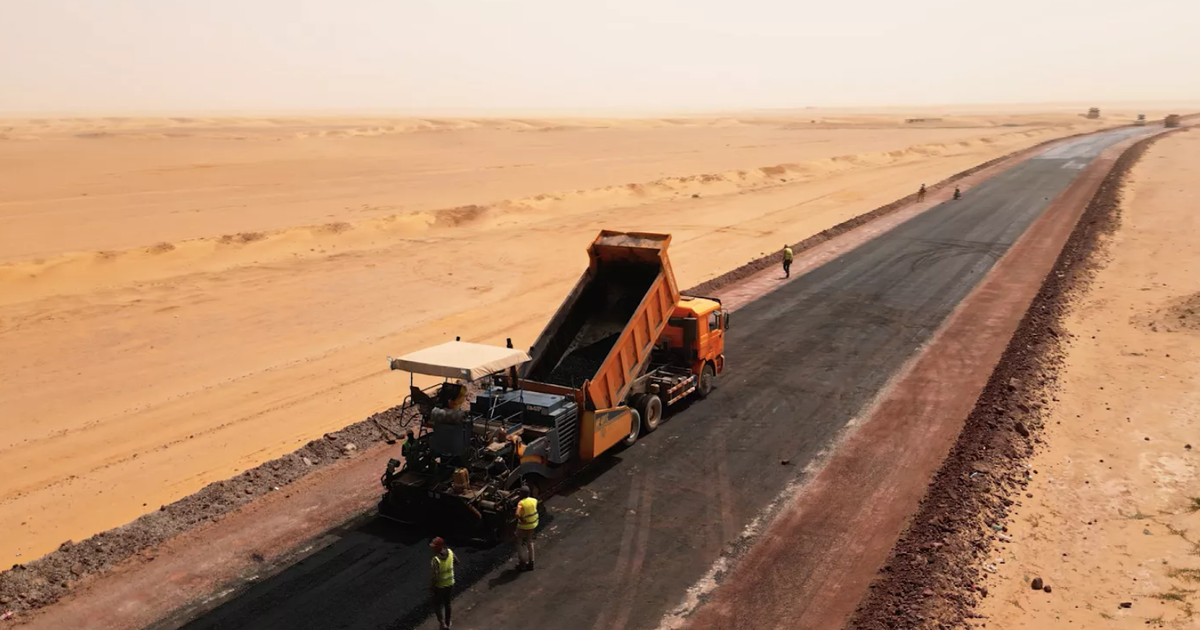
Tunisia Launches Trade Corridor to Enhance Regional Connectivity
Tunisian Minister of Trade Samir Abid has officially announced a groundbreaking project aimed at connecting the Ras Jedir border crossing with Libya to vital inland trade routes that reach as far as Niger, Mali, Burkina Faso, Chad, and the Central African Republic. This initiative is a significant step toward enhancing regional trade and promoting economic integration across Africa.
Enhancing Trade Efficiency
During the Tunisia-Niger Business Forum, Abid emphasized the corridor’s potential. He stated that it will “reduce the cost and time of export operations, ease logistics and transport challenges, and strengthen African economic integration.” By simplifying trading processes, this corridor aspires to become a catalyst for economic growth among participating nations.
Trade Push Under the AfCFTA
This initiative aligns with Tunisia’s broader strategy to amplify its economic ties with sub-Saharan Africa under the African Continental Free Trade Area (AfCFTA). The corridor is not just a transport route; it embodies Tunisia’s ambition to deepen its trade relationships and active engagement in the continent’s economic landscape.
Abid highlighted Tunisia’s achievements under the AfCFTA’s Guided Trade Initiative, noting nearly 400 export operations to African markets. These operations span vital sectors, including mechanical and electrical components, textiles, and agri-food products, demonstrating Tunisia’s industrial capacity.
Addressing Trade Limitations with Niger
Despite Tunisia’s progress, trade with Niger remains limited, with officials from both countries acknowledging the modest bilateral trade volumes. This reflects significant untapped potential, especially considering Niger’s growing market demand and Tunisia’s robust industrial base. Both nations agree that structuring trade flows, diversifying exports, promoting industrial partnerships, and facilitating investments are critical steps to leverage this potential.
Strategic Ambition Amid Challenges
Tunisia’s corridor aligns with regional shifts, particularly the rise of the Alliance of Sahel States, as countries in the region seek to diversify trade partners. The corridor presents an opportunity for a shorter overland route to the Mediterranean, reducing reliance on coastal West African ports and potentially cutting delivery times from two to three weeks.
However, the project is not without hurdles. Security concerns across southern Libya and parts of the Sahel, alongside existing infrastructure gaps, may necessitate substantial investments—potentially in the billions—to upgrade roads, logistics systems, and border facilities. Addressing these challenges will be crucial for the corridor’s success.
If effective implementation occurs, this trade corridor could significantly reduce transport costs, enhancing intra-African trade. Notably, intra-African trade currently comprises only about 15% of the total African trade. Positioning Tunisia as a vital node in the continent’s evolving trade network could have far-reaching impacts.
The Sahel region presents significant growth opportunities, particularly as countries seek alternative trade routes amid shifting regional alliances.
For more information about the African Continental Free Trade Area, you can visit AfCFTA to explore its impact on regional trade initiatives.
In conclusion, the Tunisia-Libya corridor represents a vital step toward improved regional interconnectedness. By addressing barriers and fostering partnerships, Tunisia aims to transform its economic landscape while contributing to the continent’s broader integration efforts.
