

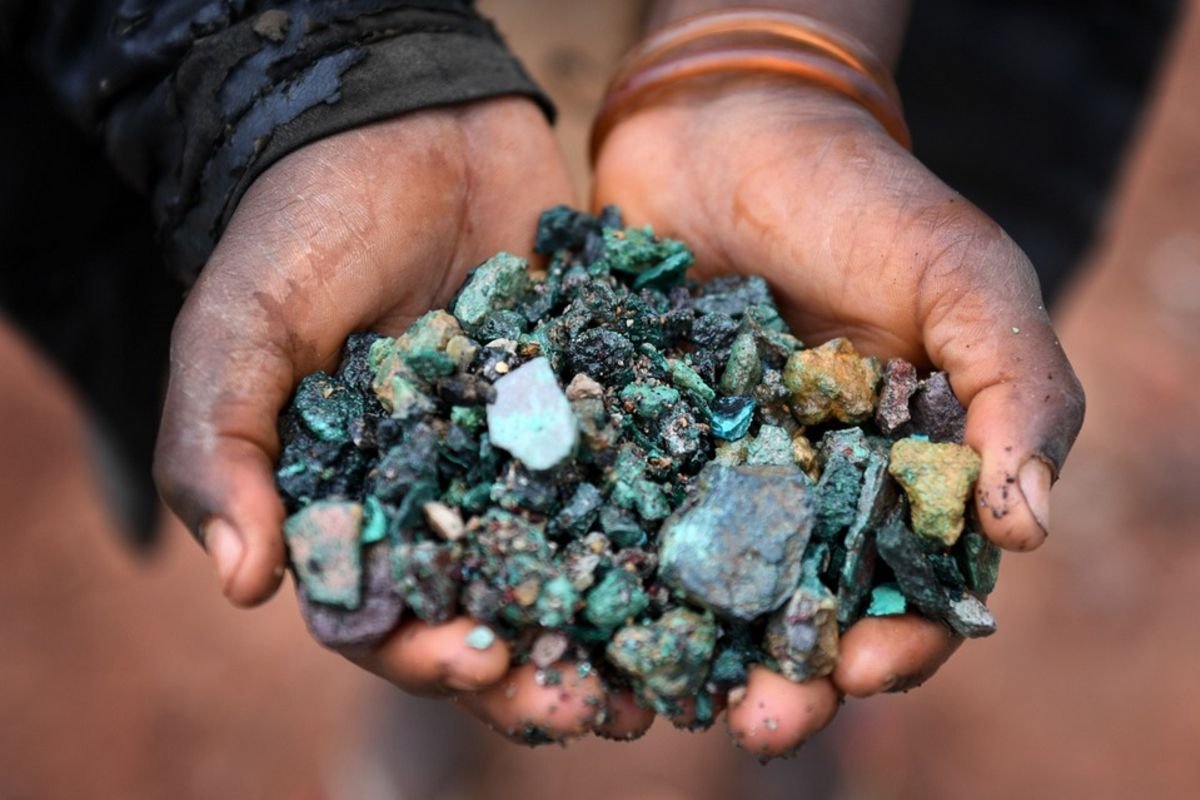
Unlocking Africa’s Mineral Wealth: The Path to Power and Industrialization
In 2024, Africa embarked on a transformative journey with the Africa Green Minerals Strategy, a pivotal initiative aimed at shifting the continent’s focus from mere extraction to enhanced value creation. This strategy marks a significant milestone in Africa’s development narrative, promoting sustainable industrial growth and energy use.
Pillar 3: Building Key Value Chains
Central to this ambitious vision is Pillar 3, which emphasizes local beneficiation and the integration of green technology into manufacturing. The strategy seeks to amend the long-standing practice of exporting raw minerals while importing finished goods at a significantly higher cost. The goal is to domestically process essential materials, such as lithium for batteries, cobalt for clean technologies, and graphite for the digital economy.
Addressing the Energy Challenge
Despite its wealth of natural resources, Africa faces a pressing question: How can the continent benefit from its minerals without adequate power? The reality is stark—approximately 600 million Africans, constituting about 43% of the population, live without access to electricity. The continent is home to more than 80% of the global population without power, further illustrating the industrial challenges ahead.
Beneficiation—the process of converting raw materials into valuable products—requires substantial energy, heat, and a stable infrastructure. Current data reveal that firms across many African countries face considerable losses, up to 15% of sales value, due to power outages, compelling them to invest billions in diesel generators. Comparatively, per capita electricity consumption in some regions remains as low as 180 kWh, starkly contrasting with 6,000 to 13,000 kWh levels in developed nations.
The Importance of Infrastructure
While the Africa Green Minerals Strategy is commendable, successful implementation hinges on the integration of energy infrastructure. Despite Africa’s rich resource base, the continent produces only about 5.7% of global energy and attracts roughly 2% of global clean energy investment. This disparity hampers the industrial prospects of mineral-rich areas, where resources exit but value remains stagnant.
Rethinking Energy Transition
In the broader discourse, energy transitions are often viewed as uniform, yet Africa’s reality is distinct. For many countries on the continent, access to affordable energy is crucial for the functionality of industries and job creation, alongside decarbonization efforts. Natural gas, for instance, serves as an essential component, providing stable power while complementing renewable sources.
Presently, over 55% of Africa’s energy consumption is derived from renewables, showcasing the continent’s long-term potential. However, without necessary infrastructural advancements such as energy storage and grid stability, large-scale mineral processing remains a daunting challenge.
Integrating Energy Infrastructure with Industrial Goals
The effectiveness of beneficiation as a practical strategy hinges on a coordinated approach to energy infrastructure development. Prioritizing energy systems alongside mineral corridors, and creating industrial zones with reliable power supply is critical.
Mining operations should be encouraged to develop embedded generation solutions, ensuring a steady power source. Policy alignment across mining, energy, and industrial sectors is essential for cohesive growth. Without a reliable energy framework, the establishment of beneficial value chains is virtually impossible.
A Call to Action
The transition for Africa must be determined on its own terms while remaining appealing to investors and partners. Investment is crucial where power availability is uncertain; technological advancements can’t flourish within fragile systems; and vibrant industrialization can’t take root in an energy-deprived environment.
For nations like Tanzania—rich in natural gas and other resources—this juncture presents both challenges and opportunities. With substantial mineral prospects emerging, particularly in graphite, strategic leadership centered on investing in energy infrastructure is imperative.
Conclusion: Transforming Wealth into Value
Africa’s mineral wealth is indisputable, but the real challenge lies in realizing that wealth. The Africa Green Minerals Strategy envisions a transition from extractive practices to a robust industrial base, emphasizing domestically driven value creation.
However, this vision requires more than aspirations; it needs a grounded reality where beneficiation is feasible. Ultimately, Africa must acknowledge that it cannot harness its mineral wealth without a reliable and robust power supply.
By addressing these energy challenges, Africa can harness its vast mineral resources and claim its place in the global energy transition. The path from extraction to industrial strength is not only possible but essential for the continent’s sustainable development.
For more insights into Africa’s energy potential and industrial strategy, visit relevant resources on renewable energy and mineral markets for comprehensive data.
