

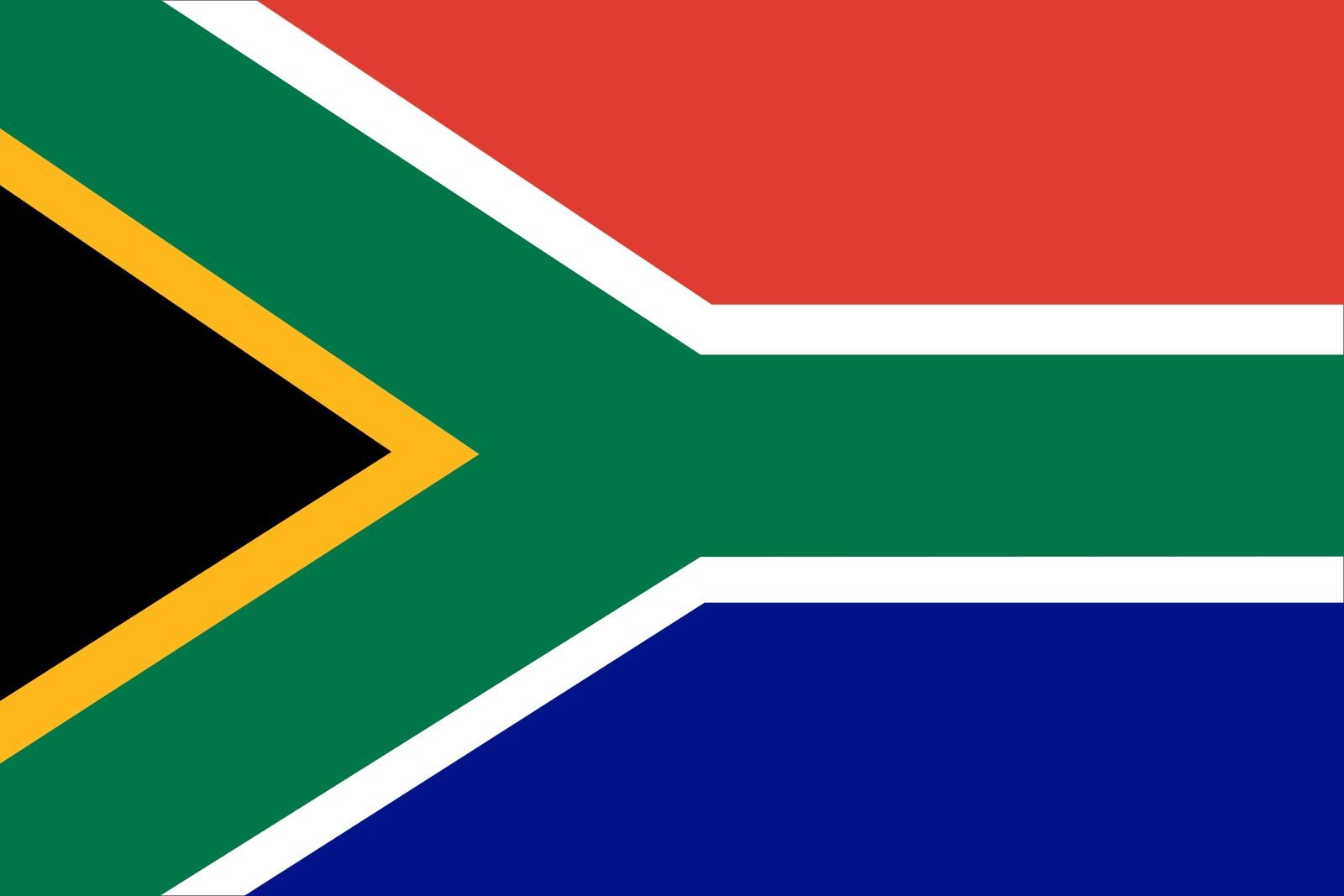
Understanding the Economic Development of South Africa
South Africa’s economic landscape transformed dramatically in the late 19th century following discoveries of diamonds and gold. This led to a surge of foreign investment, marking the initial stages of a diverse and dynamic economy. Over the decades, the country established a robust manufacturing sector and experienced fluctuating growth rates, at times reaching some of the highest levels globally. However, post-1970s challenges emerged, particularly due to international backlash against the apartheid system, which resulted in a withdrawal of foreign investments and an imposition of significant trade sanctions.
The End of Apartheid and Economic Challenges
As apartheid began to dismantle in the early 1990s, South Africa’s economy struggled to make an immediate recovery. Investors hesitated, waiting to gauge the political landscape. It wasn’t until the historic democratic elections of 1994 that substantial foreign investment resumed. The new government faced the complex task of integrating a large disenfranchised majority into the economy while targeting social inequities. In 1996, the government introduced the Growth, Employment, and Redistribution (GEAR) strategy, which emphasized privatization and the relaxation of exchange controls. While GEAR achieved moderate success, it also laid a fundamental groundwork for future economic initiatives.
Black Economic Empowerment Initiatives
The post-apartheid era necessitated the introduction of comprehensive programs aimed at uplifting historically marginalized communities. The Black Economic Empowerment (BEE) strategy aimed at promoting employment, enhancing skill development, and improving income prospects for individuals classified as Black, Coloured, or Indian during the apartheid regime. This transformed into the Broad-Based Black Economic Empowerment (BBBEE) Act of 2003, which broadened the scope to include gender and social inequalities alongside racial disparities.
The Structure of the Economy
South Africa’s economy is predominantly driven by private enterprise, yet the government actively participates through various initiatives. Established during the apartheid era, the Industrial Development Corporation played a crucial role in managing public corporations focused on industrial infrastructure. Major firms, such as the primary producers of iron and steel, transitioned to private ownership during the 1980s. While the Electricity Supply Commission (ESKOM) remains state-run, many formerly public sectors have been restructured, including Transnet, the authority overseeing railways and harbors. The government has gradually pursued privatization in sectors like airlines and telecommunications, despite opposition from labor unions.
Economic Policy and Growth Challenges
The government’s economic policy aims to foster growth and attain a level of industrial self-sufficiency. Nonetheless, the economy has faced several hurdles, notably high inflation rates and dwindling investments. Even after the end of apartheid, trade sanctions continued to intensify these economic difficulties. The reliance on imports further fueled inflationary pressures while constraining the government’s ability to fulfill essential social needs. Ongoing debates centered on striking a balance between market forces and state intervention, with some advocating for an export-driven industrial approach.
The Role of the African National Congress
Since coming to power in 1994, the African National Congress (ANC) has historically championed a state-led mixed economy anchored in nationalized mining and financial operations. However, in practice, it has focused on privatizing a significant number of previously state-owned assets. The government grapples with the critical challenge of improving the living conditions of the impoverished population while balancing economic liberalization pressures from both domestic and international stakeholders. As a result, fostering business confidence and stimulating investment have become cornerstones of current economic strategies.
Agriculture, Forestry, and Fishing: An Overview
Agriculture is vital to South Africa’s economic framework, contributing significantly to both exports and domestic employment, despite generally poor land and water resources. Arable land makes up just over one-tenth of the country’s total area, with the most fertile soils predominantly located in areas like the Western Cape and KwaZulu-Natal. Regions such as the Highveld and Free State have historically been productive for cereal cultivation, benefiting from extensive government support directed towards white farmers. Some previously dry areas have become fruitful through irrigation initiatives, particularly projects like the Orange River Project, which significantly expand agricultural land.
Key Agricultural Produce
Major crops cultivated in South Africa include corn (maize), wheat, sugarcane, sorghum, peanuts, and various fruits. Livestock farming is prevalent, with sheep, goats, cattle, and pigs raised for meat, wool, dairy, and eggs, especially around urban centers. Additionally, timber resources, while limited, have been bolstered by plantations in the wetter eastern regions, supporting mining timber and the manufacturing of paper products.
Fishing Sector
South Africa’s fishing industry is primarily concentrated off the western and southern coasts, with main catches including pilchards and kingklip, among other species. The diverse fishing zones contribute to the country’s economic fabric and sustain livelihoods in coastal communities.
