

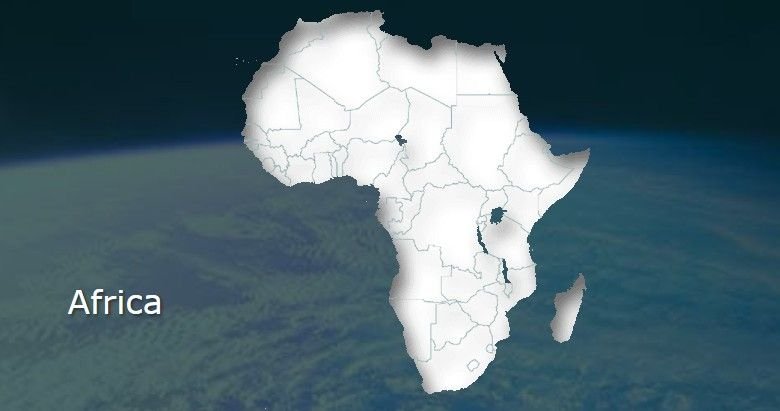
A Call to Rethink Environmental Conservation in Africa
DAR ES SALAAM: Scholars and researchers from Africa and around the globe are advocating for a renewed, Africa-centric approach to environmental conservation. They emphasize the necessity of reclaiming local voices, knowledge systems, and priorities to secure a sustainable future for the continent.
The Importance of Local Perspectives
This important discussion took place at a recent conservation symposium hosted by the University of Dar es Salaam (UDSM) through its College of Social Sciences. The event united experts under the theme: “Reclaiming Narrative, Agency, and Resources in African Environmental Stewardship.” As UDSM Deputy Vice-Chancellor for Research, Prof. Nelson Boniface, noted in his opening speech, the conference aims to address Tanzania’s conservation agenda amid global environmental challenges.
“We organized this conference to discuss conservation broadly and reflect on our country’s trajectory,” Prof. Boniface stated. He highlighted how global conversations surrounding minerals, climate change, and energy use place pressure on Tanzania’s natural resources.
Aligning with Global and Local Goals
Prof. Boniface pointed out that the discussions align with national initiatives such as Tanzania’s Development Vision 2050 and the African Union’s Agenda 2063, as well as global Sustainable Development Goals, all of which emphasize environmental sustainability. He showcased UDSM’s initiatives, including efforts to protect indigenous trees and monitor wildlife using modern technology.
These actions not only reflect the university’s commitment but also illustrate why global institutions are eager to collaborate with UDSM. “This platform brings together policymakers and researchers to craft policy briefs that prioritize real-world issues affecting Tanzania and Africa,” he added.
Reclaiming Agency in Conservation
Prof. Maano Ramutsindela from the University of Cape Town and University of Pretoria urged a reclaiming of agency among Africans in defining conservation. He stated, “We must rise to the challenge to express our voices and define what conservation means for us, from villages to cities across the continent.”
He stressed the importance of returning to indigenous knowledge systems while also embracing modern technologies. “Adopting foreign frameworks that don’t align with African realities is a detriment to our efforts,” he warned.
Grounding Efforts in Local Knowledge
Prof. Christiane Noe, Principal of UDSM’s College of Social Sciences, highlighted the importance of grounding conservation efforts in local realities. “We must analyze the sources of our knowledge. If it doesn’t originate from our context, conservation efforts may inherently falter,” she stated. She cautioned against an over-reliance on external funding that can skew local priorities.
Bridging Gaps in Resource Ownership
Dr. Getachew Hailu, an Ethiopian scholar from Jimma University and Woldia University, pointed out Africa’s wealth in resources, juxtaposed with gaps in ownership and coordination. He acknowledged the continent’s abundance of human capital and land but lamented the lack of effective conservation strategies.
“We struggle with a lack of self-awareness. Reconnecting with our identity is essential. Furthermore, we are not vocal enough on global platforms,” he remarked, advocating for stronger continental collaboration.
Pillars for Advancing Conservation
Prof. Emmanuel Sulle from Aga Khan University proposed three essential pillars for advancing conservation: education, financing, and accountability. “Education must reflect African realities, merging indigenous knowledge with modern science,” he emphasized. “Conservation should not only focus on wildlife and plants; human beings must be at the center of discussions.”
He underscored the necessity for accountability mechanisms to convert resolutions into substantial change. “Real progress hinges on citizens understanding their role and demanding accountability from leaders,” he said.
A Shared Vision for a Sustainable Future
In conclusion, Prof. Sulle asserted that Africa must redefine conservation through inclusive dialogue, locally grounded knowledge, and collective action. Empowering communities and ensuring their voices shape policies will be crucial in safeguarding the continent’s environmental future.
As the symposium underscored, a renewed focus on local knowledge systems not only fosters sustainable practices but also reclaims African identities in the global environmental narrative. The collective call from experts invites all stakeholders—policymakers, researchers, and communities—to come together in a bid to envision a sustainable future for Africa.
For more insights on environmental stewardship, explore the African Union’s Agenda 2063 and local conservation initiatives.
