

Optimism for Food Inflation in South Africa Amid Challenges
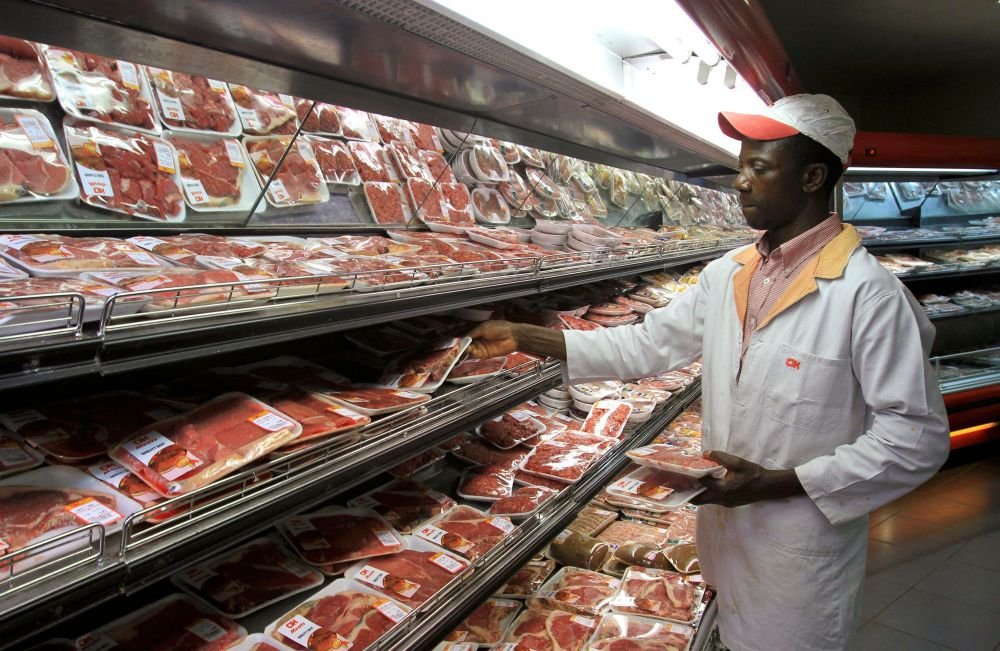
The Agricultural Business Chamber of South Africa (Agbiz) expresses cautious optimism regarding food inflation for 2026, despite ongoing challenges such as Foot and Mouth Disease (FMD) and various animal health issues. Chief economist Wandile Sihlobo highlighted the resilience of the cattle and pig industries amid these pressures, indicating that the rates of meat slaughter remain stable.
Current Challenges in the Agricultural Sector
The South African agricultural sector continues to grapple with FMD affecting cattle and African swine fever impacting pigs. These diseases have raised concerns about the trajectory of consumer food price inflation. However, Sihlobo reassures that meat prices are unlikely to spike dramatically. Recent data indicates a robust slaughter rate, with pig slaughter reaching 331,453 in December 2025, marking an 11% increase from November 2025 and a 2.9% rise compared to December 2024.
Cattle and Pig Slaughter Insights
Annual cumulative slaughter statistics show 3,849,684 pigs slaughtered by December 2025, registering a 0.4% reduction relative to the previous year. Cattle slaughter saw a slight decline, down by roughly 5% from 2024 due to intensified FMD outbreaks. This context reinforces that while challenges exist, the supply of meat remains relatively stable.
Impact of Disease Outbreaks on Pricing
The spread of FMD often leads to temporary export bans, which can actually increase domestic supply and result in lower consumer prices. However, the surge in meat prices observed last year can largely be attributed to panic buying initiated by retailers, rather than an actual product shortage. Despite this, consumer demand still plays a significant role in fluctuating meat prices.
Another noteworthy issue was the temporary ban on poultry imports from Brazil due to an avian influenza outbreak, which contributed to rising poultry prices. Although imports resumed, the industry’s reliance on Brazilian poultry supplies underlines the interconnected nature of global agricultural markets.
Future Projections for Food Inflation
Looking ahead, Agbiz predicts a moderation in South Africa’s consumer food price inflation in 2026, attributing this to lower grain, fruit, and vegetable prices bolstered by strong domestic and global supplies. The 2024-25 summer grains and oilseed harvest is estimated at 20.08 million tonnes, a substantial increase of 30% year-on-year. Favorable conditions are likely to continue into the current production season, with forecasts estimating 19.82 million tonnes for the 2025-26 season.
Impacts of Recent Weather Events
Recent flooding in Limpopo and Mpumalanga raised concerns for vegetable production. However, this occurred after the potato season, suggesting minimal damage to crops. The primary worry now lies in citrus regions, where flooding may affect the quality of the upcoming harvest.
Conclusion
Agbiz anticipates a gradual decline in food inflation rates, although it is essential to clarify that lower inflation does not equate to lower prices. As of January 2026, consumer food price inflation remained at 4.4%, the same as December 2025, but with predictions pointing toward a softening trend. While challenges persist, the overall outlook for food inflation in South Africa is supported by numerous positive indicators, suggesting a more favorable landscape for consumers in the coming year.
For more insights into these agricultural trends, visit the Agricultural Business Chamber of South Africa.
