

Escalating Food Security Crisis in East Africa
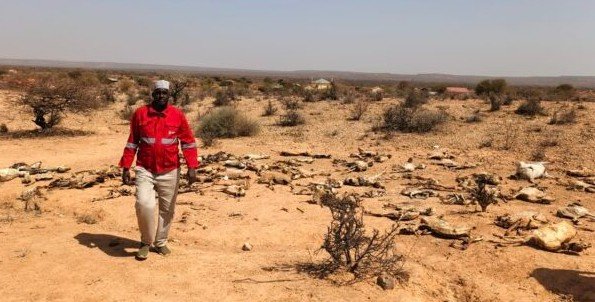
East Africa is currently grappling with a severe food security crisis, with reports indicating that conditions in the region are rapidly deteriorating. A recent outlook highlights the troubling impact of climate shocks, ongoing conflicts, and declining livelihoods, with millions suffering from acute food shortages.
Key Findings from the Food Security Outlook
The February Food Security Outlook released by the Alliance for a Green Revolution in Africa (AGRA) reveals alarming trends across several key nations, notably Kenya, Ethiopia, and South Sudan. Each of these countries faces unique challenges that compound the overall food insecurity situation.
Deteriorating Conditions in Kenya
In Kenya, the January to March lean season has exacerbated food shortages, particularly in the northern and eastern pastoral regions. Consecutive years of inadequate rainfall combined with soaring temperatures have resulted in critical shortages of both pasture and water. These factors have severely affected livestock health, leading to diminished milk production and pushing many households into crisis zone. Families are compelled to reduce meal frequencies and adopt negative coping strategies simply to survive.
Struggles in Ethiopia
Similarly, Ethiopia is grappling with widespread food insecurity primarily due to failed rains, persistent conflict, and economic instability. The impact of poor harvests has left food stocks alarmingly low, particularly in regions such as Tigray and Amhara, where ongoing conflicts further disrupt market access and food availability. Repeated droughts have rendered pastoral communities increasingly vulnerable, with many families facing severe crises while coping with rising food prices and diminishing purchasing power.
The Dire Situation in South Sudan
Among these regions, South Sudan emerges as the hardest hit. Escalating conflict continues to force mass displacement while severely disrupting market functions and hindering humanitarian assistance. Projections indicate that between February and May, the number of counties experiencing emergency food levels could more than double, with certain households in isolated areas expected to approach famine conditions (IPC Phase 5). The report raises alarms over the risk of famine in conflict-affected zones where access to food remains critically limited.
Regional Impact and Statistics
The scale of food insecurity across East Africa is staggering. Approximately 45.3 million people in five East African nations are currently struggling with inadequate food consumption. Uganda bears the highest number of affected individuals, with 18.0 million people (35% of its population) facing food insecurity. On the other hand, South Sudan grapples with the severest proportional impact, as 40.2% of its population is at risk.
Rwanda is also experiencing significant stress levels, affecting 3.6 million people (29.3%). Meanwhile, in Kenya, 13.6 million individuals (23.6%) are suffering from food shortages. In contrast, Tanzania, while the most stable of these nations, still faces challenges, with 7.4% of its population impacted by food insecurity, translating to approximately 5.2 million people.
Conclusion
The food security crisis in East Africa requires urgent attention and action. With millions facing the specter of hunger, it is crucial for local governments, international organizations, and communities to come together to develop sustainable solutions. Enhanced agricultural practices, improved access to markets, and conflict resolution are key factors that can aid in alleviating this pressing crisis.
For more detailed information on food security challenges and strategies, you can check the reports from the Alliance for a Green Revolution in Africa and other organizations dedicated to addressing food insecurity issues.
