

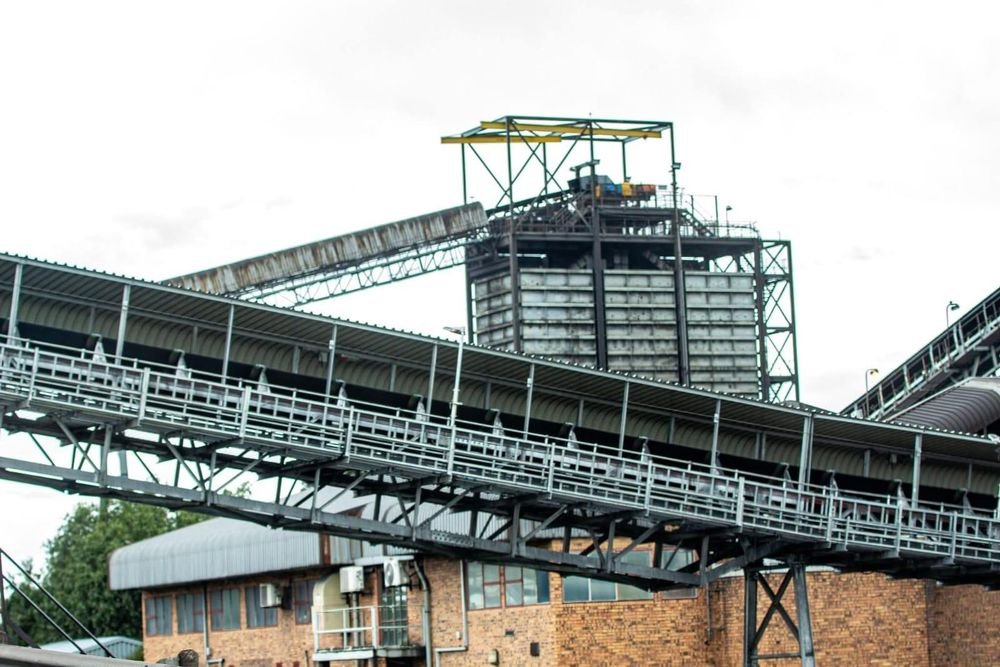
Sasol Unveils New Destoning Plant in Mpumalanga: A Leap Towards Enhanced Coal Quality
Sasol officially inaugurated its latest Destoning Plant in Mpumalanga, marking a significant advancement in the company’s mission to enhance coal quality and operational efficiency. In a keynote address, Minister of Mineral and Petroleum Resources Gwede Mantashe emphasized that investments like this bolster confidence in transforming the South African mining sector.
Strategic Development: The New Destoning Plant
The newly opened plant, which achieved beneficial operation in December 2025, is part of Sasol’s comprehensive strategy to grow and transform its business. The facility repurposed the Twistdraai Export Plant to effectively eliminate high-density stone from run-of-mine coal sourced from the Thubelisha and Bosjesspruit mines.
Improving Syngas Quality for Sustainable Production
By reducing the ash and sinks content before the coal enters the gasification process, the Destoning Plant significantly enhances the quality of syngas. This improvement directly benefits Sasol’s synthetic fuels and chemicals value chain. Since its commissioning, the plant has successfully lowered the average sinks for Q1 FY26 to below 14%, boosting coal quality and overall production at Secunda Operations.
A Commitment to Operational Performance
Simon Baloyi, Sasol President and CEO, stated that this facility represents a key commitment made during the 2025 Capital Markets Day, playing a crucial role in enhancing operational performance. It facilitates the processing of higher-quality, destoned coal essential for Sasol’s growth.
Boosting Confidence in South Africa’s Mining Future
According to Minister Mantashe, the launch of the Destoning Plant underscores the optimism surrounding South Africa’s mining and energy future. Such investments not only strengthen industrial capacity but also support economic growth and job creation. He remarked that Sasol’s upgrade of an export plant into a modern facility demonstrates a serious commitment to creating sustainable value for both the company and the nation.
Reversing Historical Injustices in Mining
Mantashe noted that for decades, the mining industry faced significant challenges and was often characterized by a legacy of exporting jobs, profits, and resources that should have benefited South Africans. He emphasized the need for ongoing efforts to transform the industry, asserting that impactful investments, like those made by Sasol, instill confidence in the possibility of change.
The Role of Coal in South Africa’s Economy
Mantashe reiterated the importance of coal, often criticized but critical to the economy. He pointed to South Africa’s long history with coal mining, which began in the late 1860s and has supported various industries, including energy generation, steel production, and cement manufacturing. Despite calls for a shift to alternative energy sources, he argued that coal remains vital for economic and energy stability.
Commitment to Cleaner Coal Utilization
Highlighting the Critical Minerals Strategy, Mantashe affirmed coal’s ongoing importance in creating jobs and sustaining livelihoods in South Africa. He underscored the government’s investment in cleaner coal technologies like Carbon Capture, Utilisation, and Storage (CCUS), noting Sasol’s commitment to such initiatives.
The Importance of Energy Independence
With ongoing tensions in the Middle East, the need for energy independence has never been more pressing. Mantashe concluded by stating that projects like the Destoning Plant are essential to ensuring that industrialization, beneficiation, and responsible use of natural resources remain central to South Africa’s economic future.
Source: BUSINESS REPORT
