

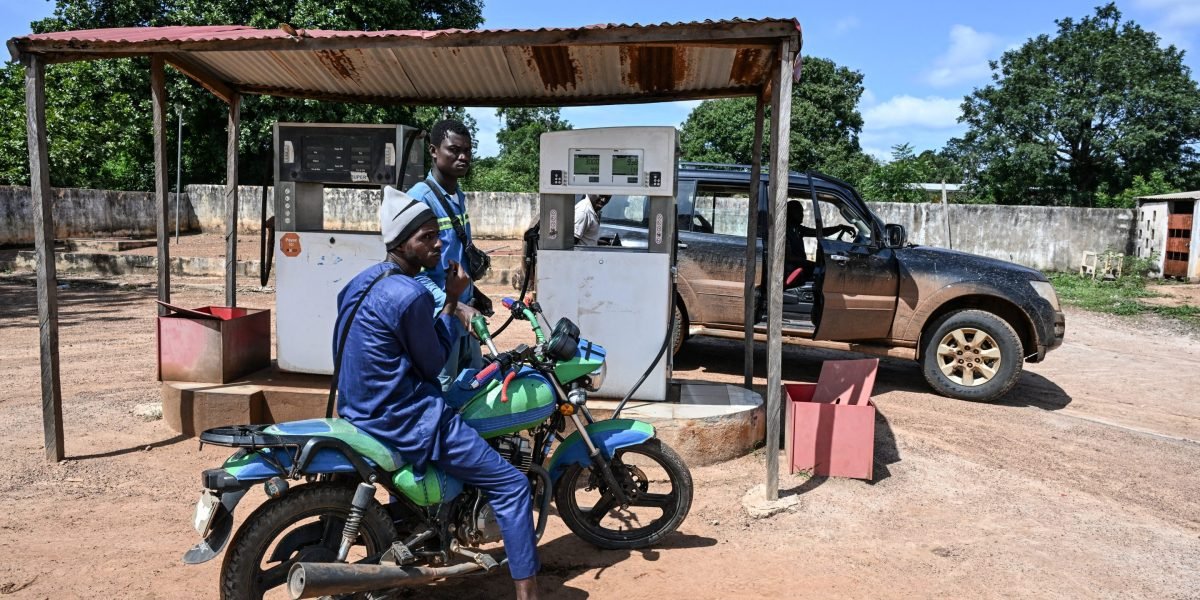
The Impact of Rising Oil Prices on African Economies Amid the Iran Conflict
The ongoing conflict with Iran has led to a sharp increase in oil prices, significantly affecting economies across Africa. This surge threatens to elevate fuel costs, spur inflation, and put renewed pressure on currencies continent-wide.
Vulnerability of African Economies to Oil Supply Disruptions
Africa, predominantly a net importer of petroleum products, finds itself particularly exposed to global oil supply shocks. As tensions in the Middle East escalate, the continent faces the risk of supply disruptions impacting its already fragile economies. According to energy transition research analyst Nick Hedley, “Africa is a net importer of oil products, meaning it is heavily exposed to shocks like these.”
When global oil supplies tighten, prices inevitably climb. Investor sentiment often shifts towards safer assets such as the U.S. dollar, resulting in weakened African currencies. This adverse dynamic amplifies the effects of rising prices in countries like Kenya and Ghana, both of which heavily rely on imported fuel.
Historical Context: The Ukraine Crisis
The situation mirrors the events following Russia’s invasion of Ukraine in 2022, where increased crude prices and currency depreciation saw transport fuel prices in South Africa surge by over 25% in just six months. Oxford Economics senior economist Brendon Verster notes, “The near-term risks come from mainly the rising oil prices and weakening exchange rates as investors move to safe-haven assets.”
Geographic Considerations: Strategic Oil Passageways
The sensitivity of oil markets to the Iran conflict also stems from critical shipping routes like the Strait of Hormuz, where approximately 20% of the world’s crude oil is transported. This strategic importance places additional pressure on economies dependent on stable oil supplies.
Regional Variations in Impact
The effect of rising oil prices is not uniform across Africa. For instance, countries like Kenya and Uganda report stable supply levels. Conversely, nations such as Nigeria and Ghana may miss out on the benefits of elevated crude prices, as they import most of their refined petroleum but produce crude oil.
Hedley points out, “It’s difficult to say at this point whether they will see net gains. Oil producers could benefit from higher crude prices, but ordinary citizens will likely face higher transport and fuel costs, and potentially higher interest rates.”
Potential Gains for Oil Exporters
Notably, sustained high prices could lead to windfalls for Africa’s major oil exporters. Nigeria, for example, exports about 1.5 million barrels daily and has based its fiscal framework on an oil price of $64 to $66 per barrel through 2028. With the conflict pushing prices above $100 per barrel, exporters such as Angola, Algeria, and Libya stand to gain significantly.
Challenges for Households
For the average African household, however, the immediate fallout is likely higher living costs. As Hedley highlights, “Rising fuel costs therefore feed quickly into broader inflation and reduce household purchasing power.” The transportation of goods, primarily done via road in Africa, further exacerbates the inflationary pressure.
Economic Stability: A Mixed Picture
Despite the overwhelming challenges, the impact has been minimal for some economies, like South Africa, which has stabilized its currency and bond markets through recent reforms. Peter Attard Montalto from Kruthan warns that, “Higher oil and gas prices are expected to filter into inflation in the coming months.”
Countries already under International Monetary Fund programs may face intensified strain as import bills consume limited foreign exchange reserves. Analysts identify nations such as Sudan, The Gambia, Central African Republic, Lesotho, and Zimbabwe as particularly vulnerable.
The Path Forward: Energy Diversification
In light of these challenges, there is a growing call for African nations to diversify their energy sources to mitigate imported fuel reliance. Kennedy Mbeva from the Centre for the Study of Existential Risk states, “It makes strategic sense for African countries to ensure long-term energy security and sovereignty.” Achieving this goal will require careful balancing of immediate fiscal pressures with long-term investments in clean energy and sustainability.
As African economies navigate the turbulent waters of rising oil prices and geopolitical tensions, the necessity for resilient strategies becomes ever more apparent.
