

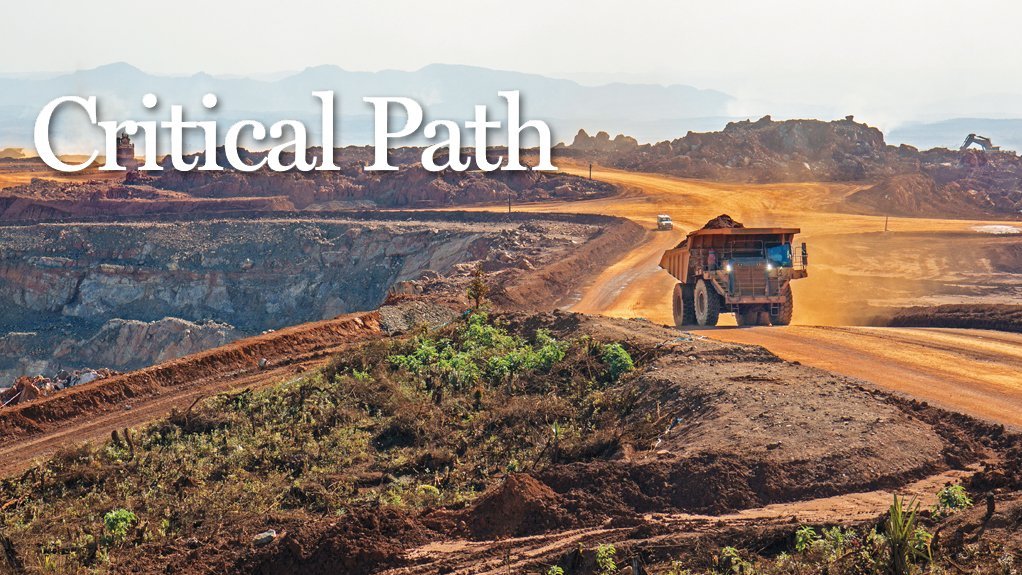
Unlocking Africa’s Critical Minerals: The Path to Sustainable Prosperity
Introduction to Africa’s Mineral Wealth
South Africa and the larger African continent are rich in critical minerals that are vital for the global clean energy transition. However, transforming this potential into meaningful economic and industrial growth remains a challenge. Policymakers, industry leaders, and development financiers are increasingly focusing on effective strategies to maximize the benefits of these resources.
Emphasizing Implementation Over Promises
At recent forums, such as the Investing in African Mining Indaba 2026 in Cape Town, the imperative to move beyond mere declarations of mineral wealth was reiterated. Key stakeholders emphasized the need for implementation, infrastructure development, and strategic value addition.
Key Barriers to Development
Despite progress, numerous challenges persist:
- Bureaucratic delays in licensing
- Inadequate infrastructure
- Underdeveloped value chains
- Competition for foreign investment
Emerging opportunities, such as financing for small- to medium-sized enterprises (SMEs) and cross-border corridor initiatives, are crucial to overcoming these hurdles.
Urgency for Action: Insights from Industry Leaders
Duncan Wanblad, CEO of Anglo American, highlighted the urgency for African governments to shift from intent to executable actions. He cited the Lobito Corridor, a 1,300 km rail line connecting Angola to the Democratic Republic of Congo and Zambia, as a model for regional integration that fosters value creation.
Strategic Infrastructure Development
Wanblad emphasized the need for intelligent planning in developing corridors that support cross-border trade, harmonized customs, and effective governance. He stated, "Value addition must be economically viable, aligning activities where they are optimally beneficial."
Global Investment Trends in Africa
To realize Africa’s mineral ambitions, an estimated hundreds of billions of dollars in investment is required. Such capital will flow only when the policy environment is stable, licensing processes are predictable, and risk-sharing mechanisms are credible.
Technical Assistance from International Bodies
Global development financiers are increasingly prioritizing Africa’s critical minerals. For example, the European Investment Bank (EIB) has engaged in partnerships to provide technical assistance to projects in countries like Namibia and Tanzania. This support is structured to facilitate engineering assessments, infrastructure evaluations, and environmental risk assessments.
Domestic Strategies for Success
While international assistance is fundamental, South Africa must develop its own critical minerals strategy. The Centre for African Mineral Value Chains (CAMVaC) has created the Linkage-Based Criticality Matrix (LBCM™) to assess the domestic economic importance of its minerals.
Rethinking Mineral Criticality
CAMVaC director Fulufhelo Lloyd Nedohe pointed out that criticality should be defined by domestic needs rather than global scarcity. For instance, while coal remains essential for South Africa’s energy needs, manganese is emerging as a key mineral for green technology and battery production.
Strengthening International Partnerships
As trade relations with traditional partners become less favorable, countries like the UK are stepping in to enhance collaboration. A recent agreement at the Mining Indaba aims to mobilize £2 million for SME funding, targeting the creation of 5,000 jobs in South Africa.
UK’s Critical Minerals Strategy
The UK’s approach centers on forming equitable partnerships that prioritize sustainability and mutual benefits. British High Commissioner Antony Phillipson noted that UK support extends across various sectors, from mining expertise to community-centered development.
Confronting Ongoing Barriers
Despite encouraging developments, numerous obstacles still hinder Africa’s ability to optimize its mineral assets. Minister Gwede Mantashe pointed to the sluggish pace of exploration licensing, which exacerbates illegal mining issues.
Calls for Administrative Reform
Better administration and modernization of the digital cadastre are essential for streamlining processes and improving investor confidence.
Potential for Progress
Several promising initiatives indicate that Africa can achieve its critical minerals ambitions. From international technical assistance to local strategic planning through CAMVaC, there’s a burgeoning movement towards realizing economic potential.
The Case for Regional Cooperation
Infrastructure projects like the Lobito Corridor exemplify how intercontinental cooperation can enhance efficiency and attract substantial investment. Harmonizing policies across African nations, as suggested by Mantashe, is vital for fostering a collaborative environment for growth.
Conclusion: The Road Ahead
Africa stands at a transformative juncture in its mineral sector. The interplay of effective policy, international investment, and regional integration is key to turning mineral wealth into sustainable economic advantages. Overcoming existing barriers, such as slow licensing and fragmented strategies, enables the continent to capitalize on its mineral potential, not just for global markets but also to realize local economic benefits.
By focusing on implementation and strategic planning, Africa can emerge as a leading provider of critical minerals, establishing a foundation for lasting prosperity.
