

Reviving Ivorian Heritage: Spotlight on Black History Month Initiatives
In recent years, a growing movement in Ivory Coast aims to shed light on the rich history of Ivorian culture and its heroes, as awareness of African heritage gains momentum. One notable advocate spearheading this effort is Serge Alain Niang’O, who is deeply concerned that many Ivorians are more familiar with African American figures than their own ancestors.
Bridging the Knowledge Gap: The Ivorian Black History Month (IBHM)
Niang’O founded the Ivorian Black History Month (IBHM) collective to address this lack of awareness. This initiative mirrors the celebration of African heritage, marking 50 years in the United States this February. Niang’O emphasizes the importance of providing young people with access to their own history.
Despite the collective’s growth, Niang’O acknowledges significant challenges due to the government’s neglect of Ivorian history. As several communes still bear names of French colonial figures, the cultural narrative remains clouded. Through conferences, film screenings, and debates on traditional Ivorian architecture and games, the IBHM has attracted hundreds, yet staging these events requires extensive research due to a lack of resources.
The Educational Deficit
The educational landscape in Ivory Coast is lacking when it comes to African history. Niang’O highlights that there is minimal teaching of Africa’s past within the school curriculum, and relevant literature largely resides in France, leading him to resort to online piracy to access vital resources.
Despite the growth of urban Ivorian culture, particularly Ivorian hip-hop, Niang’O insists on the need for the government to prioritize ancestral culture.
Growing Awareness in Academia
This disconnection from history is also felt in academic circles. Adama Samake, a literature professor at Felix Houphouet-Boigny University, has taught Ivorian history and decolonization since 2019. He notes that students are often astonished by their ignorance regarding the historical implications of French colonialism.
Samake argues that the lack of comprehensive education on Ivorian history is a direct result of political choices favoring France. In contrast, countries like Benin are actively promoting historical awareness to attract diasporic tourists.
Addressing Historical Injustices
Ivory Coast has not taken significant strides to remember its role in the transatlantic slave trade. While not a primary port of departure for enslaved individuals, the country has been a critical route. Critics, including Samake, describe the lack of acknowledgment as a form of "neocolonialism," which stifles critical consciousness among the youth.
Cultural Renaissance at the Bushman Cafe
Kablan Porquet, founder of the Bushman Cafe in Abidjan, reflects on the broad cultural implications of colonization. He believes Ivory Coast has neglected its cultural roots, noting that colonization created a lasting shame regarding their own heritage. Porquet advocates for a return to African identity, prioritizing indigenous heritage over Western standards.
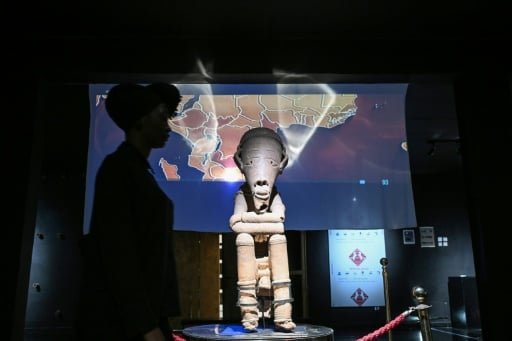
To this end, he has built a memorial for the descendants of Africans, showcasing the Nok civilization‘s exquisite terracotta artwork, which flourished around 3,500 years ago in present-day Nigeria. This initiative aims to shift the narrative away from slavery and highlight the beauty and richness of African culture before colonial disruption.
Conclusion: The Path Forward
As initiatives like the Ivorian Black History Month gain traction, there is hope for a renewed appreciation of Ivorian history and culture. The quest for deeper knowledge of one’s roots is a powerful form of empowerment, urging the government and educational institutions to acknowledge and celebrate local heritage. In doing so, Ivory Coast can reclaim its narrative and promise a proud cultural legacy for future generations.
For further information on the Ivorian Black History Month and initiatives for preserving African heritage, please visit IBHM Official Site and learn more about the significance of celebrating our shared history.
