

African financial markets are entering a new era of optimism, marked by a revitalization of sovereign borrowing activities, diverging inflation trends across key economies, and regional banks gearing up for consolidation. Below are the crucial developments influencing the continent’s financial landscape.
Africa’s Strategic Return to Global Capital Markets
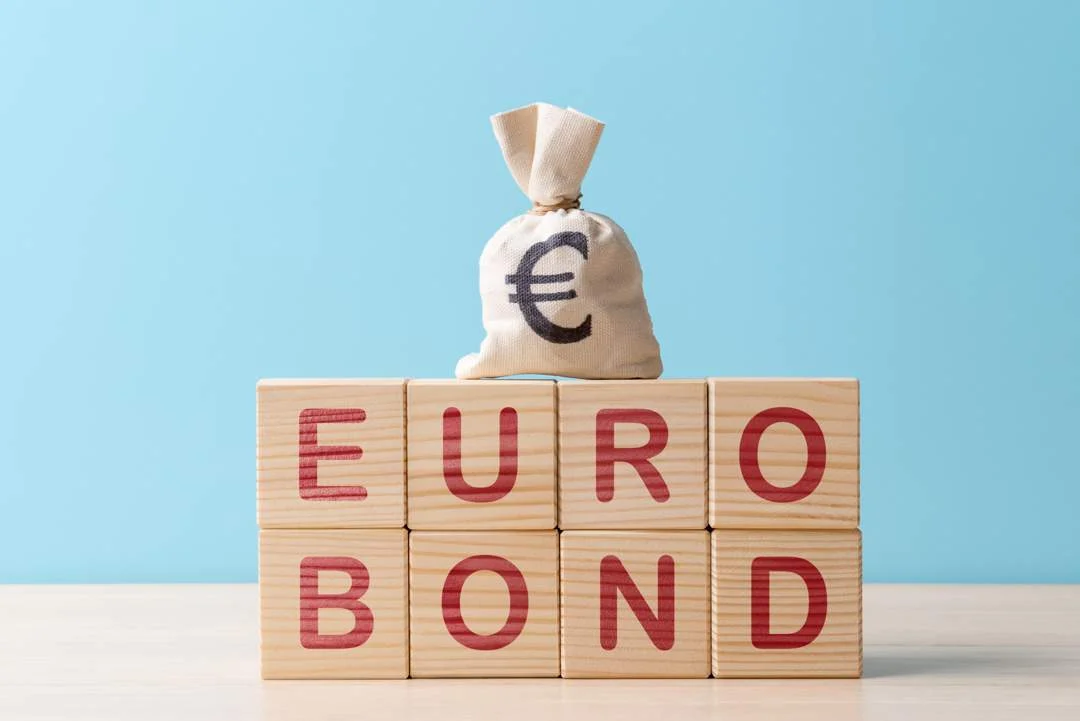
African nations are making an early comeback to international capital markets in the first quarter of the year, taking advantage of easing global borrowing costs and increasing investor appetite for emerging-market debt. Countries such as Kenya, Benin, Cameroon, and the Republic of Congo have successfully issued new dollar-denominated bonds. This reopening of the Eurobond market comes after two years marked by stringent financial conditions.
Why This Matters
The early return signals a positive shift in investor sentiment toward African risk, potentially alleviating immediate refinancing pressures. However, it raises questions regarding whether these countries are strengthening their financial buffers or merely extending their existing debt burdens.
Ghana’s Debt Restructuring Progress
In a significant development, Ghana has made its sixth debt restructuring payment, disbursing GH¢10 billion (approximately $909.1 million) as part of its Domestic Debt Exchange Programme (DDEP). This payment reaffirms the government’s commitment to addressing its revised debt obligations amidst a fiscal crisis.
Why This Matters
Ghana’s consistent payment history is crucial for restoring investor confidence after facing debt distress. Observers will closely analyze compliance with restructuring terms as the nation strives to regain access to international markets.
South Africa’s Inflation Trends
South Africa’s annual inflation rate dipped to 3.5% in January 2026, bringing it back to levels recorded in November 2025. The latest Consumer Price Index (CPI) report from Statistics South Africa indicates a slight decline from 3.6% in December, slightly above analysts’ expectations of 3.4%.
Why This Matters
The cooling inflation rate supports the possibility of monetary easing by the South African Reserve Bank in its upcoming Monetary Policy Committee meeting. For the continent’s most industrialized nation, stable prices could enhance household demand and improve the broader economic outlook.
Rwanda’s Counter-Cyclical Monetary Policy
Defying the regional trend towards monetary easing, Rwanda’s central bank implemented its largest interest rate increase in nearly three years to mitigate near-term inflation risks. The Monetary Policy Committee raised the key policy rate from 6.75% to 7.25% during its first meeting of 2026.
Why This Matters
This move underscores the unevenness of Africa’s disinflation journey, with certain countries facing persistent inflation pressures, suggesting a varied monetary cycle across the continent.
Consolidation Moves in the Banking Sector
In the banking sector, Standard Chartered has initiated the sale of its Botswana subsidiary, generating initial interest from South Africa’s largest banking institutions as they look for expansion opportunities. First-round bids are expected by mid-2026, with potential suitors including Nedbank Group, Absa Group, Standard Bank Group, and FirstRand’s First National Bank.
Why This Matters
This prospective deal highlights a structural shift in Africa’s banking environment, as global banks withdraw while regional players take a more prominent role. The outcome could accelerate consolidation and increase the regionalization of banking across Africa.

