

Enhancing Agricultural Trade in Africa through Collaboration
The African Continental Free Trade Area (AfCFTA) has taken a significant step toward improving agricultural trade on the continent by signing a Memorandum of Understanding (MoU) with the Alliance for a Green Revolution in Africa (AGRA). This partnership was formalized during the recent 39th African Union Summit. Wamkele Mene, the Secretary-General of the AfCFTA Secretariat, announced the initiation of a three-year "Agriculture Trade Action Plan" aimed at enhancing food distribution and addressing persistent food insecurity.
Addressing Food Insecurity in Africa
Africa faces an ongoing food crisis despite being rich in agricultural products. As Mene pointed out, "Africa has the grains but we continue to be a net food importer." The newly formed partnership will leverage AGRA’s technical skills and agricultural expertise along with trade tools to facilitate the movement of agricultural products across borders. The primary goal is to significantly reduce Africa’s food import bill, promoting self-sufficiency in food production.
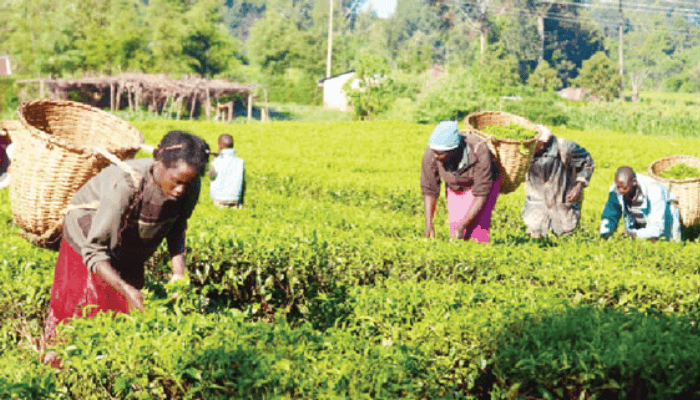
AGRA is an African-led institution dedicated to advancing agricultural innovations that support smallholder farmers in increasing their incomes, improving livelihoods, and enhancing food security. By collaborating with the AfCFTA, AGRA aims to better utilize resources and reduce the challenges faced by farmers.
Collaboration for Sustainable Growth
Over the past three years, the AfCFTA Secretariat has been working on strategies to lower food costs and stimulate agro-processing industries. The plan will be submitted to trade ministers for their endorsement before being passed to heads of state for approval.
Alice Ruhweza, President of AGRA, highlighted that this collaboration transcends mere trade. "When we trade maize, citrus, and processed dairy, we’re also trading the water resources used in their production," she noted. This indicates a commitment to sustainable water management while integrating regional markets.
Protecting Food Systems
The partnership between AGRA and AfCFTA aims not only to enhance trade but also to protect food systems against climate challenges like droughts and floods. By creating food corridors and linking food baskets into agro-processing zones, they seek to advance sustainable practices in water management.
The ultimate vision is to empower smallholder farmers, ensuring that the benefits of free trade extend to those who cultivate the land. As Ruhweza stated, "No child should go to bed hungry." This initiative reaffirms the notion that "when Africa trades with itself, it feeds itself."
Conclusion
The MoU between the AfCFTA and AGRA signals a proactive approach to addressing Africa’s food challenges. By leveraging local resources and focusing on sustainable practices, this partnership has the potential to reshape agricultural trade dynamics across the continent. For more detailed updates, you can read about Nigeria’s readiness to engage in the AfCFTA market here.
This strategic collaboration holds promise not only for improved agricultural trade but also for enhancing food security across Africa.
