

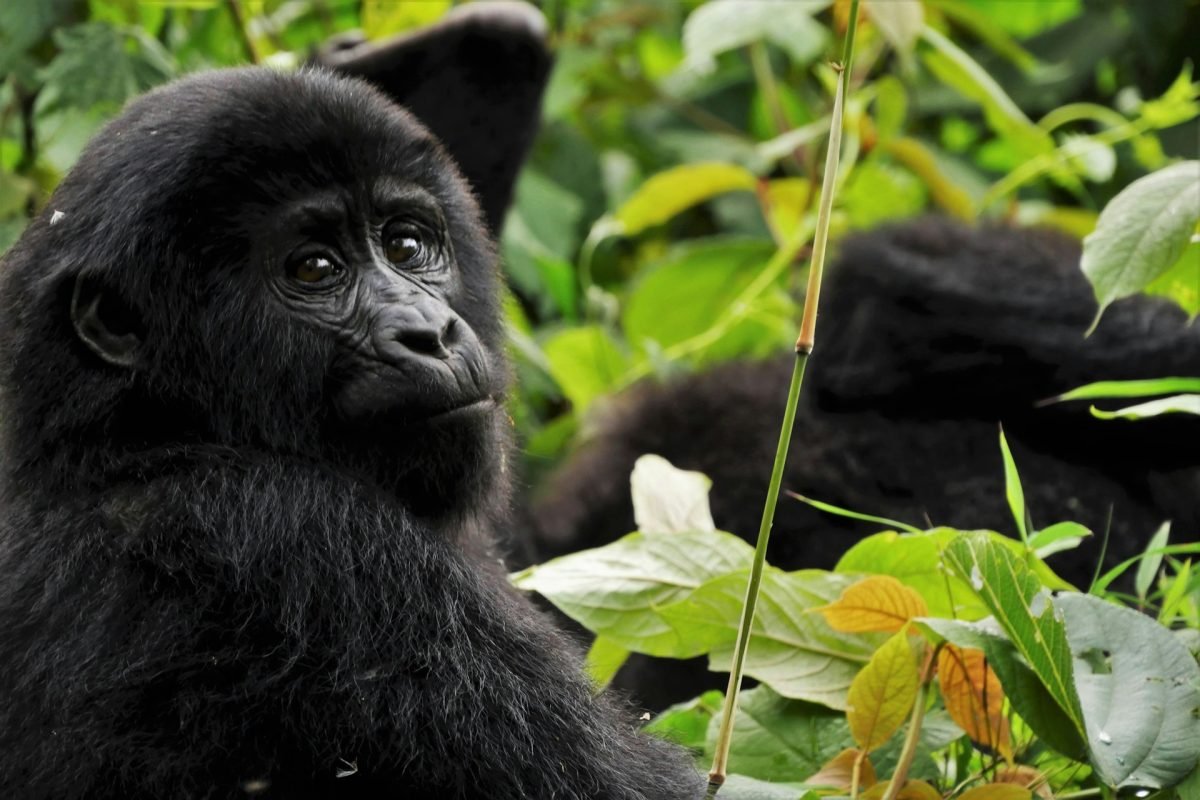
In a remarkable display of resilience, a mountain gorilla in one of Africa’s most challenged parks has once again made headlines.
A Rare Birth in Virunga National Park
Nestled in the eastern region of the Democratic Republic of Congo, Virunga National Park has weathered decades of strife—from militia violence to a stark conservation crisis. Yet, amidst this turmoil, a female mountain gorilla named Nyiramurema has achieved a remarkable feat: she has given birth to twins, marking her second set of twins in her lifetime.
Rangers in Virunga confirmed the joyous news earlier this year, revealing that both infants are thriving. This astonishing event has left conservationists and scientists in awe; the occurrence of a single female gorilla successfully raising two sets of twins is a rare phenomenon, challenging previous beliefs about the species’ reproductive capabilities.
The Importance of This Event
With fewer than 1,100 mountain gorillas remaining globally, every individual counts. Each birth is meticulously logged. A year with increased births can significantly enhance the population’s future—and twin births have an even greater potential impact.
Understanding Twin Births in Gorillas
Typically, gorillas give birth to one infant at a time, with inter-birth intervals of four to six years. Thus, raising twins poses a considerable challenge, as mothers must provide warmth, milk, and care to both infants simultaneously. Nyiramurema’s ability to raise two sets of twins defies conventional expectations and speaks volumes about her resilience and the supportive environment fostered by conservation efforts.
<1,100
Mountain gorillas alive globally
2nd
Set of twins for one mother
100s
Elephants returned this year
Conservation Efforts in Virunga
The survival of every gorilla in Virunga is a testament to the brave rangers who risk their lives daily. Over the last two decades, many rangers have tragically lost their lives in the line of duty, underscoring the heavy toll of conservation work in this area. Each twin birth is celebrated not merely as a biological achievement but as a reminder of the sacrifices made for these animals’ survival.
A Comeback for Elephants
Nyiramurema isn’t the only success story in Virunga. Recent reports indicate that hundreds of forest and savanna elephants have returned to the park, previously retreating due to conflict and poaching. Aerial surveys and camera traps have documented these majestic animals moving through once-empty areas, a sign that environmental conditions are improving.
Elephants play a crucial role in ecosystems, acting as natural engineers by clearing pathways, dispersing seeds, and creating water access points that benefit various species. Their return signals a resurgence in the park’s biodiversity, indicating positive shifts in security and habitat conditions.
Challenges Ahead
Despite these glimmers of hope, challenges remain. Armed groups continue to pose threats on the fringes of the park, and surrounding communities grapple with economic hardships. The balance between conservation and the pressing needs for survival is an ongoing struggle. Furthermore, environmental concerns from climate change add another layer of complexity to these fragile ecosystems.
However, conservationists remain optimistic. The recent successes in Virunga are the result of dedicated efforts, encompassing ranger presence, habitat protection, and community engagement that have been meticulously built over time. These victories reflect a commitment that refuses to give up on the park or its inhabitants.
In Virunga, as two tiny gorillas cling to their mother and a herd of elephants finds its way home, it’s clear that these small victories hold tremendous significance.
