

The Vision for a Unified African Currency: A Path to Economic Sovereignty and Continental Strength
Introduction: The 100 Afri Note as a Symbol of Unity
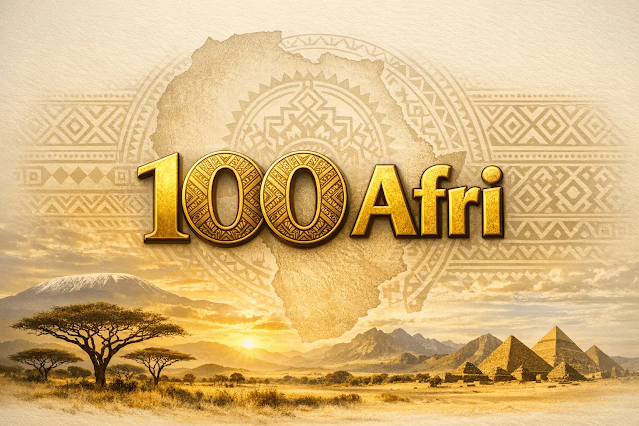
Imagine a currency note labeled 100 Afri, symbolizing the strength and unity of Africa. This proposed currency features the continent’s vibrant map alongside its rich wildlife and renowned landmarks, while also honoring four visionary leaders whose dreams have shaped Africa’s trajectory. The envisioned note stands as a testament to the collective aspiration for economic independence and continental solidarity.
A Historical Context of Struggle and Liberation
Africa’s journey toward liberation has consistently been intertwined with external forces aimed at controlling its people, land, and future. From the inception of the transatlantic slave trade to the brutalities of colonization and the oppressive rule of apartheid, the continent has faced systematic efforts designed to undermine its potential.
These were not mere accidents; rather, they formed deliberate structures of domination that siphoned Africa’s wealth while stifling its economic and political freedoms. The scars from this history manifest today, influencing Africa’s development and its role in the global economy.
The Impact of Slavery and Colonization
The effects of slavery were catastrophic, uprooting millions of Africans and dismantling families, cultures, and social systems. This was quickly succeeded by colonization, which included military conquest, land dispossession, and the imposition of foreign governance.
The Apartheid Era
The apartheid regime in Southern Africa deepened this oppression, establishing a racial hierarchy that stripped Black Africans of their humanity and economic opportunities. These historical injustices have left Africa divided, economically reliant, and politically susceptible to external influence.
Visionary Leaders Advocating for Unity
In the face of these challenges, the continent birthed leaders with a vision that transcended national boundaries. Figures like Kwame Nkrumah, Patrice Lumumba, and Muammar Gaddafi emerged as pivotal advocates for African unity and economic independence.
Kwame Nkrumah’s Dream
Kwame Nkrumah’s vision was clear: he imagined a United States of Africa characterized by joint governance, shared military command, and a cohesive economic framework. His ousting in 1966 serves as a stark reminder of the geopolitical maneuvering during the Cold War, where foreign interests sought to undermine his Pan-African ambitions.
The Tragic Fates of Lumumba and Gaddafi
Patrice Lumumba, the Congo’s first prime minister, was assassinated in 1961 while championing the nation’s liberation from external exploitation of its abundant mineral wealth. His demise remains a painful testament to Africa’s stolen potential. Similarly, Gaddafi’s overthrow in 2011 silenced one of the continent’s strongest advocates for a unified African currency, backed by gold reserves.
These leaders shared a belief: Africa must unite or remain vulnerable. Their removal was a calculated move against that very unity.
The Current Economic Landscape and the Need for Change
Today, many African nations rely heavily on foreign currencies like the US dollar and the euro for trade, which leaves them vulnerable to international market fluctuations. This dependency inflates the costs of imports and accentuates the burden of debt repayments.
The Role of the African Continental Free Trade Area (AfCFTA)
While the African Continental Free Trade Area (AfCFTA) represents a significant step toward economic collaboration, the absence of a unified currency restricts Africa’s full economic potential. Achieving true economic sovereignty requires decisive action from African leaders.
The Fight Against Corruption
The first critical step is the relentless fight against corruption, which drains billions annually from potential investments in infrastructure and social services. African leaders hold the key to eradicating corruption, fostering a brighter future.
Unity: The Path Forward
For Africa to elevate its global standing, it must prioritize:
- Political and Economic Unity: Fragmented states fall short in global competitions. A united Africa could emerge as a true superpower.
- Strong Regional Institutions: These must enforce accountability and transparency.
- Reduced Dependency on Foreign Aid: Self-sufficiency is crucial, as foreign aid can undermine sovereignty.
- Investment in Key Sectors: Emphasizing agriculture, manufacturing, and technology is vital for growth.
The Imperative for a Single African Currency
Perhaps the most transformative step toward true economic independence is establishing a single African currency. This initiative would liberate Africa from foreign monetary control, allowing the continent to determine its own economic destiny.
Benefits of a Unified Currency
- Enhanced Intra-African Trade: Eliminating exchange rate barriers fosters deeper economic integration.
- Bargaining Power in Global Markets: Strengthened economic foundations reduce reliance on currencies like the US dollar and euro.
- Stabilized Prices: A unified currency promotes a predictable economic environment, encouraging both domestic and foreign investment.
- Protection from Currency Manipulation: A single currency shields African economies from external financial pressures.
Building a Resilient Financial Identity
The creation of a unified African currency would provide the continent with a robust financial identity and bolster its collective economic security against global economic shifts. It would strategically support the AfCFTA and foster a sense of continental pride, liberating Africa from colonial economic frameworks.
Conclusion: A Vision for the Future
Establishing a single African currency is not just an economic maneuver; it embodies the unity, strength, and resilience of a continent poised for greatness. As Africa strives towards economic sovereignty, the dream of the 100 Afri note becomes a beacon of hope, representing a future of unparalleled potential.
A unified currency symbolizes a continent ready to rise, a testament to the indomitable spirit of its people.
