

Africa’s Economic Path to Unity: The Vision for a Single Currency
Introduction: A New Dawn with the 100 Afri Note
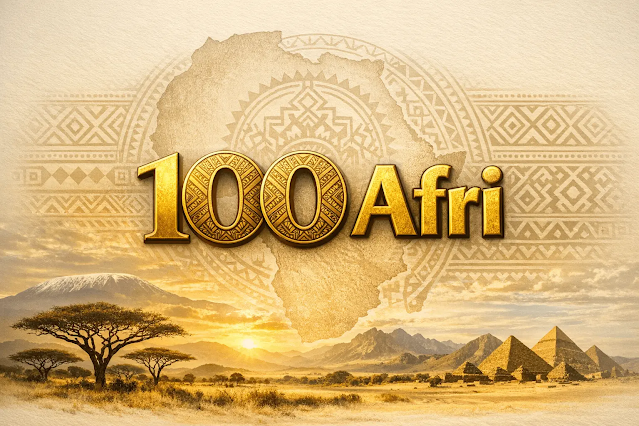
Imagine a currency note named 100 Afri, a proposed symbol of African unity and strength. This visionary note would encapsulate the continent’s map, its iconic wildlife, cultural landmarks, and portraits of four influential leaders whose aspirations transcended borders. This vision of a unified economic identity is more pertinent than ever as Africa seeks to reclaim its narrative.
Historical Context: The Struggles of Liberation
Africa’s journey toward liberation has been marred by historical injustices. From the devastating impacts of the transatlantic slave trade to the oppressive systems of colonialism and apartheid, the continent has faced deliberate domination strategies aimed at undermining its sovereignty. These historical circumstances have fostered a legacy of economic dependency and political vulnerability.
Slavery uprooted families, disrupted cultures, and erased social structures. Following this trauma, colonization imposed foreign political systems, military conquests, and systemic exploitation of Africa’s resources. The apartheid regime in Southern Africa further entrenched racial hierarchies, denying Black Africans essential economic opportunities.
Visionary Leadership: Pioneering Unity
Amidst these challenges, visionary leaders like Kwame Nkrumah, Patrice Lumumba, and Muammar Gaddafi emerged, advocating for African unity and economic independence. They recognized that political autonomy without economic power would perpetuate Africa’s subjugation. Their ambitions for a unified Africa were viewed as threats to global interests, resulting in their tragic downfalls.
The Call for United Africa
Kwame Nkrumah dreamt of a United States of Africa, emphasizing the need for a coordinated government and military as well as an integrated economy. The overthrow of Nkrumah in 1966 epitomized Cold War geopolitical struggles, where foreign powers sought to destabilize his Pan-African vision. Lumumba’s assassination in 1961 symbolizes the ongoing quest for Africa’s autonomy, while Gaddafi’s call for a unified African currency before his downfall in 2011 reflected an aspiration towards monetary independence.
Current Economic Landscape: Dependency and Challenges
Today, African nations largely rely on foreign currencies, mainly the US dollar and the euro. This dependency exposes the continent to global economic fluctuations, adversely affecting local economies, trade, and investment. The ongoing psychological reliance on former colonial powers reinforces the need for swift, transformative actions.
The African Continental Free Trade Area (AfCFTA)
Despite the establishment of the African Continental Free Trade Area (AfCFTA) as a significant advancement, without a unified currency, Africa cannot fulfill its economic ambitions. Leaders must push for genuine economic sovereignty that transcends symbolic gestures.
Steps Towards Economic Sovereignty
-
Tackling Corruption: Corruption siphons off billions of dollars that could otherwise fund infrastructure, healthcare, and education. Only proactive African leadership can address this issue.
-
Political and Economic Unification: Fragmented states hinder global competitiveness. A united Africa could emerge as a formidable global entity.
-
Building Strong Regional Institutions: Instituting robust institutions to uphold accountability and transparency is essential.
-
Reducing Dependency on Foreign Aid: Dependence on foreign assistance can impede sovereignty. Investing in agriculture, manufacturing, and technology is crucial.
- Establishing a Single African Currency: This is the ultimate transformative step towards economic autonomy, providing Africa control over its economic fate.
The Transformative Power of a Unified Currency
A unified African currency would serve as a critical tool for empowerment. It could:
- Eliminate Exchange Rate Barriers: Boost intra-African trade and facilitate easier transactions.
- Strengthen Bargaining Power: Enhance Africa’s negotiation leverage in global markets.
- Foster Economic Stability: Stabilize prices and create a predictable environment for investment.
- Promote Integration: Support economic unity across the continent and protect against external currency manipulation.
Conclusion: A Symbol of Strength and Liberation
Establishing a single African currency is not merely an economic necessity; it embodies the continent’s aspirations for unity, strength, and freedom. The vision of a united Africa, driven by its own currency, positions the continent as a rising superpower ready to reclaim its narrative and economic destiny.
In this new economic era, the 100 Afri may soon evolve from a concept to a reality, symbolizing the hope and resilience of a united Africa prepared to stand tall on the global stage.
For more insights on African unity and economic strategies, explore resources from Africa Union and Economic Commission for Africa.
