

Unlocking Opportunities: How Africa’s Farmers Can Thrive with China’s 15th Five-Year Plan
For many years, Africa has been perceived solely as a continent requiring food assistance. However, with the advent of China’s 15th Five-Year Plan (2026-2030), a transformative vision is emerging where African farmers are not just consumers, but pivotal contributors to a global agricultural economy. This plan is more than just a national agenda; it’s a blueprint for sustainable agricultural development amid changing climate conditions.
Insights from Henan Province: A Model for Collaboration
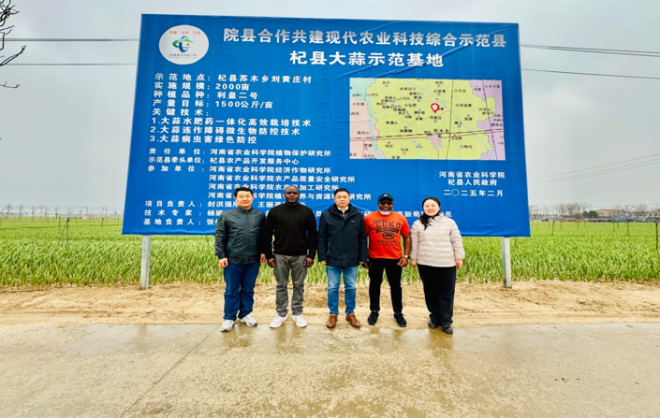
My expedition through Henan Province unveiled numerous pathways for African agricultural advancement. The journey began in Qixian County, renowned for its garlic production, where over 70% of the world’s garlic supply is cultivated. Here, I encountered farmers treating garlic cultivation as a sophisticated enterprise, efficiently managing a global supply chain.
One farmer shared, “We don’t just grow garlic; we manage a global supply chain.” The implication is immense: African countries can cultivate high-quality garlic and onions, but without proper infrastructure, much of it is wasted. By embracing systems like cold chain logistics—similar to what’s prioritized in China’s plan—African farmers could transform their local produce into globally traded commodities.
The Need for Technological Enhancements
Next on the agenda was Weishi County, known as the breadbasket of China. In this picturesque landscape of wheat fields, advanced technologies like drones and smart sensors are integrated into farming practices. These innovations allow farmers to optimize water use and manage resources efficiently, emphasizing a critical feature of the 15th Five-Year Plan: seed sovereignty and smart farming.
Africa possesses the world’s highest untapped arable land potential. As China advances in agricultural technology, a mutually beneficial partnership is needed. By adopting the efficient practices seen in Weishi, African farmers can enhance their wheat yields significantly without expanding land use.
Why This Partnership Matters for African Farmers
As China shifts its manufacturing focus—from low-end production to high-tech industries—it opens up unique avenues for African nations like Namibia, Malawi, and Zambia. The goal is clear: establish Africa as a global processing hub. The 15th Five-Year Plan is designed to share advanced technology with Africa, facilitating the entry of specialty crops such as coffee and avocados into Chinese markets.
The introduction of climate-smart solutions is also paramount. By leveraging Chinese climate science, African farmers can better navigate current challenges like droughts impacting Somalia and northern Kenya, enhancing their resilience and sustainability.
The Future of Farming is High-Tech
The advancements witnessed in Henan signify a shift in agriculture—from mere cultivation of crops to a complex interplay of data, technology, and international collaboration. If African farmers can harness the speed of Qixian and the technological prowess of Weishi, the next global agricultural powerhouse may emerge from their soil, moving beyond mere self-sufficiency to becoming integral players in international food production.

