

Strategic Market Forces Affecting African Resource Development
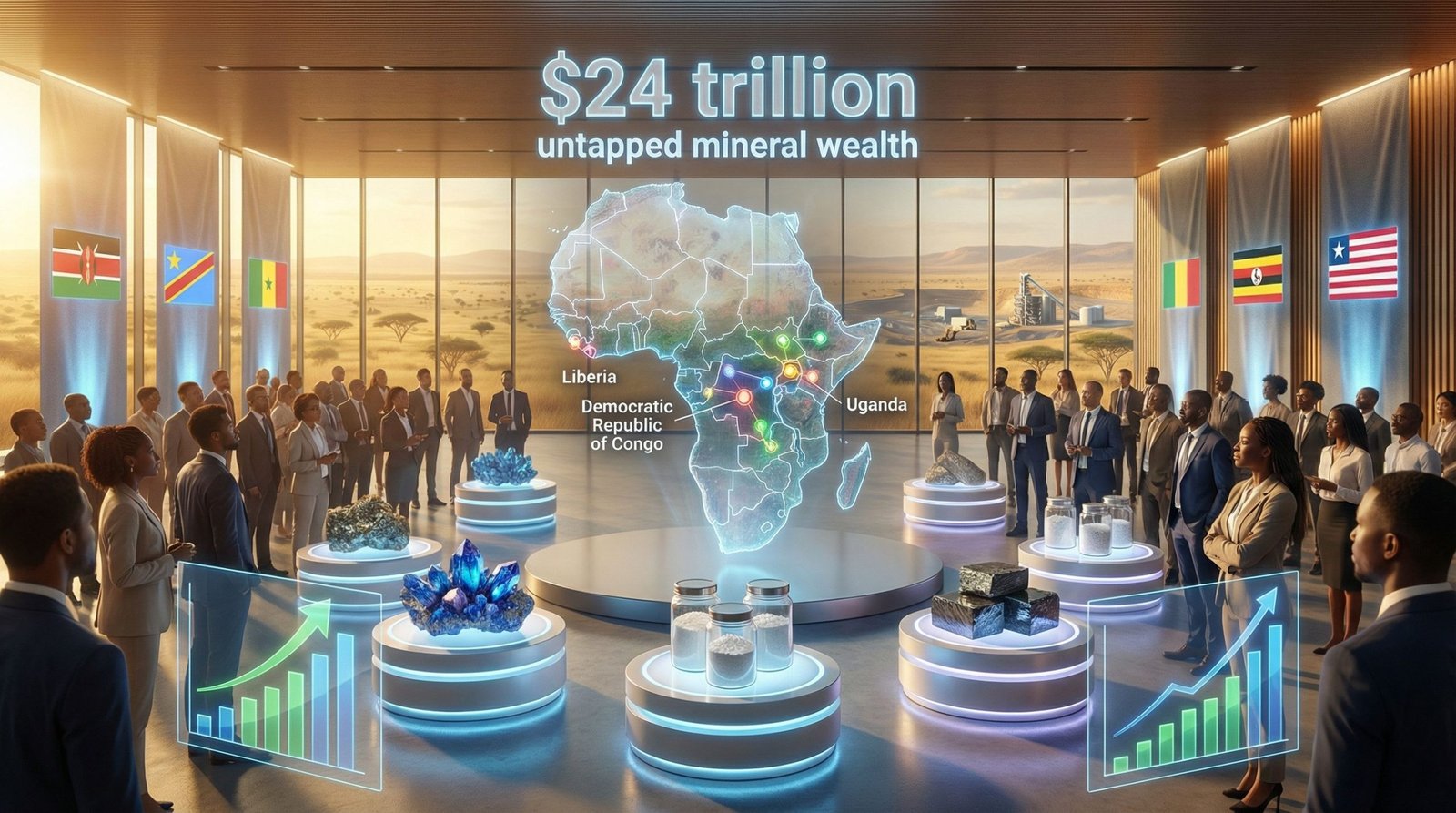
The African continent is on the brink of a transformative era in mineral resource development, with an impressive $24 trillion in untapped mineral assets. This wealth represents a pivotal moment for international investors, calling for a shift from traditional extraction methods to integrated frameworks focused on value creation. As the demand for critical minerals for energy security is expected to quadruple by 2040, the mining landscape across Africa is rapidly evolving due to energy transition needs, supply chain diversification, and shifting geopolitical dynamics among leading economies.
The confluence of technological progress and resource scarcity has established unique investment avenues throughout African nations. The surge in gold prices, reaching record highs in 2026, reveals a sustained appetite for wealth preservation, while metals such as platinum, chrome, and manganese are increasingly vital for energy transition technologies. This dual demand illustrates the strategic relevance of African mining week as a key platform for investors looking to reshape resource development in the coming decade.
Resource Corridors and Strategic Positioning in Africa
The economic landscape of African mining is evolving as countries adopt integrated approaches to resource extraction and value addition. Central Africa is emerging as a critical minerals epicenter, boasting significant cobalt, lithium, and copper deposits that remain largely unexploited despite their essential role in battery production.
Yet, challenges persist within supply chains. The extension of the DRC’s cobalt export ban illustrates how regulatory shifts can dramatically impact global supply chains, simultaneously creating opportunities in alternative mineral sources.
For instance, the Central African Republic showcases its potential with over 570 recognized mineral occurrences, mainly artisanal operations. Its untapped cobalt, lithium, coltan, and rare earth deposits position the country as an attractive prospect for global investment.
Emerging Regional Development Patterns in Africa
Liberia’s Industrial Transformation
Liberia marks a shift from conventional iron ore extraction toward a more comprehensive approach involving geological mapping and industrial advancement. The country’s ambitious plan to ramp up iron ore production to over 30 million metric tons by 2026 reflects a desire to develop downstream processing and diversify into critical minerals.
Uganda’s Beneficiation Strategy
Uganda emphasizes local beneficiation policies to transition from exporting raw minerals to producing higher-value products. This strategy promotes job creation, industrial growth, and revenue expansion, and serves as a model for other African nations.
Egypt’s Cooperative Model
Egypt is enhancing regional partnerships and regulatory frameworks for potash, gold, and phosphate development. This approach is geared towards leveraging established mining experience to catalyze cross-border collaboration and technology transfer.
| Regional Corridor | Primary Minerals | Development Stage | Key Advantages |
|---|---|---|---|
| Central Africa | Cobalt, Lithium, Copper | Early-stage exploration | Close to processing facilities |
| West Africa | Iron ore, Gold, Rare Earths | Production Scaling | Established export infrastructure |
| East Africa | Graphite, Industrial Minerals | Beneficiation Development | Regional Coordination Frameworks |
| Southern Africa | Platinum Group Metals, Chrome | Mature Production | Advanced Mining Knowledge |
Investment Frameworks and Capital Mobilization
Scheduled for October 14-16 in Cape Town, the African Mining Week 2026 serves as a crucial platform, linking global capital with African mining prospects. The event fosters structured dialogue among government representatives, international investors, and project developers. Additionally, co-locating with African Energy Week facilitates comprehensive discussions on infrastructure, power generation, and resource development strategies.
New Partnership Models in African Mining
In the Democratic Republic of Congo, with its wealth of $24 trillion in untapped mineral resources and about 90% unexplored, the strategy seeks long-term partnerships that extend beyond mere production, incorporating investments in exploration, infrastructure, and workforce development.
- Geological mapping and exploration management
- Infrastructure supporting multiple mining ventures
- Technology transfer frameworks
- Domestic value chain initiatives
- Employment and skill development programs
Policy Engagement and Government Alignment
The involvement of mining ministers from various African countries in conference discussions highlights the importance of international partnerships. South Sudan’s continued collaboration with conference organizers for over a decade exemplifies this trend, enhancing mineral sector development and market engagement.
Investors should consider how AI technology in mining can streamline operations while minimizing environmental impacts in these burgeoning markets.
“Aligning government objectives with investor needs creates pathways for structured partnerships addressing capital mobilization and domestic development through collaborative project designs.”
Country-Specific Development Strategies for Investors
DR Congo: Value Chain Integration
The Democratic Republic of Congo’s strategy hinges on its substantial 20 billion tons of iron ore reserves alongside critical minerals to foster integrated industrial operations. Initiatives aimed at special economic zones for steel production indicate a fundamental shift towards domestic value addition and manufacturing capabilities.
This transformative approach requires significant infrastructure investments, such as:
- Energy capacity for processing operations
- Transport infrastructure linking mining sites to processing plants
- Skill development programs for labor force requirements
- Regulatory provisions to attract long-term investment
- Financial frameworks capable of supporting expansive projects
Liberia’s Geological Data Initiative
Liberia’s extensive geoscientific data collection is designed to attract international investment by optimizing resource planning. The initiative acknowledges that partial geological mapping has constrained the country’s negotiating position with investors.
- Comprehensive documentation of mineral occurrences
- Resource estimation for viability assessments
- Infrastructure mapping for efficient development
- Environmental studies promoting sustainability
- Investment identification aligned with market demands
South Sudan’s Economic Diversification Strategy
South Sudan’s mineral exploration initiatives are part of a broader economic diversification effort aimed at reducing reliance on petroleum revenues while capitalizing on rising global mineral demand. The country’s long-lasting partnership with conference organizers underscores its commitment to enhancing the mineral sector and engaging with global markets.
Critical Minerals and Battery Supply Chain Integration
The global shift towards renewable energy and electric vehicle adoption has amplified the demand for specific minerals essential for battery manufacturing and clean technologies. African nations endowed with these critical minerals can maximize value through strategic approaches focused on processing and supply chain integration.
Graphite Processing Strategies
Uganda’s commitment to graphite processing for battery supply chains exemplifies how nations can utilize their mineral resources to establish footholds in global clean technology markets. Developing local beneficiation capabilities allows Uganda to capture value beyond raw exports, fostering industrial growth and job creation.
Timelines for Lithium and Rare Earth Development
Various African countries are launching exploration programs for lithium and rare earth minerals to support battery and permanent magnet production. The Central African Republic’s identified mineral deposits highlight potential new sources contributing to global supply chain diversification.
Investors must grasp the broader market dynamics when considering these emerging opportunities. A comprehensive investment guide for 2025 is essential in navigating the complexities of new mineral markets to identify sustainable strategies.
Technology Integration for Mining Operations
Digital Solutions and Remote Operations
Utilizing autonomous equipment, AI, and remote monitoring technologies allows mining operations to flourish in challenging environments while cutting operational costs and enhancing safety. These advancements are especially valuable for remote African mining sites where traditional deployment and supervision are logistically daunting.
Key Technologies Include:
- Autonomous haulage systems reducing manpower needs and costs
- Predictive maintenance enhancing equipment use and reducing downtime
- Remote geological assessments for quick resource evaluation
- Environmental monitoring for compliance and sustainability
- Supply chain tracking ensuring mineral traceability
Sustainable Mining Practices
There’s a growing integration of environmental sustainability in African mining frameworks, as investors and financiers seek projects that demonstrate robust environmental and social governance compliance. This trend opens opportunities for technology providers specializing in environmental management, waste reduction, and community development integration.
Regional Cooperation and Cross-Border Development
Infrastructure Sharing Development Strategies
Cross-border infrastructure initiatives enable mining operations to achieve economies of scale and promote regional economic integration. Shared transport networks, power generation systems, and processing facilities can mitigate project costs and foster broader regional growth.
Benefits of Cross-Border Cooperation:
- Lower infrastructure costs through shared resources
- Increased operational flexibility via diverse transportation means
- Risk diversification across different regulatory landscapes
- Knowledge sharing among technical teams
- Standardized practices for skills development
Regulatory Harmonization for Investments
Countries such as the Central African Republic are updating mining codes to attract international investors while fostering sector development and domestic value addition. These regulatory shifts, along with bilateral investment treaties and regional agreements, create a more stable environment for long-term projects and financing.
Investment Analysis and Market Entry Strategies
Due Diligence and Project Pipeline Development
The conference format allows thorough due diligence processes through direct interactions with decision-makers and technical experts who are well-versed in specific projects and jurisdictions. Additionally, the Mining Indaba presents ongoing networking opportunities for investors exploring African mining ventures.
Investment Evaluation Criteria:
- Resource assessment and geological reliability
- Existing infrastructure and development needs
- Regulatory reliability and investment protection
- Local partnership potential and community alignment
- Market access and logistical considerations
- Environmental and social compliance
- Financial structuring options and risk management frameworks
Strategic Partnerships in Africa
The shift towards long-term partnerships, rather than one-time equity investments, reflects a changing preference among African governments. These partnerships often include technology transfer, workforce training, and infrastructure commitments that extend beyond immediate mining projects.
Future Competitive Advantages in African Mining
Trends in Supply Chain Diversification
Major economies like the United States, China, and nations within the European Union are actively securing mineral supply chains through strategic partnerships and investment. This geopolitical climate offers African countries a chance to leverage their abundant resources for broader developmental objectives while enhancing global supply chain security.
Development of Value-Added Manufacturing
Progressing from raw material exports to downstream processing and manufacturing represents a significant opportunity for African nations. Success in this transition necessitates coordinated strategies that integrate resource development, infrastructure investment, skills growth, and international collaboration for market access.
Australia’s achievements in lithium industry innovations supply a model that African countries could adopt to enhance processing capacities and capture greater value from their mineral resources.
“Investors exploring African mining opportunities should assess not only immediate resource extraction potential but also long-term value creation paths through integrated development aligned with governmental strategic initiatives.”
Strategic Outlook for African Mining Week
The convergence of global demand for critical minerals, technological advancements, and innovative partnership models underscores the importance of African Mining Week as a crucial platform for recognizing how resource development will reshape global supply chains and create extensive investment opportunities.
The event serves as a vital forum for stakeholders to engage in discussions regarding policies, investment strategies, and technological collaborations that will shape the future of mineral development in Africa. This evolution illustrates the growing sophistication of African mining markets and their integration into international supply chains.
Disclaimer: This information is derived from public sources and governmental reports on mineral development and investment strategies. Individual investment decisions should involve comprehensive due diligence and professional financial advice considering specific risks and market contexts.
Capitalize on Africa’s Critical Minerals Boom
As African nations establish integrated value-creation frameworks around their $24 trillion unexploited mineral wealth, Discovery Alert’s innovative Discovery IQ model provides real-time notifications about significant ASX mineral discoveries. This aids investors in identifying actionable opportunities in companies with African connections ahead of the broader market. Explore Discovery Alert’s historic achievements to comprehend how major mineral announcements can yield substantial returns, and start your 14-day free trial today to position yourself at the forefront of mining investments.
