

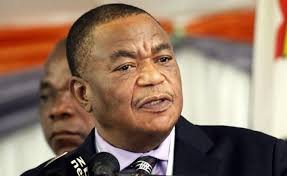
‘Southern Africa must harness natural resources for economic growth’
The Vice-President of Zimbabwe, Constantino Chiwenga, has emphasized the crucial need for Southern Africa to capitalize on its abundant natural resources to drive economic growth. This call to action comes at a time when developed nations are reaping the benefits of these resources.
Natural Resources: A Pillar for Economic Development
Southern Africa is rich in energy resources such as sunlight for solar power, significant hydropower potential, mineral reserves, gas deposits, and wind energy. These assets are essential for achieving sustainable economic development in the region.
SADC 2026 Sustainable Energy Week
Chiwenga made these remarks during the **SADC 2026 Sustainable Energy Week**, which is currently taking place in Victoria Falls. The event aims to bring together energy experts to discuss collaborative strategies for enhancing energy efficiency under the theme “Driving Regional Economic Growth through Clean Energy Efficiency.”
Unlocking Investment Opportunities
In his address, Chiwenga noted that platforms like Sustainable Energy Week are vital for unlocking investment opportunities, facilitating skill transfer, and driving transformative economic change. He stated, “We cannot remain behind while our God-given resources develop already industrialized nations.”
Engaging in the Fourth Industrial Revolution
Highlighting the urgency of the issue, Chiwenga stressed that Africa should not lag in the **Fourth Industrial Revolution**. With the world moving towards clean energy solutions, Africa must adapt and innovate to not only keep pace but lead in the energy transition.
The Role of Renewable Energy
The shift towards renewable technologies has made clean energy solutions more accessible and cost-effective. Many renewable technologies can now compete economically with traditional energy sources. Africa’s green economy is projected to create over 3.3 million direct and indirect jobs, emphasizing the importance of investing in renewable energy projects.
Investment Gaps and Future Goals
Despite these potential benefits, Chiwenga lamented that Africa currently receives only a fraction of the benefits from its vast resources. He asked whether the continent would continue to be a mere extraction zone or evolve into a value-earning industrial hub within the green energy sector.
“Africa possesses nearly 60% of the world’s top renewable energy resources,” he noted, “yet we have only harnessed a small portion of this potential, facing ongoing power shortages.” The energy sector currently experiences significant investment gaps, hindering its ability to maximize these resources for inclusive growth.
Regional Cooperation and Future Initiatives
This discussion coincides with announcements from Mines and Mining Development Minister Polite Kambamura, who has banned the export of lithium—an important strategic mineral for manufacturing rechargeable batteries. Such policies aim to enhance local economic benefit.
SADC Executive Secretary Elias Magosi called for greater investment in renewable energy across the region, citing infrastructure challenges and the impact of climate change as key issues that need addressing. He emphasized the necessity for regional collaboration to ensure no member state is left behind on the path to a resilient and energy-secure society.
Looking Ahead
The Sustainable Energy Week is organized by the **Southern African Development Community Centre for Renewable Energy and Energy Efficiency**, gathering policymakers, industry experts, and academics to deepen engagement on sustainable energy concerns. Looking forward, Eswatini is set to host the next Sustainable Energy Week in 2027, demonstrating a commitment to rotating the event among member states to foster regional dialogue on sustainable energy issues.
