

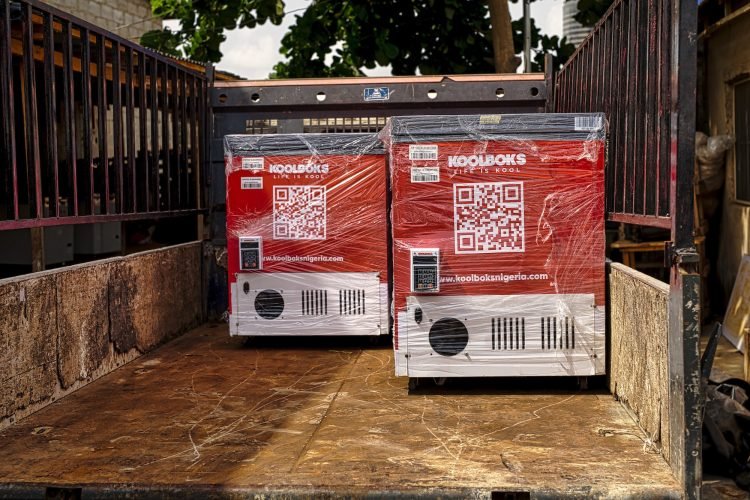
Electricity access in Africa is at an unprecedented high, with numerous governments and utility providers making significant strides to connect rural and underserved communities to power. Over the past two decades, total electricity production has surged by more than 100 percent. Nonetheless, the anticipated economic benefits from this access have often fallen short, mainly because merely providing electricity does not automatically translate into opportunities; that requires engaged individuals and communities.
As utilities struggle with debt, driven largely by consumption rates that don’t meet expectations, it’s clear that increased energy supply must be coupled with meaningful strategies. Leadership across the continent is essential to foster awareness and investment in both power systems and the complementary tools that enable communities to harness this energy for economic advancement.
The Missing Piece of Energy Access
Across the continent, many are already utilizing electricity for domestic purposes, small-scale enterprises, and agricultural operations. However, the limited availability of affordable and suitable appliances significantly hampers the potential of this access. Inefficient or absent appliances, like refrigerators for food preservation or pumps for irrigation, mean that available electricity is often underutilized. This creates an ever-expanding gap between electricity access and true economic opportunity.
Addressing this demand-side challenge is fundamental to CLASP’s mission. Over the last 25 years, this organization has worked in more than 90 countries, focusing on enhancing the efficiency, design, and financing of appliances through innovative research and practical solutions. Their recent report underscores the dual nature of the energy access gap, highlighting that addressing demand is as crucial as supply.
Prioritizing the distribution of efficient appliances alongside grid expansion is essential. Research indicates that improving appliance access could create an additional 342 terawatt hours of electricity demand annually, cultivating a $50 billion market, which could incentivize further investment in power infrastructure while mitigating climate impacts.
Redirecting approximately 15 percent of energy-sector investment towards improving appliance access in low consumption areas could bridge the existing gap without requiring a total overhaul of the energy system.
The Solution in Action
Cost represents a significant barrier to the widespread adoption of energy-efficient appliances in Africa. Utilizing grants and subsidies can significantly reduce financial risks for both manufacturers and consumers. When costs are lowered and awareness around the benefits of high-quality appliances increases, communities are more likely to invest in products that deliver dependable performance.
Governments in several African nations are beginning to recognize this necessity. For instance, Ghana has implemented mandatory energy performance standards and labeling policies in 2023, ensuring that only quality appliances enter the market. Similarly, initiatives in South Africa and Kenya have alleviated pressure on national grids, stabilizing electricity costs while preventing inefficient appliances from flooding local markets.
Through efforts such as deploying and promoting solar appliances, CLASP has demonstrated how locally driven, research-informed approaches can transform energy into opportunity. In Nigeria, solar-powered grain mills provide farmers, particularly women, with effective means to minimize harvest losses. In Kenya, solar refrigerators enable shopkeepers to store perishables effectively and maintain vital medical supplies in healthcare facilities lacking reliable electricity. Meanwhile, farmers in Ethiopia have gained affordable access to solar water pumps to enhance food production.
Despite the evident benefits these appliances can provide, access remains limited—not due to a lack of awareness regarding their value, but primarily due to prohibitive costs. However, when these costs are lowered, uptake is rapid, and economic impact follows swiftly.
Efficient Appliances as a Strategic Lever for Governments
Energy systems face numerous pressures, including climate change, rising living costs, and financial strains on utilities. As public resources become scarcer, governments are tasked with demonstrating that energy investments yield tangible economic returns.
Energy-efficient appliances serve as more than just energy savers; they represent a multifaceted tool for governments to address various national priorities. By enabling people to utilize electricity more effectively, they alleviate stress on national grids and enable utilities to delay or avoid costly infrastructure development. Resources saved on energy projects can be redirected into critical sectors such as health, education, and job creation.
Through initiatives like CLASP’s Productive Use Financing Facility, substantial benefits have been realized. This facility has expanded access to crucial measures such as solar refrigerators, water pumps, and milling tools across various energy contexts. More often than not, electricity becomes available years before it can enhance livelihoods; however, the deployment of efficient appliances ensures that this power translates into prosperity, job creation, and sustained engagement for the youth.
As Adam Farah, Ethiopia’s Deputy Prime Minister, stated during the Africa Energy Forum in December 2025, “It’s not just about generating more electricity; it’s about investing in smarter usage and channeling the savings towards other national priorities.”
However, accomplishing this requires assertive government action. Policies alone won’t ensure that efficient appliances reach those who need them. Through demonstrated investment in public assets, clear priority setting, and a commitment to long-term initiatives, successful adoption can follow. Lacking such leadership, countries risk constructing power grids that look good on paper yet fail to deliver meaningful economic improvements. Efficient appliances warrant the same attention as other infrastructural developments because they facilitate job creation, income generation, and economic viability.
Equity by Design
Expanding access to appliances also effectively dismantles barriers disproportionately impacting women. In many regions, women bear the brunt of tasks that electricity could streamline, such as food processing and water collection. When technologies like efficient refrigerators and water pumps become economically accessible, women free up valuable time and resources, reinvesting them into their families and businesses.
Research shows that in households where women gained access to tools through the Productive Use Financing Facility, average incomes soared by 94 percent. Women are not just passive beneficiaries; they play a pivotal role in Africa’s energy transition, influencing the dynamics of food production, trade, and local economic growth.
With a focus on funding initiatives and improved product standards, it is clear how the right appliances can revitalize communities. Governments benefit through more resilient utilities, enhanced employment opportunities, and better returns on energy investments, while donors and investors can support demand-driven markets where communities effectively leverage power. Utilities enjoy reduced stress and more dependable income streams, whereas manufacturers and distributors find lower-risk entry into emerging markets.
Collective action among these groups is crucial. Research from CLASP suggests that efficient appliances could contribute to 20 percent of the energy savings needed to double global efficiency by 2030—highlighting that strategic investment in appliances, policies, and practical solutions can simultaneously advance energy, climate, and economic objectives.
The journey into a brighter future starts with more than just electricity; it’s about leveraging that electricity for meaningful application. Across Africa, farmers, shopkeepers, and manufacturers are already realizing their potential. They are not waiting for flawless systems; they are eager for the tools to utilize energy effectively. If energy investments are genuinely aimed at creating jobs, improving livelihoods, and enhancing economies, then the provision of access alone is insufficient. Efficient appliances are the essential link to bridging access and opportunity, and crossing this divide is imperative.
