

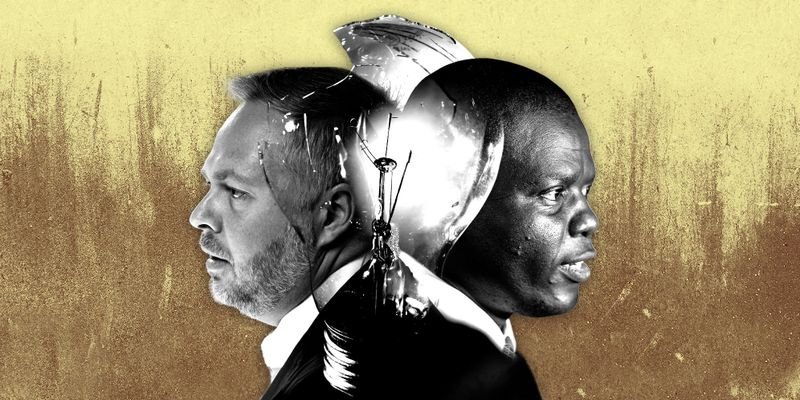
In a political landscape often marred by the weight of historical events, the quest for fresh ideas can feel dishearteningly elusive. Recent discussions reveal that, despite the emergence of vibrant new voices, meaningful innovation in political thought remains scant.
Last week, Daily Maverick highlighted a group of promising young political leaders, generating hope amidst a backdrop dominated by seasoned figures. While their youth brings a hint of optimism for transformative change, the reality is that many of these leaders are tied to established parties that seem to perpetuate outdated ideologies.
The Wave of Young Leaders
The introduction of younger politicians indicates a potential shift towards progressive thinking. For instance, figures like Leon Schreiber, the Minister of Home Affairs, have implemented innovative governance strategies. Similarly, Ronald Lamola, the Minister of International Relations and Cooperation, offers fresh perspectives on various matters.
However, these strides are often overshadowed by the lack of original ideas within the parties they represent. Even within more energetic factions, such as the Patriotic Alliance, youthful enthusiasm does not translate to groundbreaking policies, as seen with Ashley Sauls, whose positions align more with established dogmas.
Why New Ideas are Scarce
The underlying issue is multifaceted. First, there is a prevailing sense that “there are no new ideas” and that much of modern thought echoes what has been previously conceived. This sentiment, although not entirely accurate, highlights the challenge of generating genuine insights within political discourse. In rare instances, transformative ideas do surface, yet they are often eclipsed by entrenched ideologies and historical context.
This stagnation is exemplified by events from the 1990s, a time characterized by a fervent exchange of fresh ideas as South Africa transitioned away from apartheid. However, as new parties gained power, the momentum for innovative thinking diminished. In contrast, in recent years, leaders like Zohran Mamdani have emerged in places such as New York, introducing unprecedented governance approaches, reminding us that change is possible when the environment allows for it.
Historical Context and Political Dynamics
Political history shapes current dynamics significantly. In South Africa, racial inequality continues to cast a long shadow, influencing party lines and voter behaviors. For instance, recent remarks by MK’s Des van Rooyen concerning race relations underscore lingering tensions rooted in apartheid history, illustrating how these issues redirect political conversations.
The current prevalence of coalition governments further complicates the landscape for innovative ideas. The collaborative nature of governance means that aligning on new policies is often cumbersome, making the introduction of fresh ideas increasingly challenging.
Moreover, insecurity in turbulent times typically drives parties to lean towards familiar, traditional values rather than embracing new paradigms. This intrinsic conservatism can stifle innovation, locking society into outdated frameworks.
Encouraging Change in Political Thought
Despite these challenges, the emergence of younger leaders is indeed a cause for optimism. It is crucial not only to support their growth but also to cultivate an environment that fosters novel ideas. By encouraging fresh perspectives and innovative policies, the political sphere can become a dynamic platform for change, moving away from historical constraints.
By focusing on nurturing both leadership and innovative thinking, there lies the potential for a revitalized political landscape equipped to tackle present and future challenges effectively. DM
