

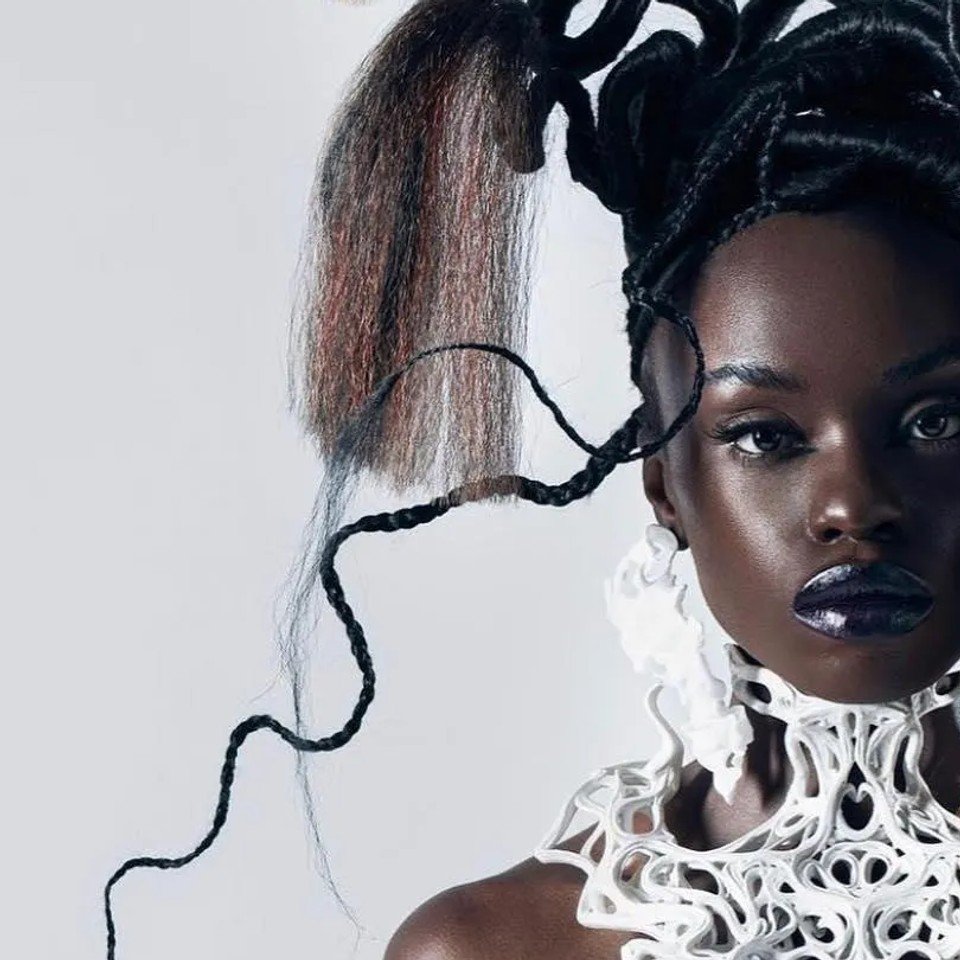
Celebrating Hair Sculpting: An Artistic Journey Through Identity and Expression
Introduction to Hair Sculpting as an Art Form
Hair sculpting has transitioned from a traditional symbol of cultural identity to a recognized art form. Rooted deeply in African heritage, it has expanded into a diverse array of self-expression. This evolving landscape of hairstyling is expertly captured by celebrity hairstylist Fesa Nu, who has styled the tresses of numerous A-list celebrities, including Alicia Keys and Chloe Bailey. Her expertise not only showcases the artistry of hair but also highlights its transformative power.
The Journey to Becoming a Hairstylist
Fesa Nu discovered her passion for hairstyling at a young age. Growing up with her father, who was unfamiliar with hair care, she became determined to learn the craft. Her inspiration was ignited by a close friend whose consistently stylish hair encouraged Fesa to mimic and innovate styles. Over time, she honed her skills, creating intricate freestyle braids that became a signature among her peers.
Fesa Nu recalls, “I was so intrigued by her creativity. I studied her techniques on myself until I got better, and eventually began doing hair on people at school.”
Fesa Nu: The Definition of a "Hair Poet"
Embracing the title of “hair poet,” Fesa Nu combines her love for creativity with hairstyling. This unique perspective allows her to view hairstyling as a form of poetry.
“I feel poetry each time I’m able to create from scratch,” she explains. “Hair poetry is how I am set apart from hair styling. I want people to understand the difference when booking me.”
This artistic lens not only distinguishes her work but also enriches the experience for her clients.
Cultural Significance and Representation in Hairstyling
Fesa Nu draws inspiration from the rich tapestry of African culture, and for her, it’s about more than aesthetics. It’s a powerful medium for cultural exchange and representation.
“I believe it can break down stereotypes and help people appreciate our culture through the art of hair,” she emphasizes. “Africa holds a significant amount of creativity starting with hair art, and the meanings behind certain styles are crucial to understand.”
This representation fosters a deeper appreciation for the rich narratives that hairstyles convey.
Balancing Artistic Expression with Emotion
Creating hairstyles is not merely a technical endeavor for Fesa Nu; it’s an emotional journey. She describes how she allows her feelings to guide her creative process.
“My mind tends to wander a lot when I’m creating, which has always been advantageous,” she shares. “It allows me to envision what I want to see at that moment.”
This delicate balance between creativity and emotion enhances her artistry, leading to hairstyling that is both visually striking and personally meaningful.
Redefining Women’s Relationship with Hair
Fesa Nu believes shifting the narrative around beauty standards is essential.
“I would change the idea we have about what’s considered the beauty standard,” she asserts. “We should be more gentle with each stage we go through with our hair, as each phase tells a story.”
Recognizing the journey of hair growth and styling is vital to foster self-acceptance and appreciation.
Conclusion
Hair sculpting is more than just a beauty practice; it serves as a profound form of art and self-expression that can challenge stereotypes and celebrate cultural heritage. Fesa Nu embodies this ethos, transforming hair into a canvas where creativity, culture, and personal narrative intertwine. As we appreciate the artistry behind hairstyling, we are reminded of the stories that each strand of hair can tell.
For more inspiration, discover the world of hairstyling trends and learn how to embrace your natural beauty with helpful haircare tips.
Enhance your understanding of hairstyling and its cultural significance, celebrating the artistry that empowers every individual.
