

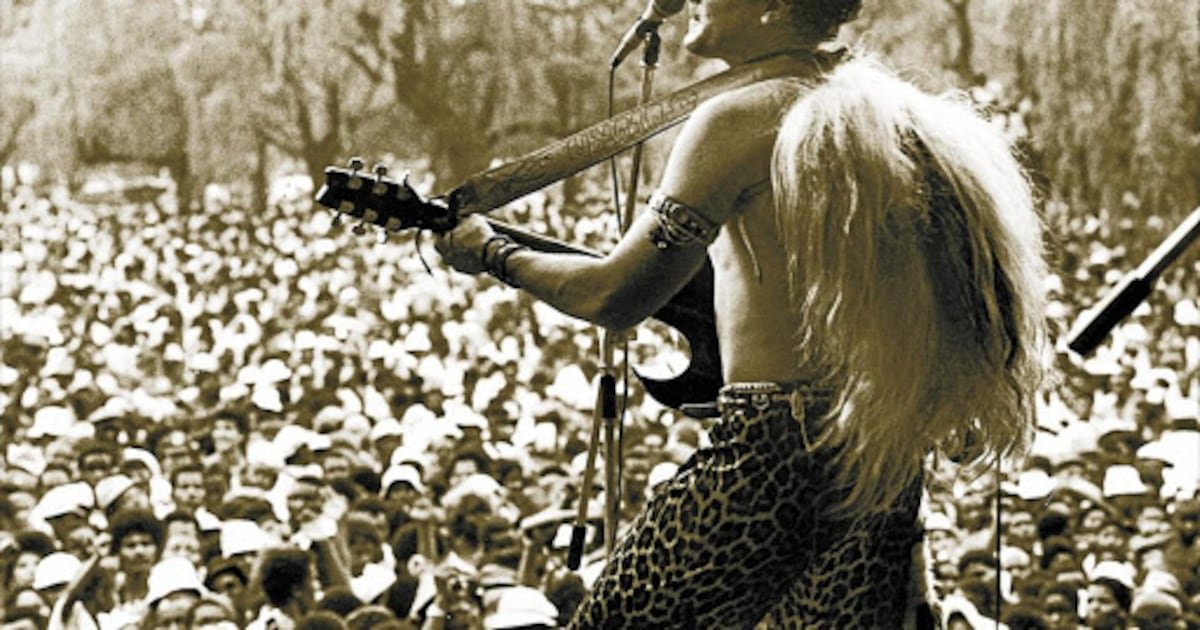
The Legacy of Johnny Clegg: A Harmonious Tribute Amidst Cultural Tensions
A few weeks following the winter solstice, on the afternoon of July 17, 2019, around an hour before sunset, the haunting sound of isiZulu chanting echoed throughout the Jewish section of Westpark Cemetery in Johannesburg. A intimate group of fewer than 30 mourners gathered beside a freshly dug grave, where the late afternoon sun filtered through the poplar trees, casting light on a plain pine casket—a fitting tribute to the pragmatic life lived by Jonathan Paul Clegg, OBE, OIS.
As the ceremony unfolded, Sipho Mchunu, Johnny’s long-term musical partner, delivered a heartfelt eulogy, invoking Zulu praise names. “Hawu! Umfowethu! Skeyi jikel’eshobeni …” His words served to honor Johnny, a beacon of hope and unity who had witnessed the subjugation of a nation and its subsequent transformation into the rainbow nation. Mchunu and Clegg’s 50-year relationship transcended music; it was a profound exploration of identity amidst the struggles of apartheid.
Connecting Two Cultures
As the solemn ceremony continued, the men among the gathered mourners honored Johnny by shoveling earth onto the lowered coffin. In a poignant moment, his sons, Jesse and Jaron, recited the Kaddish, the traditional Aramaic prayer for the deceased, surrounded by spiritual and emotional resonance. This gathering of two communities—distinguished by faith, history, geography, and ideology—presented a beautiful example of how art transcends boundaries.
Johnny Clegg’s identity was characterized by a multicultural spirit, a pursuit of unity in shared human experiences. His collaborations with Mchunu not only spotlighted their artistic pursuits but also reflected the socio-cultural dynamics of South Africa. This provides a compelling lens through which we can examine the evolution of their relationship and its broader societal implications.

The System of Apartheid and Cultural Segregation
Their unlikely friendship began in 1969 under the shadow of apartheid’s harsh regulations which maintained stringent cultural and racial segregation. Sipho Mchunu, a migrant laborer, met Johnny Clegg while working in Johannesburg’s affluent Houghton neighborhood. Through this connection, Mchunu introduced Clegg to the complexities of Zulu music and cultural expression. Despite their differing backgrounds, the two developed a strong partnership.
The apartheid regime had intentionally constructed a system of racial separation, aiming to extinguish African cultural expressions. Censorship was rampant; songs and performances were scrutinized to preserve the hegemonic narrative of the governing bodies. Johnny and Sipho, through their music, formed a counter-cultural resistance against this systemic oppression, as they bridged their worlds through art.

A Cultural Fusion: Music as Resistance
Johnny Clegg and Sipho Mchunu’s music became a transformative force, blending Zulu melodies with Western musical elements, forging a unique expression that resonated with audiences across South Africa. Despite chronic challenges, including censorship, their song “Woza Friday,” which was banned for violating language purity rules, ultimately gained immense popularity. Johnny often recounted the ironic twist where the song became a hit on Radio Sotho—highlighting how cultural narratives can transcend oppressive frameworks.
Their partnership not only resonated through melodies but through a deep understanding, overcoming initial communication barriers. Mchunu expressed, “We sensed one another in the eyes…the feeling is more important.” This bond exemplified a synthesis of cultures, creating a space for dialogue and shared values in a divided society.

Conclusion: A Lasting Influence
The artistic union between Johnny Clegg and Sipho Mchunu is more than a mere collaboration; it signifies a movement towards understanding and healing through music at a tumultuous time in South African history. Their legacy persists, reminding us of the transformative potential of art and the power of cultural exchange in overcoming societal divides.
For those wishing to delve deeper into Clegg’s music and its cultural implications, refer to articles on BBC Culture and the review of his final concerts on The Guardian.
