

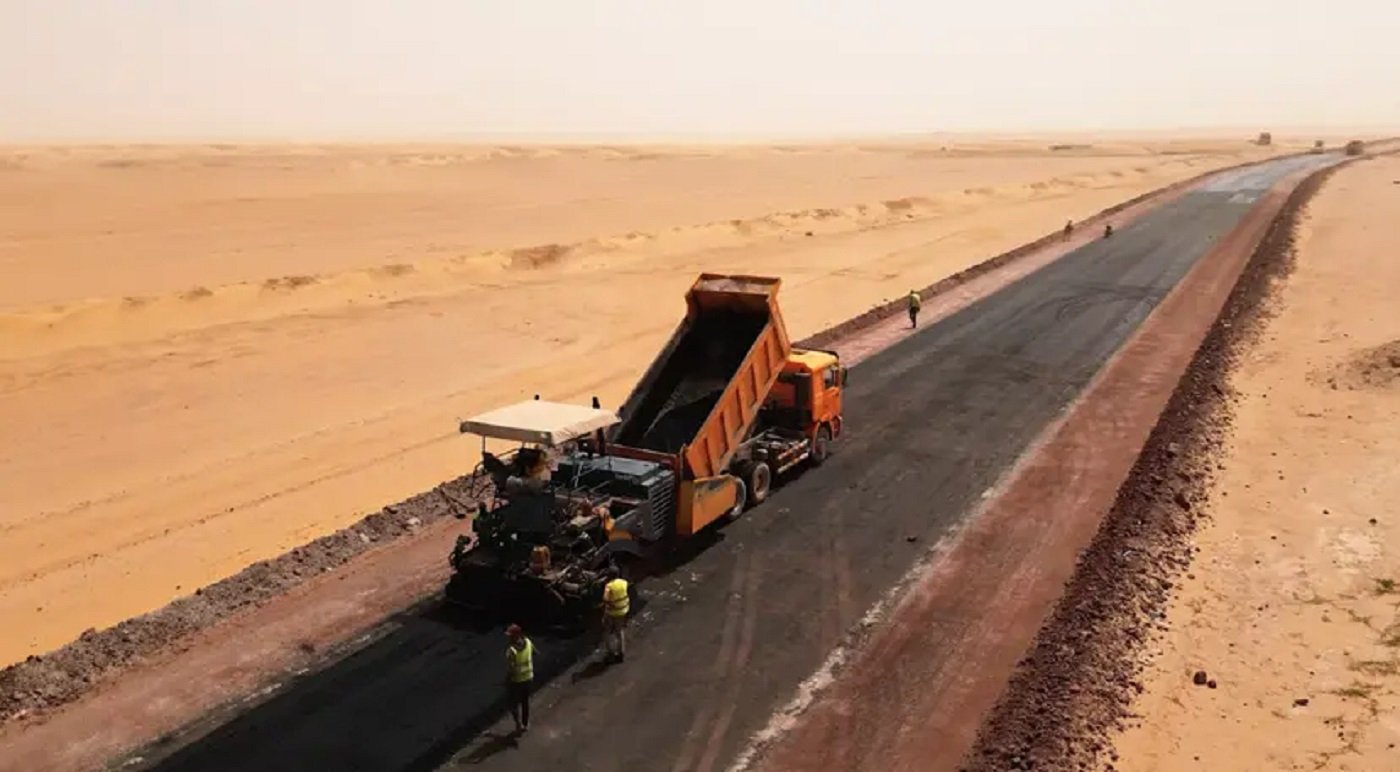
Tunisia’s Strategic Land Trade Corridor: Bridging North Africa and the Sahel
Tunisia is advancing a transformative land trade corridor aimed at connecting North Africa to the Sahel. This ambitious project is designed to position Tunisia as a pivotal gateway between the Mediterranean and sub-Saharan Africa.
The Corridor’s Key Connections
The proposed corridor will link the Ras Jedir border crossing with Libya to vital routes extending to Niger, Mali, Burkina Faso, Chad, and the Central African Republic. This initiative is being developed in collaboration with Libyan authorities to forge a continuous land trade axis that taps into the landlocked markets of the Sahel.
Economic Integration and Export Optimization
During the recent Tunisia–Niger Business Forum, Tunisia’s Minister of Trade, Samir Abid, emphasized that the corridor would significantly reduce export costs and time while enhancing logistical capabilities. This strategic move aims to foster African economic integration.
Trade Enhancement Under AfCFTA
This corridor is part of Tunisia’s broader strategy to deepen economic ties with sub-Saharan Africa, particularly under the framework of the African Continental Free Trade Area (AfCFTA). Abid pointed out that Tunisia has successfully conducted nearly 400 export operations to African markets, focusing on key sectors such as mechanical and electrical components, textiles, and agro-food products.
Focus on Niger
Despite these accomplishments, officials from Tunisia and Niger noted the need to enhance and structure their commercial relationship, as bilateral trade remains limited. They recognized the untapped potential in Niger’s market, coupled with Tunisia’s robust industrial capabilities. Both nations agreed on the importance of diversifying exports, establishing industrial partnerships, and facilitating investment.
A Growing Market Opportunity
The Sahel region, with a population exceeding 150 million, represents substantial opportunities for growth, particularly as countries like Niger, Mali, and Burkina Faso seek alternative trade routes amid shifting regional alliances. With the implementation of this corridor, Tunisia aims to boost its trade dynamics significantly.
Aligning with Regional Trends
This trade corridor corresponds with broader trends in the region, including the emergence of the Sahel States Alliance and efforts by Sahelian nations to diversify their trade partners. By offering a streamlined land route to Mediterranean markets, the corridor could diminish reliance on West African coastal ports and reduce delivery times, which currently extend from two to three weeks.
Overcoming Challenges
However, this initiative is not without its challenges. Security concerns in southern Libya and parts of the Sahel, along with existing infrastructure deficits, will necessitate significant investment—potentially billions of dollars—devoted to upgrading roads, logistics systems, and border facilities.
Conclusion: A Transformative Vision
If the corridor is successfully realized, it could substantially lower transportation costs and enhance intra-African trade, which currently accounts for only about 15% of Africa’s total trade. Moreover, it positions Tunisia as a critical hub in the continent’s evolving trade network, paving the way for a more interconnected Africa.
