

Transforming Homes into Art Galleries: The Maboneng Township Arts Experience
In the heart of Alexandra Township, Johannesburg, an innovative cultural movement is redefining how art is experienced. Residents have turned their houses into vibrant galleries showcasing local talent, inviting visitors to discover South Africa’s rich artistic heritage. This initiative, known as the Maboneng Township Arts Experience, blends community, creativity, and tourism in a unique manner.
A Home for Art
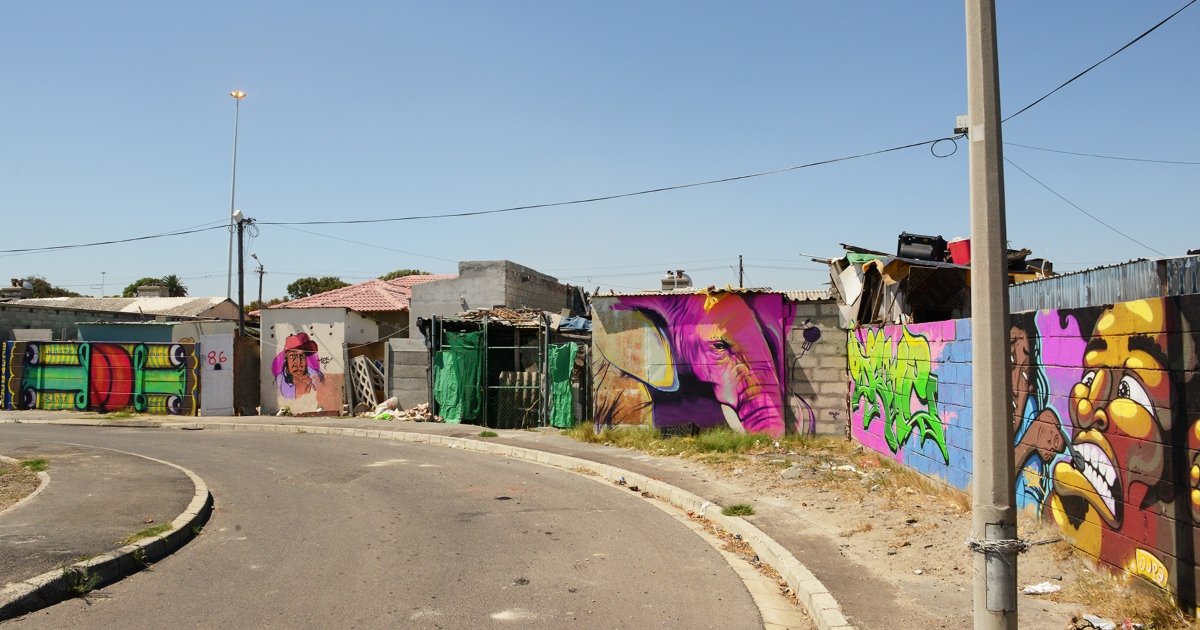
What initially began as a solution for local artists lacking exposure has blossomed into a thriving cultural hub. Homes are now transformed into intimate galleries where paintings, sculptures, and photographs tell the stories of their creators. Instead of stiff gallery settings, visitors are welcomed into warm, lived-in spaces that reflect the essence of South African culture.
This living gallery experience has turned the once quiet streets of Alexandra Township into a cultural destination, enriching both the lives of residents and visitors alike.
From Challenge to Opportunity
The Maboneng Township Arts Experience originated from a simple challenge: many talented artists found it difficult to secure space in conventional galleries, often left on long waiting lists. Rather than waiting for opportunities, local artists took matters into their own hands by showcasing their works in available spaces—right in their neighborhoods.
As residents embraced the idea, these exhibited homes provided not just shelter from harsh weather conditions but also created warm, engaging environments for art appreciation. Today, guided cultural tours allow visitors to immerse themselves in the local art scene, interact with residents, and savor authentic South African music and cuisine.
Culture as a Community Economy
The beauty of this initiative lies in its dual approach: it fosters artistic expression while generating income for community members. Homeowners earn revenue by welcoming tourists into their gallery spaces, while residents act as guides, drivers, performers, and storytellers. Artists, in turn, gain direct exposure and opportunities to sell their work.”
This dynamic model reflects a significant trend across Africa’s creative economy. Locally-driven initiatives are empowering communities and establishing new avenues for economic growth. According to UNESCO, Africa’s cultural and creative sectors contribute billions to the continent’s economy, employing millions of people.

Immersive Cultural Experiences
For travelers, the Maboneng experience goes beyond traditional sightseeing. Visitors engage directly with local artists in their studios, listen to live music, and delve deeply into the stories behind each artwork. This immersive approach transforms ordinary visits into meaningful cultural exchanges, reshaping perceptions of townships and showcasing the creativity and resilience of African communities.
Envisioning Greater Futures
The overarching goal of the Maboneng initiative is ambitious yet straightforward: to actively transform townships into vibrant cultural hubs through arts and tourism. By repurposing existing homes and tapping into local talent, communities can foster robust tourism ecosystems without the need for extensive infrastructure investments.
This model emphasizes the significance of storytelling in crafting Africa’s narrative. Artists, entrepreneurs, and cultural leaders across the continent are continually innovating ways to celebrate their heritage while forging paths toward future opportunities.

A New Dawn for Africa’s Cultural Landscape
Africa’s cultural landscape is undergoing rapid evolution. From music to visual arts, creative industries are shaping how the world views the continent. Community-driven projects like the Maboneng Township Arts Experience illustrate how art can bolster local economies while celebrating cultural identity and heritage.
In neighborhoods like Alexandra Township, homes transform into galleries, streets evolve into cultural corridors, and communities welcome a new wave of travelers seeking genuine experiences. This initiative stands as a testament to the fact that the most inspiring cultural destinations often arise not from grand institutions, but from the very heart of local communities.
