

Accelerating Agrifood System Transformation in Africa: Insights from the FAO Regional Conference
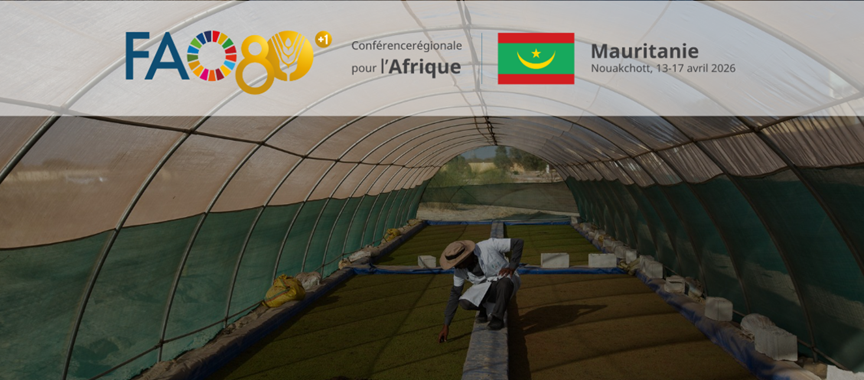
From April 13 to 17, 2026, Nouakchott will be the focal point for the 34th Session of the Food and Agriculture Organization of the United Nations (FAO) Regional Conference for Africa. This essential meeting will gather agriculture ministers, experts, international organizations, private sector stakeholders, and civil society to tackle a pressing global challenge: the transformation of agrifood systems amid a food and nutrition crisis.
The Context of the Conference: Addressing Challenges in African Food Systems
This FAO conference serves as the continent’s highest governing body focused on agriculture, set against a backdrop of significant food system pressures. Africa’s food systems are grappling with rapid population growth, degradation of natural resources, global market instability, and intensifying climate shocks.
A Persistent and Structural Food Crisis
According to the State of Food Security and Nutrition in the World (SOFI) 2024 report published collaboratively by the FAO, IFAD, UNICEF, WFP, and WHO, approximately 735 million people were affected by hunger globally in 2023, with a substantial portion in Africa. Despite ongoing efforts, the situation remains dire, warranting urgent action.
"Transforming agrifood systems is essential to ensure global food security and improve resilience to crises." – Qu Dongyu, FAO Director-General
Africa continues to face alarming levels of food insecurity, with the prevalence of undernourishment exceeding the global average. The FAO has consistently stressed that the current trajectory is incompatible with achieving the Zero Hunger goal by 2030.
Agrifood Systems Under Pressure
African agricultural systems largely rely on rain-fed farming, rendering them susceptible to climatic fluctuations. Recurrent droughts in the Horn of Africa and Southern Africa, along with floods in parts of West Africa, disrupt agricultural cycles and affect productivity. Moreover, the FAO estimates that post-harvest losses can reach 30-40% in certain agricultural value chains, due to inadequate storage, transport, and processing facilities.
These losses exacerbate food insecurity and hinder farmers’ incomes, limiting their capacity to reinvest in agricultural production.
Climate Change: A Risk Multiplier
Climate change represents a crucial factor in amplifying food insecurity in Africa. According to the IPCC, the continent is among the most vulnerable regions to climate impacts, despite contributing minimally to global emissions. Extreme weather events disrupt agricultural productivity by affecting planting seasons and decreasing the availability of water and land for farming.
Opportunities: Untapped Agricultural Potential
Despite these challenges, Africa possesses significant agricultural potential. The World Bank estimates that the continent holds nearly 60% of the world’s remaining uncultivated arable land, providing immense opportunities for transformation if investment is prioritized.
The emergence of agricultural technologies (agritech), digital finance, and climate information systems is paving the way for improved productivity and resilience among smallholder farmers. Digital platforms are enhancing access to credit, markets, and weather data, effectively mitigating agricultural risks.
Investment and Structural Transformation
For a successful transformation of agrifood systems, the FAO emphasizes the need for substantial and coordinated investment. The rural infrastructure gap is a key barrier to agricultural competitiveness. The FAO’s 2022–2031 Strategic Framework advocates an integrated approach, focusing on four elements: better production, better nutrition, better environment, and better life—ensuring no one is left behind.
Governance and Regional Integration
In addition to investment, effective governance of food systems is vital. Cross-border issues such as pests, animal diseases, and agricultural trade challenges demand increased regional collaboration. FAO regional conferences play a critical role in harmonizing agricultural policies and aligning responses to global food system challenges.
An Unavoidable Transformation
Analysis confirms that achieving food security necessitates a structural transformation of agrifood systems. The focus has shifted beyond merely increasing production to include reducing losses, enhancing local processing, building climate resilience, and integrating smallholder farmers into value chains.
The upcoming conference in Nouakchott underscores a global priority: evolving African food systems towards greater sustainability, efficiency, and resilience to meet the rapidly growing demand for food in the coming decades.
By tackling these central issues head-on, the FAO Regional Conference for Africa aims to lay the groundwork for a rejuvenated agrifood landscape capable of ensuring food security and boosting resilience across the continent.
