

Your Ultimate Guide to Choosing the Perfect Juicer
Juicing at home can be a delightful and healthy habit, but picking the right juicer can make or break your experience. Here’s a comprehensive guide focusing on essential features to consider before making a purchase.
Types of Juicer Feed Tubes
When it comes to juicers, understanding the style of the feed tube is crucial. There are primarily two types: horizontal and vertical.
- Horizontal Juicers: These models allow you to feed fruits and vegetables from the left side, while juice is extracted from the right. They have been around longer but are generally slower in performance.
- Vertical Juicers: Designed for top-down food feeding with juice collected at the bottom, these juicers are typically easier to set up and clean. Their larger feed tubes often enhance the entire juicing process.
Size of the Feed Tube
The size of the feed tube directly affects how much preparation work you’ll need. There are three common sizes:
- Standard Feed Tubes: Typically narrower, these require more chopping and prep before juicing, often found in horizontal models.
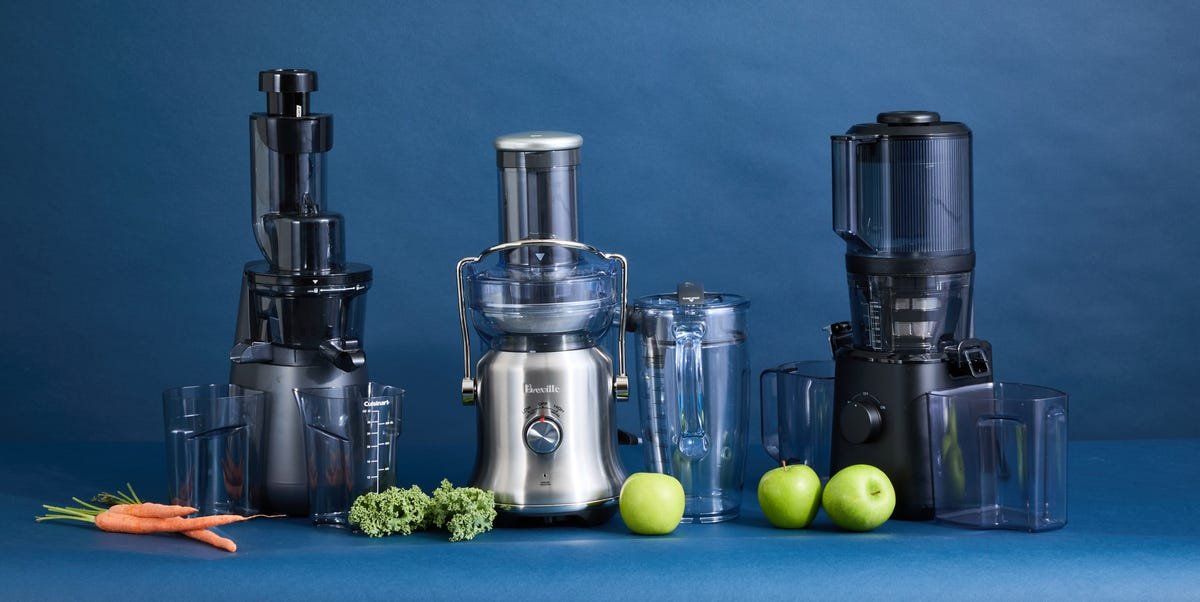
- Wide-Mouth Feed Tubes: Found in models like Breville and Cuisinart, these accommodate larger pieces and may include sections for thinner items like celery for efficient juicing.
- Self-Feeding/Batch Hoppers: Found in select masticating juicers, these allow loading multiple fruits or vegetables at once, promoting hands-free juicing, as in the Nama J2 Cold Press Juicer.
Juice Pitchers and Pulp Containers
While most juicers include containers for juice and pulp, quality varies significantly. Opt for juicers where pitchers and pulp containers can nest for easier storage. A juice pitcher equipped with a spout, handle, and measurement markings enhances your overall juicing experience.
Pour Spout Stopper
A built-in pour spout stopper is a convenient feature, controlling juice flow and preventing spills when the juice pitcher is not directly under the machine. It also helps blend the juice components before serving, ensuring an even mix.
Useful Accessories
Accessories can greatly enhance a juicer’s versatility. For instance, different-sized strainers enable you to adjust the pulp levels in juices and smoothies. A fine strainer provides a smooth juice finish, while larger holes allow some pulp for added fiber. Some juicers can even make sauces, nut butter, and pasta, making them incredibly functional.
Cleaning and Maintenance
Cleaning juicers can be challenging due to their multiple components. Look for models with dishwasher-safe parts and include cleaning brushes to reduce post-juicing cleanup time. Some units even offer specialized brushes for hard-to-reach spots.
Power of the Juicer
When choosing juicers, particularly centrifugal ones, consider their wattage. Models with 1,000 watts or more are typically necessary for tough ingredients like celery. Lower wattage may lead to overheating issues during operation. For masticating juicers, focus on the force used rather than wattage, as they crush and press to extract juice.
Warranty and Reliability
Juicers can be a significant investment. Checking the warranty is crucial for long-term satisfaction, ensuring you’re covered in case of defects or malfunctions.
By understanding these features and considerations, you can make an informed choice when purchasing a juicer, ensuring your home juicing experience is both enjoyable and successful!
