

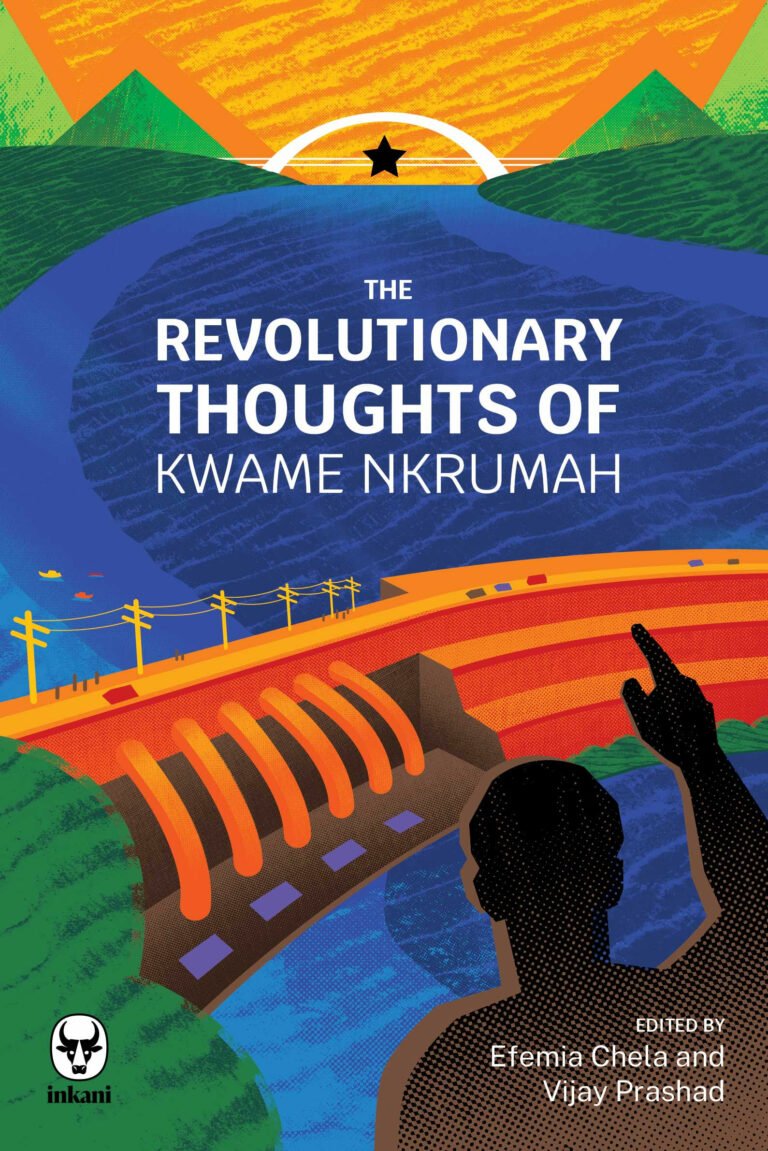
Discovering Kwame Nkrumah’s Revolutionary Thoughts
Kwame Nkrumah is celebrated as one of Africa’s visionary leaders, with insights that resonate profoundly in today’s developmental discourse. His recently published book, The Revolutionary Thoughts of Kwame Nkrumah, serves as both a historical document and a contemporary guide, shedding light on Africa’s ongoing challenges and its path forward.
Timeless Ideas for Africa’s Future
Nkrumah expressed concerns decades before today’s development policies took shape, highlighting the importance of intra-African trade, industrialization, and reducing reliance on foreign intervention. The collection includes powerful speeches from the 1950s and 1960s, a pivotal time for Africa’s liberation, and these thoughts remain relevant in addressing modern socio-economic dilemmas.
Anticipating Future Challenges
Nkrumah foresaw that political independence would be hollow without economic sovereignty. He cautioned that merely achieving independence could lead to new forms of control, reinforcing the relevance of his critiques of neo-colonialism and structural dependency that resonate in current discussions about Africa’s development.
Unity as a Path to Prosperity
One of Nkrumah’s most critical arguments is the necessity of continental unity. He believed that the fragmented economies inherited by newly independent states would be unable to thrive in isolation. Through economic integration, Africa could strengthen its industries and enhance its collective bargaining power on the global stage.
Contemporary Significance of Nkrumah’s Vision
Initiatives like the African Continental Free Trade Area echo Nkrumah’s vision, aimed at establishing a unified market to facilitate trade and growth. His beliefs in coordinated economic strategies remain relevant today and underscore the critical need for Africa to leverage its resources collectively.
The Personal Dimension of Leadership
Nkrumah’s journey in the political arena is intertwined with profound personal experiences, particularly highlighted during his coup in 1966. His reflections bring to light the human cost of revolutionary leadership, illuminating the abrupt transition from a celebrated leader to an exiled figure. The book captures the unpredictable nature of political power, revealing both the vulnerabilities and strengths of its leaders.
A Historical Reminder for Contemporary Africa
The Revolutionary Thoughts of Kwame Nkrumah transcends its role as a mere compilation of speeches. It serves as a powerful reminder that many challenges, such as economic fragmentation and the need for industrial reform, were identified long ago. This retrospective examination encourages readers to reflect on the path Africa has undertaken since its liberation.
Conclusion: Revisiting Nkrumah’s Legacy
As readers engage with Nkrumah’s thoughts, they are invited to consider the unfinished business of Africa’s development. His insights prompt critical reflections on the potential paths forward while demonstrating how his foundational ideas of Pan-Africanism continue to be vital in addressing current issues. The book stands as not just a historical record but as a guiding framework for a continent still in quest of its true independence.
The Revolutionary Thoughts of Kwame Nkrumah is published and distributed by Inkani Books.
