

The Dual Nature of Anonymity in the Modern World
“Better the martyrdom of obscurity than the treachery of fame.” —Author Unknown
In our contemporary society, anonymity plays a complex role. While some individuals exploit the protective shroud of obscurity, others seek recognition and fame, highlighting the contradictory nature of our digital existence.
Anonymity Amidst Outrage Culture
We navigate an era where anonymity reigns supreme. Keyboard warriors and internet trolls express outrage from behind their screens, while masked protesters often conceal their identities during clashes with authorities. This trend extends to artistic realms, with pseudonymous authors and reclusive creatives hiding behind their works, choosing obscurity over exposure.
The internet allows people to engage in behaviors they’d prefer kept hidden, as public records are increasingly redacted and nondisclosure agreements proliferate. Yet, alongside this trend of secrecy, there exists a fervor for self-promotion. Individuals feel pressured to present themselves “on” and in a perfect light, showcasing a curated version of their lives.
The Paradox of Visibility and Privacy
The tension between visibility and privacy is palpable. T.S. Eliot’s depiction of the human condition in The Love Song of J. Alfred Prufrock captures this struggle when he laments preparing a face to meet the world. Today, this is exemplified by meticulously edited selfies and AI-generated headshots, reflecting a world where even the desire for privacy feels increasingly elusive.
Banksy: The Enigma of Anonymity
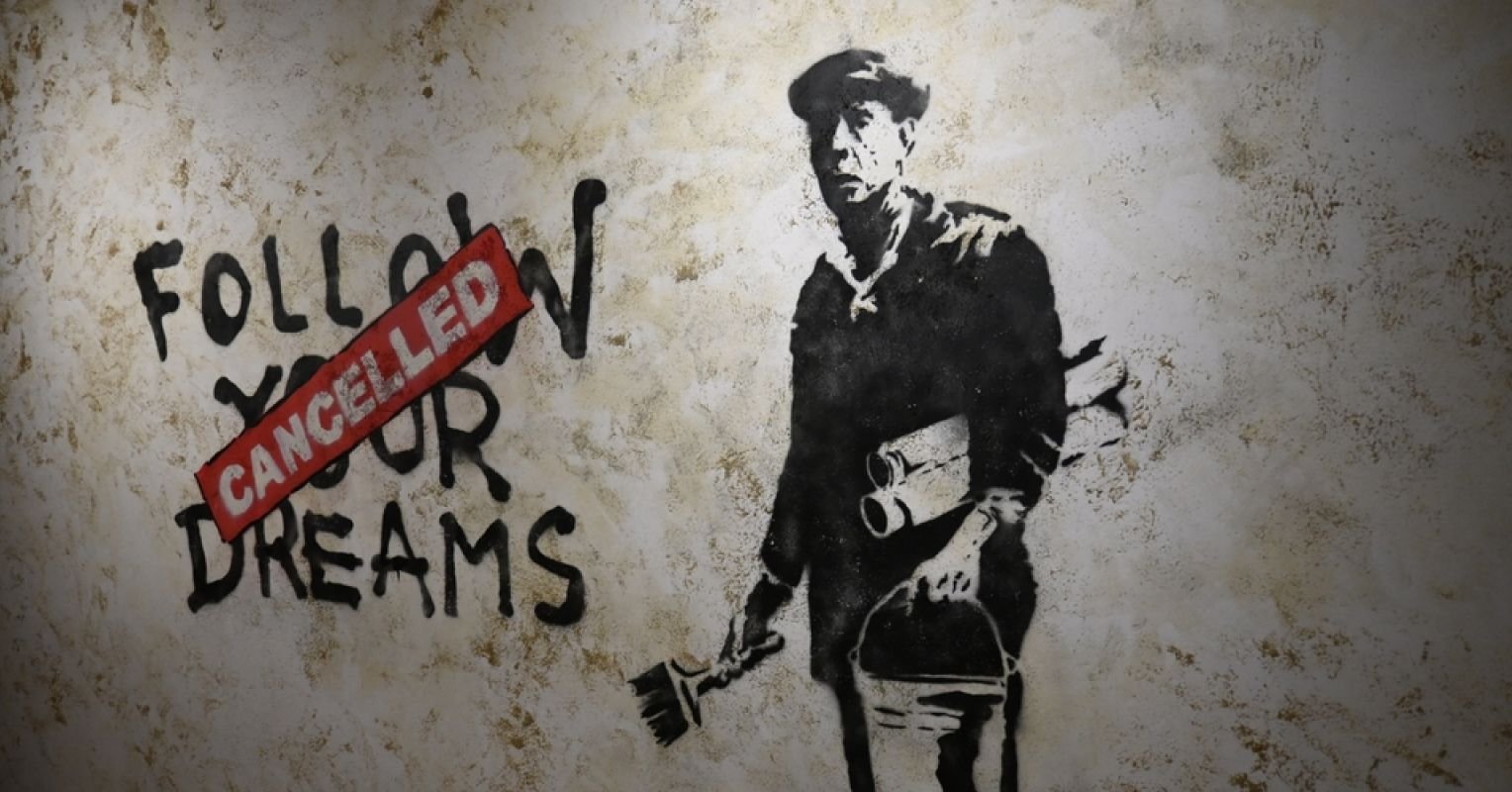
A notable case study within this conversation is street artist Banksy, whose true identity has remained a mystery for over three decades. Recently, investigative journalism by Reuters claimed to have unmasked this elusive figure, citing a public demand for transparency regarding his influential work in culture and politics.
This pursuit of an artist’s identity raises an essential question: does uncovering these secrets truly satisfy our curiosity, or are some mysteries better left intact? This dilemma echoes the broader societal fascination with anonymity, especially when it comes to artistic expression.
The Complex Motivations for Artistic Anonymity
Why would artists, such as Banksy, choose to remain anonymous despite the potential for adulation? For street artists, anonymity often serves as a crucial protective measure against legal repercussions, especially given the nature of graffiti as vandalism.
However, the motives for remaining nameless extend beyond legal concerns. Anonymity can empower artists to express themselves freely, explore contentious themes, and allow their work to exist independently from their personal narratives. By choosing pseudonyms, creators can focus attention on their art rather than their personal lives or reputations.
The Invitation of Anonymity
Moreover, anonymity invites audiences to engage more deeply with the work itself. It evokes a sense of mystery, suggesting that art transcends the identity of the creator. In a culture obsessed with celebrity, anonymous artists remind us of the profound layers inherent in artistic creation.
The yearning for complete transparency undermines this artistic mystery, as it shifts the focus from appreciation to analysis.
The Duality of Anonymity: Challenges and Opportunities
The dual nature of anonymity raises further questions about its value. Anonymity can serve as a shield against critique or as a means to provoke thought. However, when artists benefit financially from their hidden identities, the line between protection and exploitation blurs.
The allure of anonymity lies in its ability to foster intrigue and challenge audiences. Yet, it can also lead to frustration when art is perceived as inaccessible. In this light, anonymity forces us to confront our limitations—both in knowledge and in understanding the creative process.
Conclusion: Embracing the Complexity of Anonymity
Anonymity, while often regarded with skepticism, can be a source of liberation and creativity. It can enhance the impact of art, shifting the focus from the creator to the creation itself. The intricate dynamics of anonymity in our digital age reflect a broader struggle between the desire for privacy and the societal inclination towards exposure.
This intricate balance invites us to contemplate the foundational elements of art and the human experience, ultimately enriching our engagement with the world around us. In a landscape defined by contradictions, the exploration of anonymity offers profound insights into creativity, identity, and the nature of human connection.
