

Food Insecurity in Tunisia: A Growing Crisis
Since the late 2010s, food insecurity has escalated into one of Tunisia’s most pressing socioeconomic issues. Initially perceived as a challenge stemming from poverty and regional inequalities, the situation has transformed into a structural crisis driven by climate change, governmental failures, and an increasing reliance on imports, including informal channels from Algeria. While persistent environmental challenges such as drought since 2017 have significantly contributed, they alone do not encapsulate the crisis’ complexities. A fiscal downturn, limited access to international funding, and ineffective agricultural policies have compounded shortages of basic food items, placing additional strain on rural communities and deepening dependence on Algeria.
Climate Challenges and Rural Livelihoods
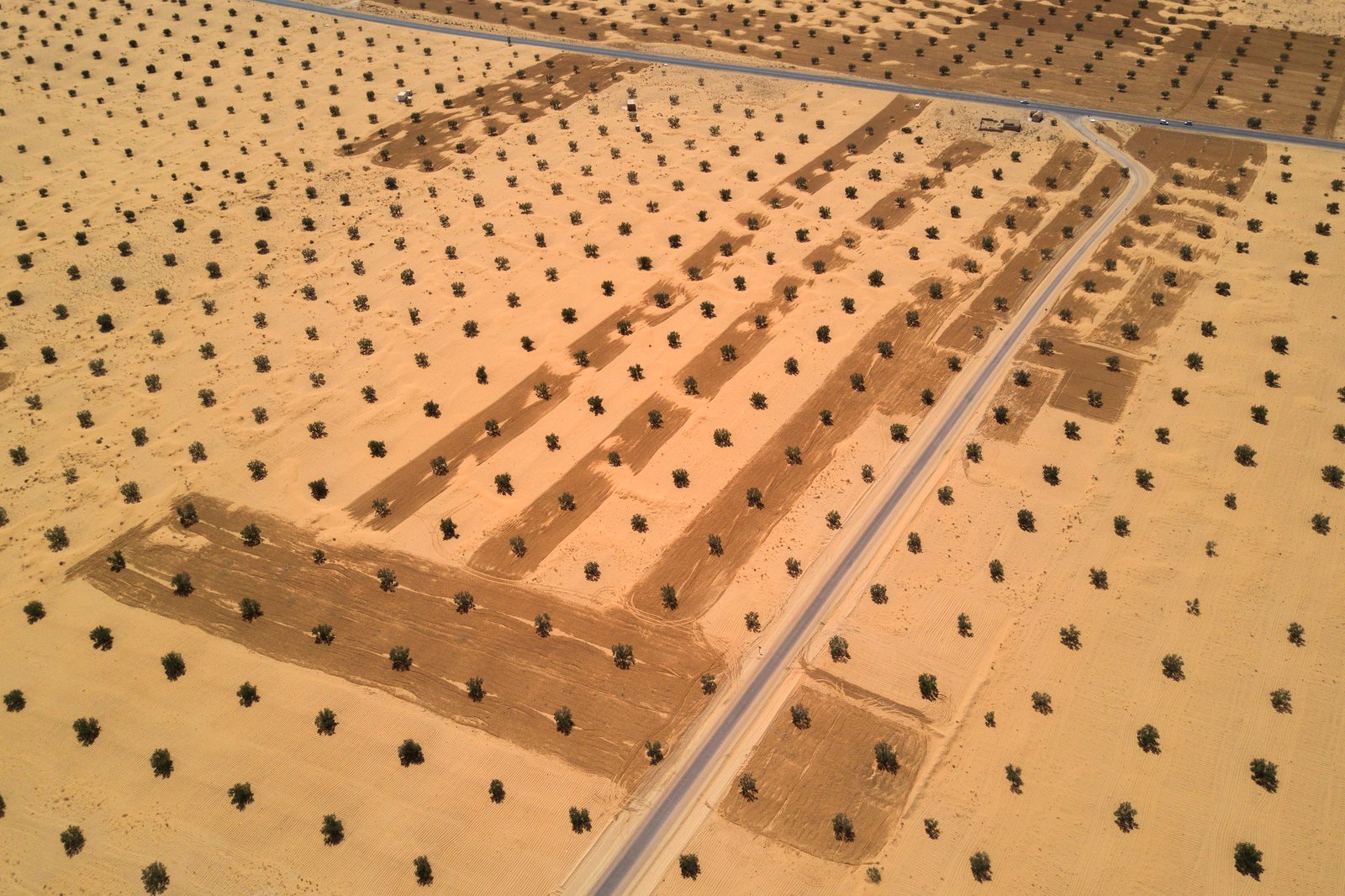
Since 2017, Tunisia has faced severe water scarcity, a result of diminishing rainfall, depleted reservoirs, and declining river flows. By 2024, dam water levels plummeted from approximately 50% in 2019 to about 23%, leading to consistent water shortages for both urban and rural areas. The agricultural sector, already vulnerable, has been hit hardest by this crisis. In border and interior regions that rely on rain-fed agriculture, the drought has caused crop failures and pasture shortages, pushing up production costs.
Livestock farmers have particularly suffered, as soaring fodder prices and reduced grazing land have made it challenging to maintain herds. Simultaneously, state-imposed price controls on milk intended to shield urban consumers from rising costs have led to an unsustainable production gap, ultimately pushing many smallholders out of business. As a result, thousands of livestock owners have been forced to sell or abandon their farms, further crippling domestic food production.
Protests have erupted in northwestern areas bordering Algeria, demanding increased milk prices and reduced feed costs. The government’s responses have ranged from temporary concessions to more oppressive regulatory measures. In 2024, President Kais Saied formed a National Fodder Office to monopolize feed production and imports, a move that largely failed to ameliorate the situation and at times exacerbated existing shortages.
Water Politics and Relations with Algeria
The political consolidation by Kais Saied, coupled with his anti-Western stance, has strained Tunisia’s diplomatic relations, particularly with traditional allies. The rejection of an IMF agreement in 2023 further entrenched financial isolation, while the government’s alignment with Algeria, especially in its rivalry with Morocco, has deepened its reliance on its neighbor for energy and financial support. This has compounded Tunisia’s vulnerability, shrinking its strategic flexibility and reinforcing its dependency on Algerian resources amid escalating food and water crises.
The intersection of climate dynamics and regional water policies has continued to undermine Tunisia’s agricultural base, especially as Algeria’s aggressive dam construction along shared rivers has further restricted downstream water access for Tunisia, exacerbating agricultural degradation. The Medjerda River, crucial for water supply and irrigation, has experienced a significant reduction in flow, impacting crop production and increasing financial strains on Tunisian farmers.
Transition from Agricultural Prosperity to Food Dependence
Over the last 15 years, Tunisia’s agricultural sector has seen a declining share of the workforce engaged in farming, plummeting from 17% to just 12% as of 2024. This trend worsened in 2021, when government decisions limited access to necessary funding for climate adaptation and agriculture. Austerity measures further restricted imports of essential food items and investment in rural development, centralizing control over critical agricultural inputs and effectively discouraging production.
The impact of these policies has resulted in soaring food inflation, increasing household spending on essentials disproportionately burdening low-income families. As domestic agricultural production diminished, dependence on food imports, particularly wheat, soared, with imports now accounting for over 80% of national wheat consumption. Concurrently, cross-border food smuggling from Algeria has burgeoned, offering an informal safety net for many.
Smuggling, Livestock Loss, and Cross-Border Economies
Food insecurity has catalyzed a surge in the illegal smuggling of livestock from Tunisia to Algeria. As drought and rising costs ravaged herds, desperate farmers began selling animals across the border, contributing to a significant reduction in Tunisia’s cattle population; from 671,000 in 2015 to just 388,000 by 2022. This exodus has weakened Tunisia’s dairy industry, exacerbating milk shortages, and represented a significant transfer of agricultural wealth to Algeria.
In light of Tunisia’s financial challenges following 2021, Algeria has emerged as a critical lifeline. Households in Tunisia’s interior areas increasingly rely on trips across the border to source affordable food products. Small-scale trade has evolved into a structured economy involving transportation services and specialized markets, where Tunisians procure essential goods at prices significantly lower than local markets. This arrangement has blurred legal boundaries; while some goods are smuggled, goods export is heavily regulated by Algerian authorities, giving Algeria leverage during political tensions.
A Call for Fundamental Change in Food Security
Tunisia finds itself trapped in a vicious cycle of dependence. Climate stresses have crippled agricultural output while weak governance and financial isolation deepen food scarcity issues. This condition has incrementally eroded Tunisia’s political autonomy, with Algeria gaining indirect influence through control over food flows and financial support. To counteract this trend, Tunisia must pivot towards a comprehensive strategy focused on climate adaptation, incorporating sustainable agricultural practices and resilient rural support systems.
Investments in irrigation, drought-resistant crops, and facilitating cooperation with Algeria regarding shared water resources are paramount. A binding agreement governing the extraction of transboundary waters is essential for halting agricultural decline and ensuring long-term food security.
