


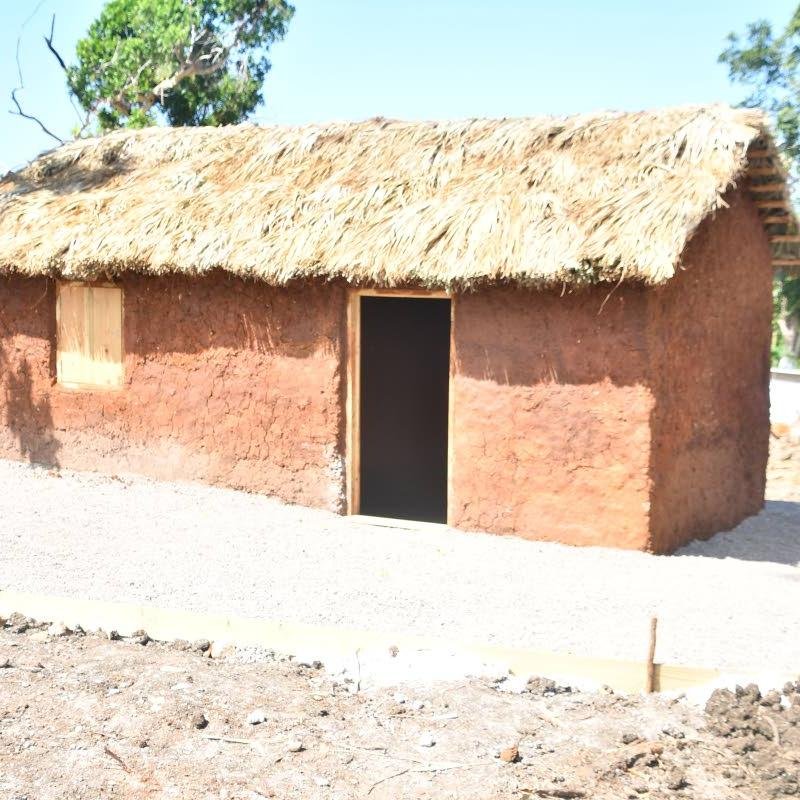
New African-Style Houses in Seville Heritage Park: A Symbol of Jamaica’s Cultural Ties with Africa
Two African-style houses constructed at Seville Heritage Park in St Ann, Jamaica, are proudly celebrated as symbols of the strong cultural and historical connections between Jamaica and Africa. Built by the Ghana Army Engineer Reconstruction Team, these houses serve as a tangible reminder of shared ancestry and traditions.
About the Construction of the African-Style Houses
The units, featuring traditional mud houses and an open kitchen area, highlight authentic African village life with traditional cooking utensils. Minister of Culture, Gender, Entertainment and Sport, Olivia Grange, noted that these structures transcend mere architecture, representing a profound reconnection with Jamaica’s ancestral roots.
Collaboration Between Jamaica and Ghana
Grange made these remarks during an open house event at Seville Heritage Park, where the new constructions were officially unveiled. The initiative emerged from a collaborative effort between Jamaica and Ghana, following the devastation caused by Hurricane Melissa, which provided a renewed opportunity for engagement.
“We have rekindled our relationships with our Ghanaian family, reaffirming the bonds of fraternity and solidarity that have endured through the trials of history,” Grange expressed. She thanked the government and people of Ghana and praised the reconstruction team led by Colonel Emmanuel Asia for their support during recovery efforts.
Cultural Significance of the Project
Chairman of the Jamaica National Heritage Trust, Orville Hill, shared similar sentiments, emphasizing that the cultural ties between Ghana and Jamaica remain unbroken through shared ancestry and values. He mentioned the African Kitchen Garden initiative, linking the two nations further, with officials from both sides planting trees associated with African culinary and healing traditions during the ceremony.
Technical Aspects of the Construction
The African-style houses were constructed as part of the Reconstruction Team’s special assignment during their deployment in Jamaica. Colonel Asia explained that, following orders from President John Dramani Mahama on December 18, a team of 54 soldiers arrived, bringing a variety of professional skills. They worked closely with local heritage authorities to blend traditional African techniques with modern engineering, ensuring the buildings could withstand Jamaica’s environmental conditions.
“We had to incorporate some reinforcements and anchor the structures to ensure they endure local weather patterns while maintaining traditional architectural aesthetics,” Colonel Asia added. Remarkably, the project was completed within a swift 12 days.
Enhancing Cultural Preservation at Seville Heritage Park
The newly built African-style houses contribute to ongoing efforts to enhance the cultural and historical interpretation of Seville Heritage Park, one of Jamaica’s most significant heritage sites. This location is a testament to the early interactions among the Taíno, Spanish, British, and African peoples, all of whom played a role in shaping Jamaican society.
Statements from Jamaican Leadership
Minister of Foreign Affairs and Foreign Trade, Senator Kamina Johnson Smith, emphasized the importance of the partnership with Ghana. She highlighted how the Ghana Army engineers contributed significantly to reconstruction efforts across affected communities, stating, “Jamaicans have greatly benefited from the dedication of your skilled team, restoring not just shelter but also dignity and hope to families and their communities.”
Senator Johnson Smith noted that this collaboration reflects the shared history and deep cultural connections between Jamaica and Ghana, reiterating the significance of Seville as a historic crossroads for indigenous peoples from the Americas, Europe, and Africa.
Overall, the construction of the two African-style houses at Seville Heritage Park stands as a powerful testament to Jamaica’s enduring ties with its African heritage and a celebration of shared cultural identity.
