

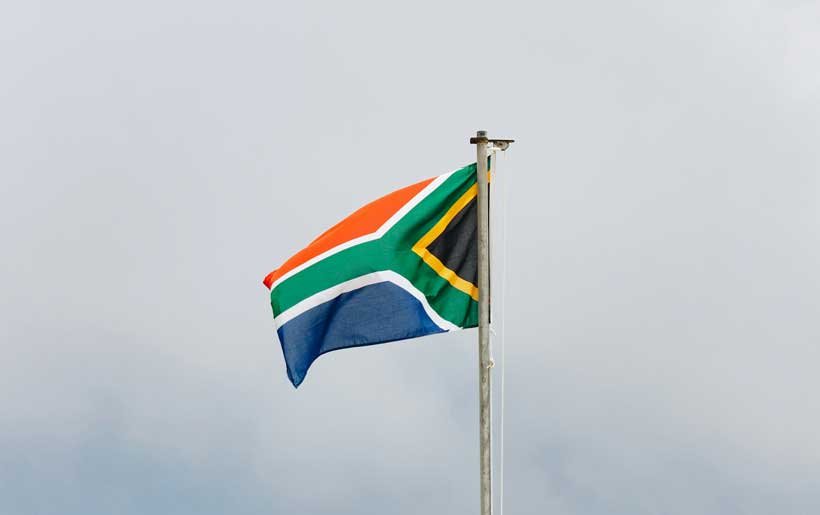
South Africa’s Diplomatic Landscape: Challenges and Opportunities
Introduction to South Africa’s Global Role
South Africa proudly highlights its role in multilateral organizations, notably its recent inclusion in BRICS+, a coalition emphasizing non-Western partnerships. This group, which promotes multipolarism, aims to establish a new political and economic framework to counterbalance United States dominance.
Deteriorating Relations with the United States
Historical Context
Over recent years, South Africa’s relationship with the United States has significantly declined. Issues including perceived discrimination against the white minority and allegations of racism towards other African nations have fueled tensions. Despite these challenges, South Africa upholds the principles of African unity, which have been central to its foreign policy since the inception of the Organization of African Unity (OAU) in 1963.
The G7 Summit: South Africa’s Exclusion
The upcoming 52nd G7 Summit, scheduled for June 15-17, 2026, in Évian-les-Bains, France, is expected to exclude South Africa from participation. Reports indicate that the U.S. has pressured France to withdraw South Africa’s invitation, focusing on diverse interpretations of its diplomatic stance.
Diplomatic Maneuvering
Initially, South Africa expressed concerns regarding U.S. influence over France’s summit invitations. However, President Cyril Ramaphosa later retracted this statement, asserting that there was no external pressure regarding the summit. This diplomatic adjustment may help ease tensions with both Washington and Paris, particularly since France invited Kenya instead, positioning it as the African representative at the G7 discussions alongside Brazil, India, and South Korea.
Continual Strain in U.S.-South African Relations
Despite attending previous G7 summits, relations between Pretoria and Washington have deteriorated. The U.S. government’s accusations of discrimination against South Africa’s white minority have been met with strong rebuttals from Pretoria and external observers. The embers of strained relations were further ignited by South Africa’s 2023 legal actions against Israel regarding allegations of genocide, as well as diplomatic fallout over U.S. tariffs.
The Role of France in African Affairs
French Foreign Minister Jean-Noel Barrot publicly stated that France did not yield to U.S. pressure regarding invitations but instead aimed for a “streamlined G7.” The decision to invite Kenya, rather than South Africa, aligns with efforts to address global economic imbalances. The upcoming G7 summit will also feature discussions on enhancing bilateral ties between France and African nations.
Conclusions and Future Outlook
Strategic Partnerships
The 2026 G7 Summit represents a critical juncture for South Africa, illustrating the complexities of its global partnerships amid shifting geopolitical landscapes. France’s proactive stance in fostering relationships with African countries, highlighted by an upcoming investment summit in Nairobi, underscores the importance of African nations in global economic development.
Embracing Multipolarity
As South Africa navigates its relationship with major powers like the U.S. and France, it remains committed to its foundational principles of unity and cooperation within Africa. The BRICS+ coalition exemplifies South Africa’s intent to engage in a multipolar world, offering a counterbalance to traditional power dynamics.
The intricate web of diplomacy, economic interests, and historical contexts will shape South Africa’s future interactions on the global stage as it seeks to carve out a prominent role in international relations.
For further insights into global diplomatic trends, you can visit Global Diplomacy Insights and explore how nations like South Africa are redefining their roles in a changing world.
