

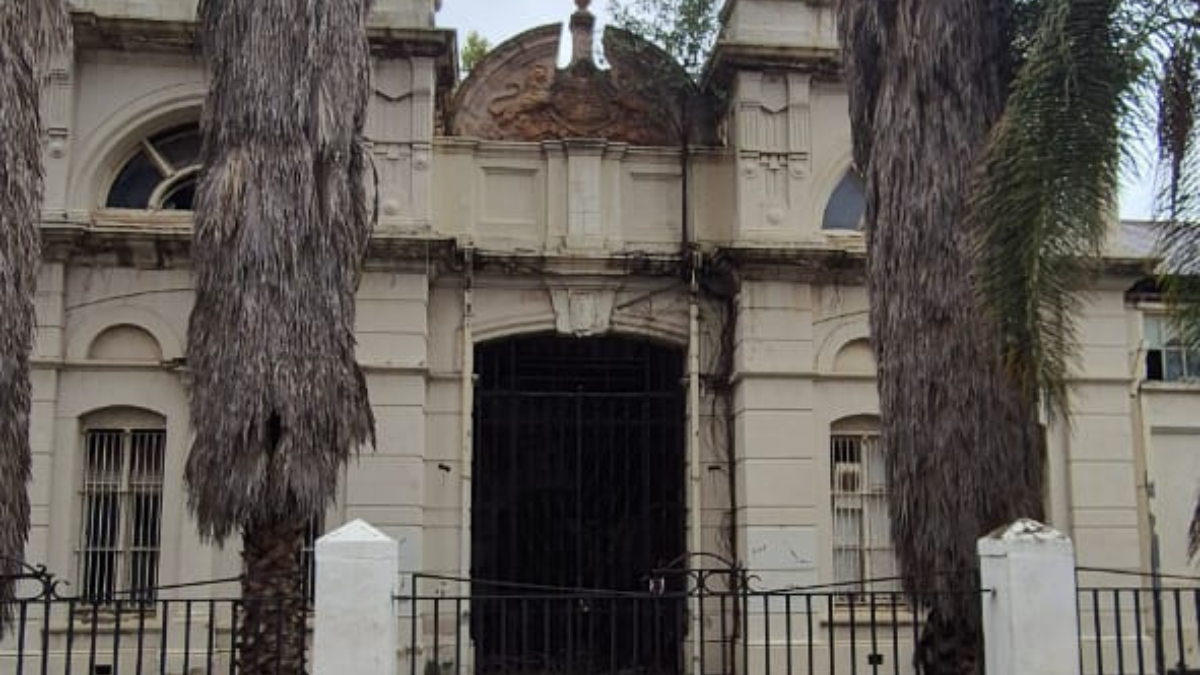
Reviving the Legacy of Pretoria’s Historic State Museum
Nestled on Boom Street in Pretoria, South Africa’s capital, the former State Museum stands in a state of disrepair, a stark reminder of its rich history. Erected 124 years ago, this once-vibrant institution now faces neglect, with broken windows, collapsed ceilings, and overgrown vegetation marking its decline.
From Humble Beginnings to Major Relocation
The history of the State Museum dates back to 1892, when it was first established by Dr. W. J. Leyds in a small room within the former Parliament House. Initially known as the Museum Room, it quickly outgrew its space. By 1893, a new location was secured on Lilian Ngoyi Street, followed by the construction of a studio and laboratory in 1894 to accommodate its expanding collection.

The Building’s Importance and Current Condition
As the collections grew, the museum faced logistical challenges, resulting in its move to the current Boom Street location during the Anglo-Boer War in 1902. Once a hub for natural history and cultural artifacts—including items from the Anglo-Boer War and Voortrekker culture—the museum now lies vacant, prompting concerns from officials and the public alike.

Call for Preservation and Restoration
Highlighting the urgency of the situation, Leanne De Jager, the Democratic Alliance (DA) Gauteng spokesperson for Sport, Arts, and Culture, has voiced concerns over the neglected national monument. Questions have been raised about who is responsible for its upkeep and the fate of its invaluable collections.
De Jager criticized the lack of action, stating, “We seek clarity on budget allocations for maintenance and restoration, along with a structural assessment.” The DA aims to engage with multiple national departments to ensure that this vital cultural asset does not fade into obscurity.
The Legacy of the State Museum
Throughout its evolution, the State Museum underwent several name changes, from the Pretoria Museum to the Transvaal Museum, reflecting its diverse history. In 1964, it finally split into separate entities, with the DITSONG National Museum of Natural History continuing at its new location opposite City Hall, while the National Cultural History Museum remained in Boom Street until 2000, when it also relocated to a modern facility.

Conclusion: The Future of a National Treasure
The future of the State Museum and its legacy remains uncertain. As attention grows surrounding its condition, the time is ripe for strategic measures to revitalize this significant cultural institution. Advocates and community members hope for a collaborative effort to ensure that the stories encapsulated within its walls are preserved for future generations.
