

FMD Outbreak Declared a National Disaster in South Africa
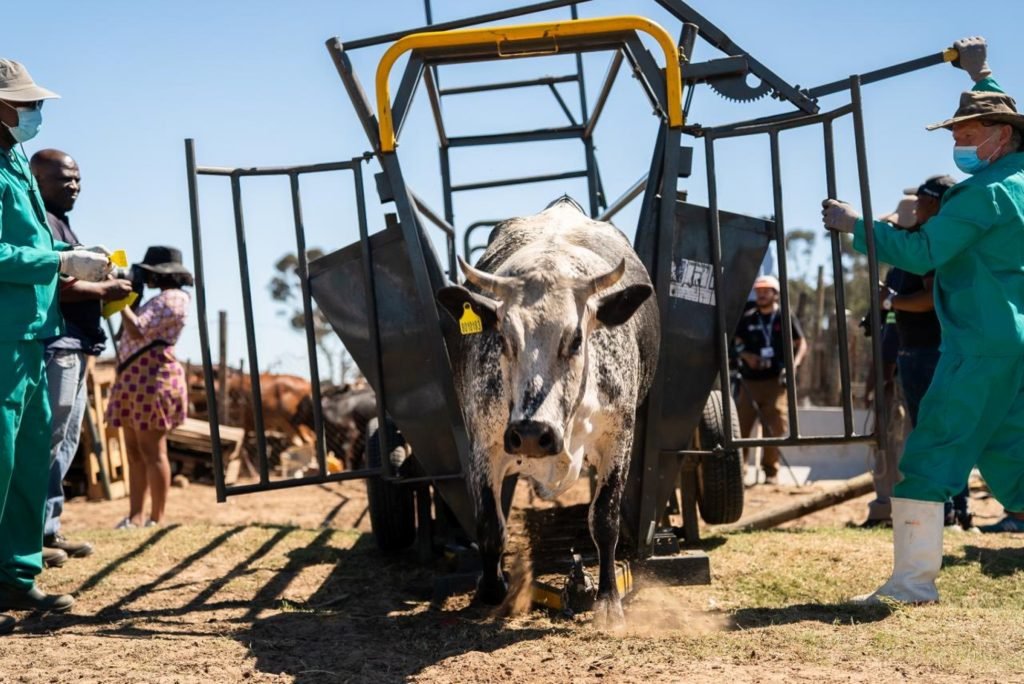
Many farmers will be forced to quit the industry as the FMD crisis trundles on. Courtesy photo
FMD3-RFP-022326
South Africa is facing an unprecedented foot-and-mouth disease (FMD) outbreak, which has now been officially declared a national disaster. As the crisis unfolds, efforts are shifting towards a substantial vaccination campaign aimed at containing the disease and safeguarding the agricultural sector.
A Deepening Crisis
South African President Cyril Ramaphosa has characterized this outbreak as the worst in the country’s history, emphasizing the extensive damage it has inflicted on both the economy and the agricultural landscape. The government has mobilized a task team comprised of farmer organizations and specialists, led by John Steenhuisen, Minister of Agriculture. This team is responsible for the coordination and execution of the vaccination program.
Minister Steenhuisen acknowledged the scale of the challenge ahead, stating, “Make no mistake, tackling FMD is a massive challenge. It will require a collaborative and sustained effort.” He also conveyed the emotional and financial toll this disease has had on farmers, reflecting an understanding of the agricultural community’s struggles.
Massive Vaccination Initiative
The scale of the vaccination effort is monumental, necessitating that approximately 14 million cattle be vaccinated within the next 12 months—amounting to about 28 million doses. However, skepticism persists among farmers regarding the success of the vaccination program. Many are concerned about the effectiveness and approval status of vaccines offered through private channels.
President Ramaphosa has urged farmers to rely on the South African Health Products Regulatory Authority (SAHPRA) for vaccine approval, assuring that this ensures the selection of appropriate vaccines for the specific strains of FMD circulating in the country. "This disease is severely impacting our economy, leading to export bans and devastation among herds," he stated.
Growing Concerns
Despite the government’s initiatives, dissatisfaction looms over the vaccination roll-out. Minister Steenhuisen faces criticism over the department’s response to the ongoing outbreak, which first emerged in 2019 in the Limpopo Province but was contained at that time. The situation has since escalated, contributing to a 26% decline in beef exports in 2025 as key markets, including China, imposed bans on South African beef.
Countries such as Zimbabwe, Botswana, and recently Zambia have followed suit, restricting livestock and meat imports amid concerns regarding the outbreak. The latest wave of FMD has proven more aggressive, with serious ramifications for the livestock sector, valued at approximately 95 billion South African Rand (US$5.9 billion) annually.
Economic Impact on Farmers
The implications of the outbreak are dire for many farmers. Johann Kotze, CEO of AgriSA, voiced grave concerns about the cumulative economic impact should the outbreak not be contained swiftly. Small towns and communities reliant on livestock activities are particularly vulnerable to the crisis.
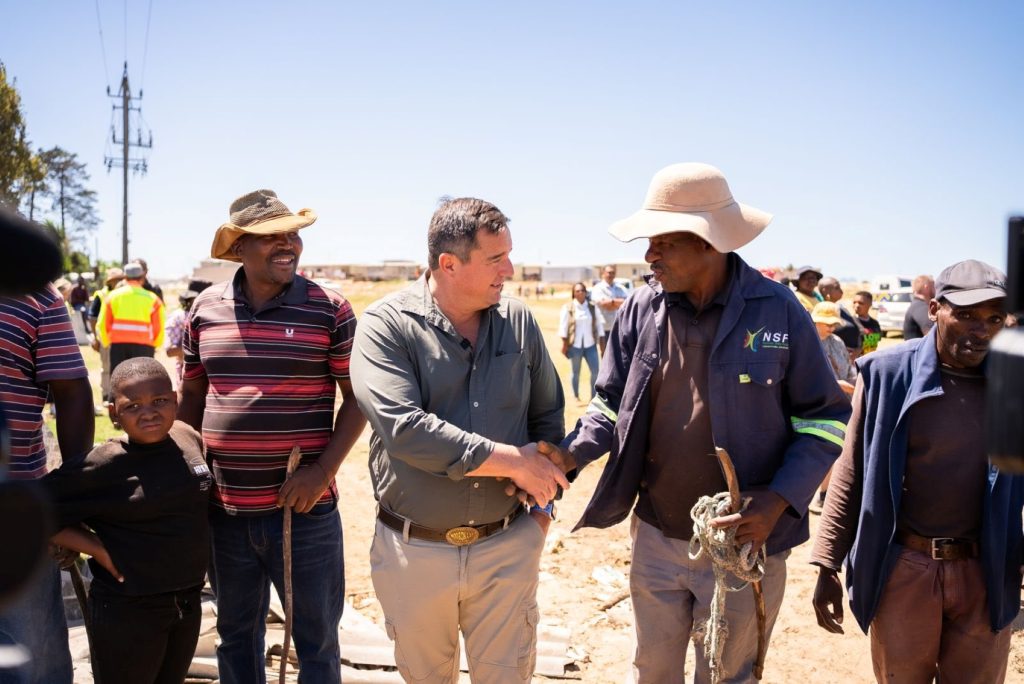
South African Minister for Agriculture John Steenhuisen is in charge of the task force to run the FMD vaccination program. Courtesy photo
FMD1-RFP-022326
As the situation continues to develop, it remains crucial for both farmers and policymakers to establish effective strategies to mitigate the effects of the FMD crisis. The road ahead is fraught with challenges, but collaborative efforts may help safeguard the future of South Africa’s agricultural sector.
The urgency of this scenario underscores the broader implications of animal health on economic stability and food security. It is a crucial time for all stakeholders involved to engage in transparent communication and effective resource allocation to navigate this agricultural crisis.
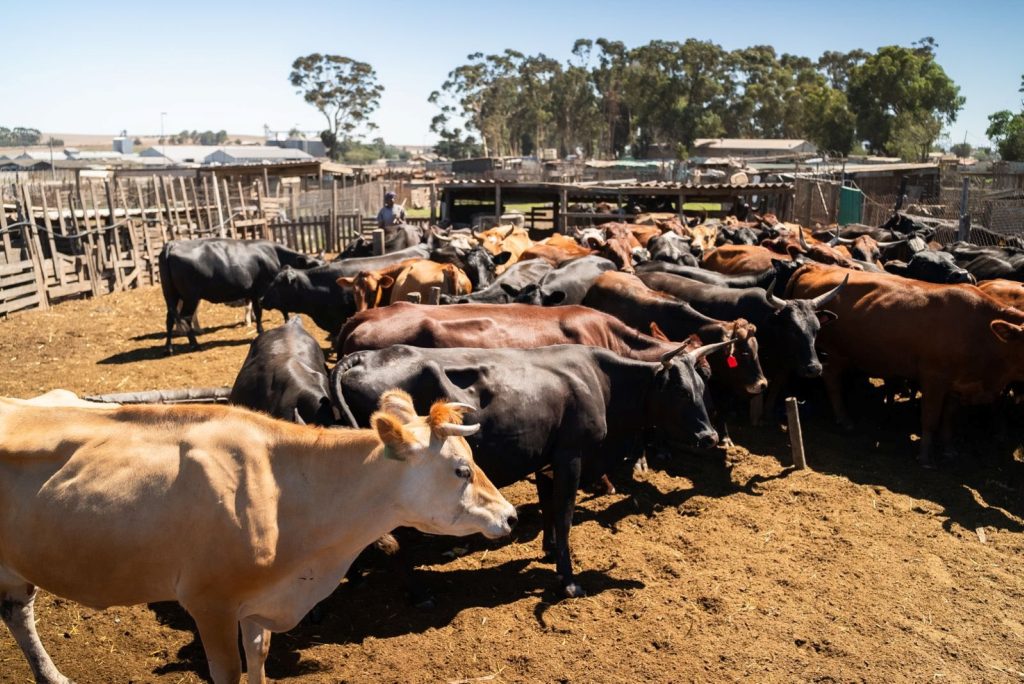
Around 14 million cattle must be vaccinated in the next 12 months. Courtesy photo
FMD2-RFP-022326
For further updates and detailed information regarding the FMD situation and the vaccination program, visit the official South African Government website.
This health crisis serves as a stern reminder of the vulnerabilities within agricultural systems and the need for preparedness in the face of zoonotic diseases.
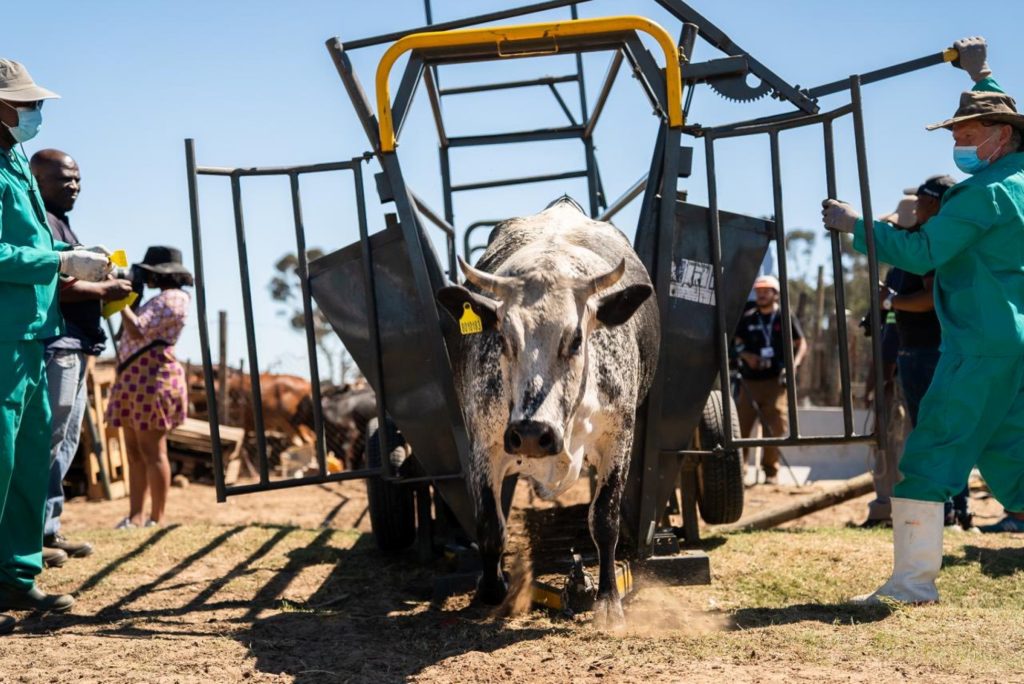
Many farmers will be forced to quit the industry as the FMD crisis trundles on. Courtesy photo
FMD3-RFP-022326
