

South Africa‘s Minister of Mineral and Petroleum Resources, Gwede Mantashe, is advocating for an accelerated push in the development of the country’s own oil and gas resources in response to its $19.6 billion dependency on imported petroleum. In a recent speech delivered in Cape Town, Mantashe emphasized that the current geopolitical tensions, particularly the Gulf War, have laid bare the country’s vulnerabilities, underscoring the need for local exploration and production to safeguard against global market fluctuations.
The Need for Domestic Oil and Gas Development
Minister Mantashe stated, “The sustainable long-term solution to our challenges lies in domestic production. This can only be achieved through the rigorous exploration and responsible exploitation of our own petroleum resources.” This mandate highlights the urgency for South Africa to enhance its energy security by reducing its heavy reliance on imported fuels.
Current Challenges Due to Imported Fuels
The ongoing geopolitical conflicts, specifically the U.S.-Iran relationship, have heightened fears of fuel rationing in South Africa. Recent reports indicate that several petrol stations are experiencing diesel shortages across multiple provinces. With global oil prices soaring past $100 per barrel since the Gulf War’s escalation, consumers may soon witness price increases of R2–R4 per liter. This surge underscores the pressing need to rectify structural deficiencies within South Africa’s energy framework.
Economic Impact of Rising Fuel Imports
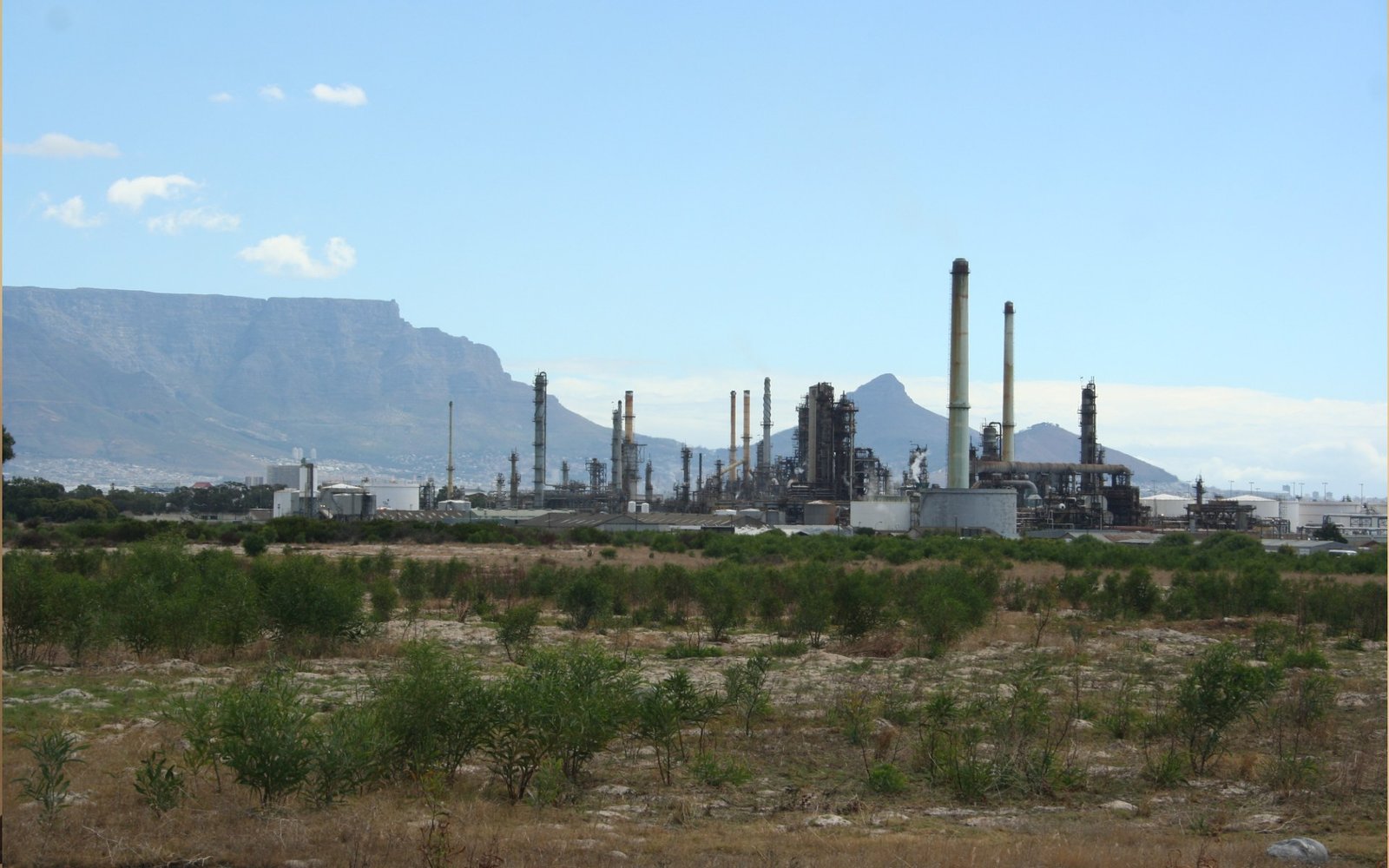
In 2025, South Africa’s imports of mineral fuels, oils, and distillation products surged to approximately $19.63 billion, a significant jump from $9.7 billion in 2020. This spike reflects both increased economic activity and the ongoing dependency on foreign sources to satisfy domestic energy demand. Compounding this issue is the decline in domestic refining capacity, as notable facilities, such as the PetroSA and Engen refineries, have shut down or transitioned to import terminals. As a result, only a few facilities remain operational, exposing the country to the volatility of global oil prices and the ensuing impacts on transportation, manufacturing, and the cost of living.
Combatting Energy Poverty through Local Production
Minister Mantashe cautions that escalating oil and gas prices directly affect the cost of living. Moreover, the lack of access to these essential resources exacerbates energy poverty, fuels unemployment, and perpetuates economic inequality.
Government Initiatives for Energy Security
In recognition of these vulnerabilities, the South African government is placing a renewed focus on harnessing local hydrocarbons as part of a comprehensive energy security strategy. Promising discoveries of gas and condensate in the South Outeniqua Basin confirm a viable petroleum system, suggesting significant untapped potential in the region’s underexplored deep waters. Additionally, the Orange Basin, which South Africa shares with Namibia and has identified up to 11 billion barrels of oil and 2.2 trillion cubic feet of gas, presents similar prospects for exploration.
Regulatory Reforms to Unlock Potential
The government is actively working to dismantle regulatory barriers that hinder local production. Key legislative changes, including the Upstream Petroleum Resources Development Act—expected to be finalized by the end of March 2026—aim to establish a clearer legal framework for exploration and production. Further, the modernization of the Petroleum Products Bill seeks to improve access to domestic resources and lessen the reliance on imports. The newly formed South African National Petroleum Company will play a crucial role in centralizing state involvement in the sector, overseeing exploration, licensing, and production planning.
Building a Self-Sustaining Hydrocarbon Economy
“These reforms aim to ensure equitable access to and sustainable development of our petroleum resources while decreasing the country’s import dependency over time,” stated Minister Mantashe. As these foundational plans gain momentum, the central question remains: how swiftly will South Africa be able to utilize these policies to attract significant investment and foster the necessary development of exploration, production, and infrastructure, transitioning from an import-reliant market to a self-sufficient hydrocarbon economy?
