

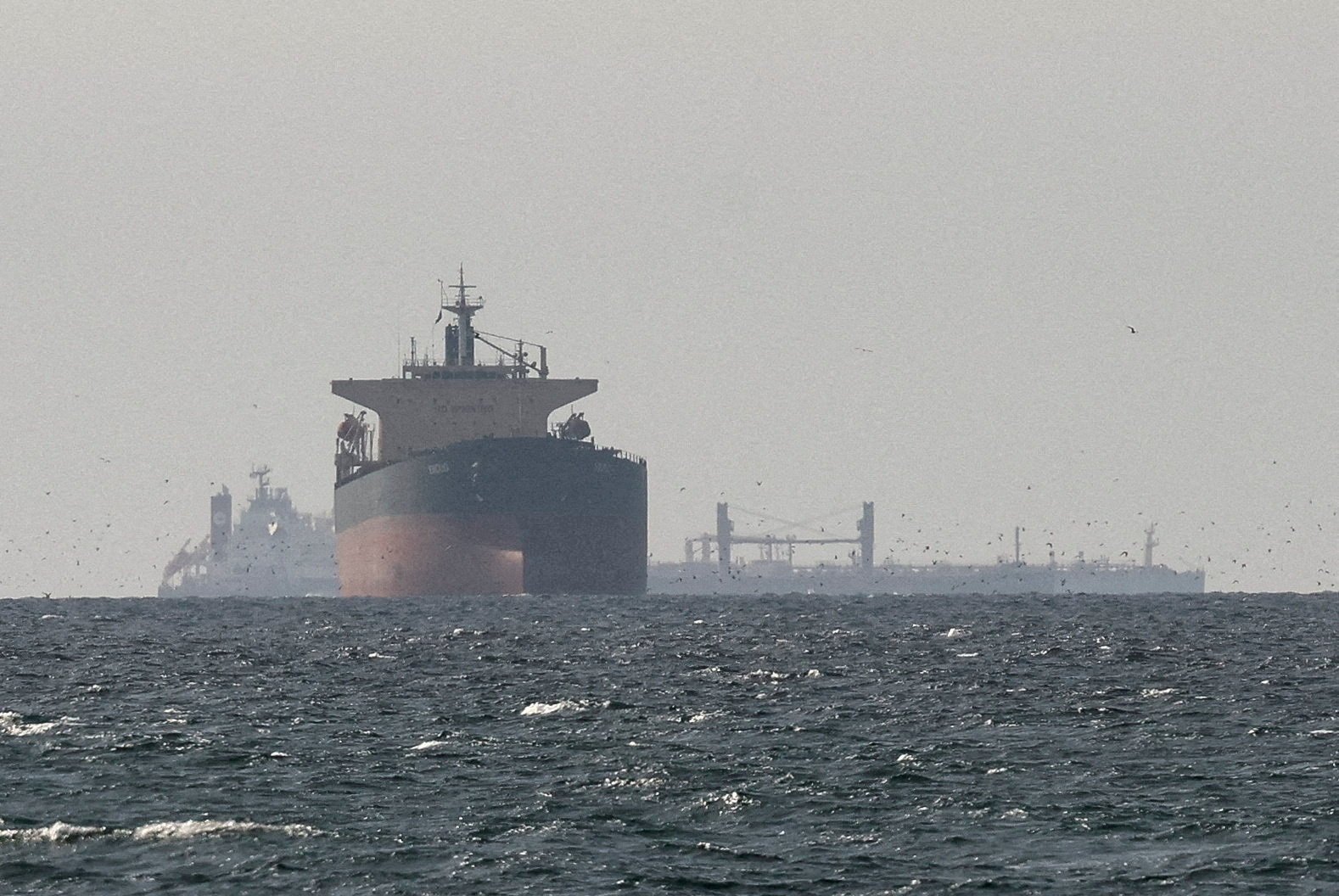
Global Energy Markets Face Disruption Amid Iran Conflict
The ongoing war in Iran, alongside the closure of the Strait of Hormuz, has plunged global energy markets into a state of uncertainty. Critical oil and gas flows are disrupted, and governments and industries are rapidly adjusting their energy policies, trade dynamics, and security strategies.
Immediate Impact on Global Regions
Southeast Asia: Fuel Shortages and Rationing
Countries in Southeast Asia are experiencing acute fuel shortages and are implementing rationing measures. Industries in nations such as the Philippines, Thailand, Vietnam, and Indonesia are feeling the strain. As these countries are transitioning into net oil and gas importers, they now find themselves vulnerable to external shocks. Fuel rationing efforts are being advised, along with emergency measures to curb demand.
China: Supply Chain Vulnerabilities
China had maintained substantial reserves of crude oil prior to the conflict. However, it is now navigating complex trade-offs between its internal needs and external supply commitments. With existing stockpiles and access to Russian crude, Beijing may engage in "diesel diplomacy," exporting vital fuels to neighboring countries in Asia while risking its domestic supply stability.
Europe: Energy Affordability Crisis
Europe’s energy strategy faces tensions as external shocks lead to skyrocketing fuel prices. While the continent does not heavily depend on Gulf oil, the repercussions of price volatility are felt in household and industrial expenditure, adding inflationary pressures. Policymakers are grappling with short-term relief measures versus long-term energy transition strategies.
Africa: Mixed Opportunities Amid Challenges
African nations are facing heightened fuel prices and fertilizer shortages, impacting food security across the continent. However, the conflict is also redirecting attention towards potential investments in African energy resources, particularly as global investors seek diversified supply chains. The challenge will be to balance immediate energy needs while attracting long-term investments.
The Western Hemisphere: New Opportunities for Energy Producers
In light of the conflict, energy producers in the Western Hemisphere, particularly the United States, Canada, Brazil, and Guyana, are positioned to capitalize on renewed global emphasis on energy security. The global oil supply has seen shortfalls of approximately 12 million barrels per day, and the Americas are relatively insulated from the shocks, providing an advantage for producers within this region.
Long-Term Strategic Implications
While the immediate impacts are evident, there are broader implications for energy policy and market structures across the globe. This conflict could lead to significant shifts in how nations prioritize energy diversification and security, as well as a reevaluation of long-term energy supply strategies.
Exploring Regional Adjustments
- Western Hemisphere: A possible energy dominance could emerge in the context of strained global supplies.
- Southeast Asia: Countries may reconsider long-term LNG import strategies due to heightened energy uncertainty.
- China: The energy crisis is a double-edged sword, presenting both risks and new market opportunities for Chinese firms.
- Europe: The crisis may push policymakers into reactive, short-sighted energy solutions rather than pursuing structural reforms.
- Africa: Increased investments in African energy resources could emerge amidst challenges in food security and external financing.
In conclusion, the war in Iran is reshaping global energy dynamics, forcing countries to adapt to an increasingly complex market landscape. The realignment of trade relationships and energy strategies will define the future of energy security for nations worldwide.
For more detailed insights into these energy shifts, explore related resources on Southeast Asia’s energy landscape, China’s oil and gas security, and Europe’s energy affordability crisis.
