

The Future of African Energy: Insights from the Africa Energy Indaba 2026
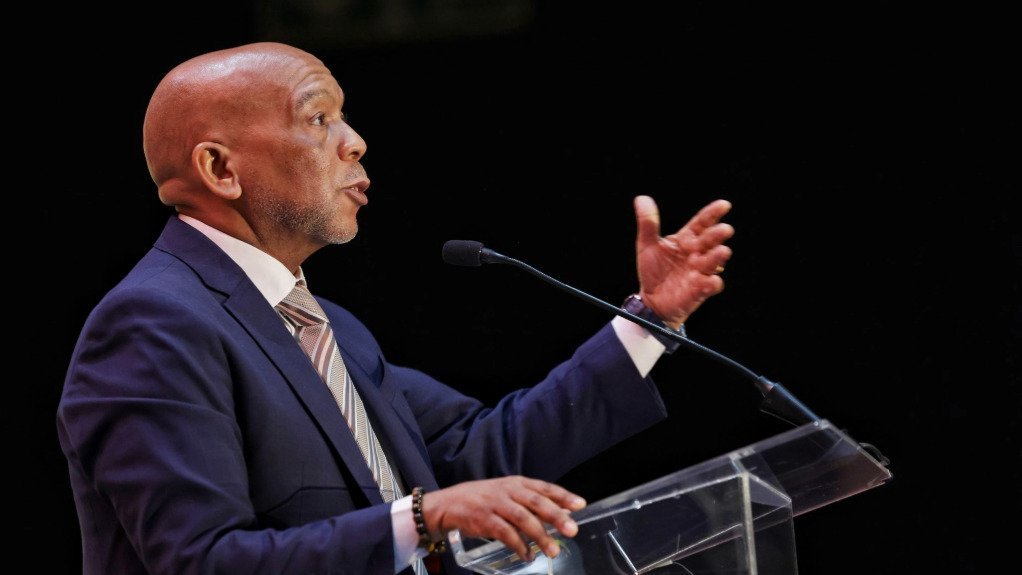
The Africa Energy Indaba 2026 held at the Cape Town International Convention Centre has brought to light significant discussions about the future of the continent’s energy landscape. Keynote speaker and South African Minister of Electricity and Energy, Dr. Kgosientsho Ramokgopa, addressed the current global energy upheavals, emphasizing their implications for Africa.
Global Energy Reordering
Dr. Ramokgopa emphasized that the global order is undergoing rapid changes, noting, "The global order, as we have known it for decades, is recalibrating in real time." He pointed out that energy is at the heart of this transformation, with electricity representing a new form of sovereignty expressed in electrons.
Importance of Critical Minerals
During his address, the Minister highlighted Africa’s crucial role in the supply of critical minerals, which are becoming increasingly important in international politics. Africa is far from being marginal in this context; its vast resources put it front and center on the global stage.
However, he warned that historical patterns could repeat themselves. "Yet history urges vigilance," he cautioned, stressing that mere possession of resources does not guarantee prosperity. Africa has a history of exporting raw materials while importing manufactured goods, and the ongoing green energy transition must not replicate this cycle.
The Need for Regional Cooperation
Dr. Ramokgopa underscored the importance of cooperation and coordination across regions and energy pools to foster Africa’s energy transition. Harmonizing regulations and promoting integration in energy cooperation and trade are vital steps toward achieving a successful transition.
Infrastructure and Industrialization
The Minister pointed out that robust energy infrastructure is critical for developing industrial zones. Reliable and affordable electricity is essential for green industrialization. "Minerals without energy do not become industry," he reinforced, stressing the need for improving the electricity supply chain’s industrialization.
To achieve this, Africa must localize the production of essential components such as transformers, generators, and transmission lines. He noted that "transmission has emerged as the defining constraint, and the defining opportunity, of the energy transition."
Energy Justice and Continental Integration
Dr. Ramokgopa articulated that energy justice goes beyond rhetoric; it must translate into practical programs rooted in industrialization and regional cooperation. "Energy justice is continental integration made operational!" he asserted, emphasizing the potential benefits of cross-border industrial corridors.
Addressing Capital Costs
Another critical issue highlighted was the high cost of capital for African energy projects. The elevated risk premiums associated with investments in the continent inflate project costs. "The cost of capital shapes the cost of power," he stated, urging for a reevaluation of the risk perceptions affecting African projects.
Designing Energy Security
"Energy security is not accidental; it is designed," Dr. Ramokgopa stated, referring to South Africa’s Integrated Resource Plan 2025 as a model for successful forward planning. This proactive approach can significantly reduce uncertainty, thereby enhancing investor confidence.
Unleashing Renewable Potential
Dr. Ramokgopa concluded with optimism, noting that Africa holds "unparalleled renewable energy potential." The continent has the opportunity to emerge as a powerhouse for green industrialization, paving the way for sustainable economic growth.
This article reflects the urgent need for Africa to rethink its energy strategies, focusing on collaboration and leveraging its rich resources to foster a sustainable future. For more information on renewable energy opportunities in Africa, visit African Renewable Energy.
