

South Africa’s Property Market Boosted by Increased Capital Gains Tax Exemption
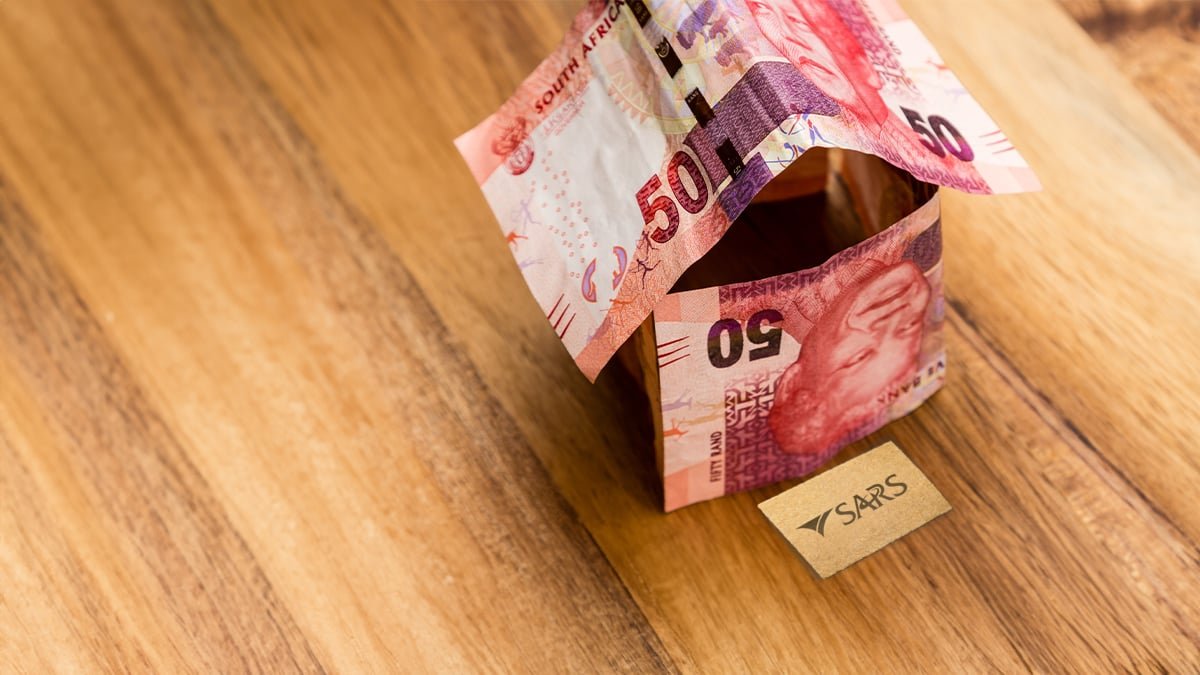
The South African Revenue Service (SARS) has made a significant change for homeowners by raising the capital gains tax (CGT) exclusion on primary residences from R2 million to R3 million. This tax relief, effective from 1 March 2026, enables homeowners to retain a larger portion of their profits when selling their properties, potentially leading to benefits ranging from tens of thousands to over R100,000.
Financial Relief for Homeowners
Confirmed by SARS in revised tax tables released in February 2026, this adjustment is seen as a considerable financial advantage for many. “This is not simply R3 million of the selling price; it refers to R3 million of the capital gain,” explained Paul Stevens, CEO of Just Property. This fundamental shift in taxation positively impacts families, retirees, and long-term homeowners, shifting the financial equation in their favor.
Practical Examples of Savings
To understand the implications of this increased exemption, Stevens provided three illustrative scenarios:
Example 1: Family Selling a Growth Suburb Home
| Purchase Price (2012) | Sales Price (2026) | Capital Gain | CGT Before | CGT Now |
|---|---|---|---|---|
| R1.8 million | R4.5 million | R2.7 million | ±R86,800 (R700,000 taxable) | R0 (R0 taxable) |
A family in this scenario stands to save almost R90,000, underscoring the substantial benefits of the new regulation.
Example 2: Long-Term Owner in a High-Value Suburb
| Purchase Price (2005) | Sales Price (2026) | Capital Gain | CGT Before | CGT Now |
|---|---|---|---|---|
| R2.5 million | R7.8 million | R5.3 million | ±R475,200 (R3.3 million taxable) |
±R331,200 (R2.3 million taxable) |
This scenario allows the seller to save roughly R144,000, a significant amount by any measure.
Example 3: Retiree Downsizing
| Purchase Price (1998) | Sales Price (2026) | Capital Gain | CGT Before | CGT Now |
|---|---|---|---|---|
| R950,000 | R3.9 million | R2.95 million | ±R98,800 (R950,000 taxable) | R0 (R0 taxable) |
For retirees, this example demonstrates nearly R100,000 more equity preserved, contributing to a more secure financial future.
Impact on the South African Property Market
Given the steady increase in property values over the years, many sellers have previously exceeded the old R2 million threshold. The new R3 million exclusion means a larger portion of sellers will now remain within the tax-free band. As a result, experts anticipate a more dynamic market.
Stevens outlines four anticipated impacts of this tax relief:
- Increased movement in the property market as homeowners previously deterred by tax considerations feel encouraged to sell.
- Higher net profits for sellers, particularly in areas where property values have risen.
- Improved retirement outcomes for long-term owners benefiting from the additional R1 million buffer.
- Enhanced financial flexibility for those buying again, relocating, or downsizing, as they retain more equity.
Stevens emphasizes the importance of recalculating potential profits, noting that the primary focus should be on net proceeds after costs and tax obligations. “Under the new R3 million exclusion, that figure has improved for countless South Africans,” he noted.
In a landscape where every rand counts, this tax threshold increase is a welcome adjustment for homeowners, providing them with more options and breathing space—an opportunity not to be missed.
