

Sahelian Extremism: Threats and Security Challenges in West Africa
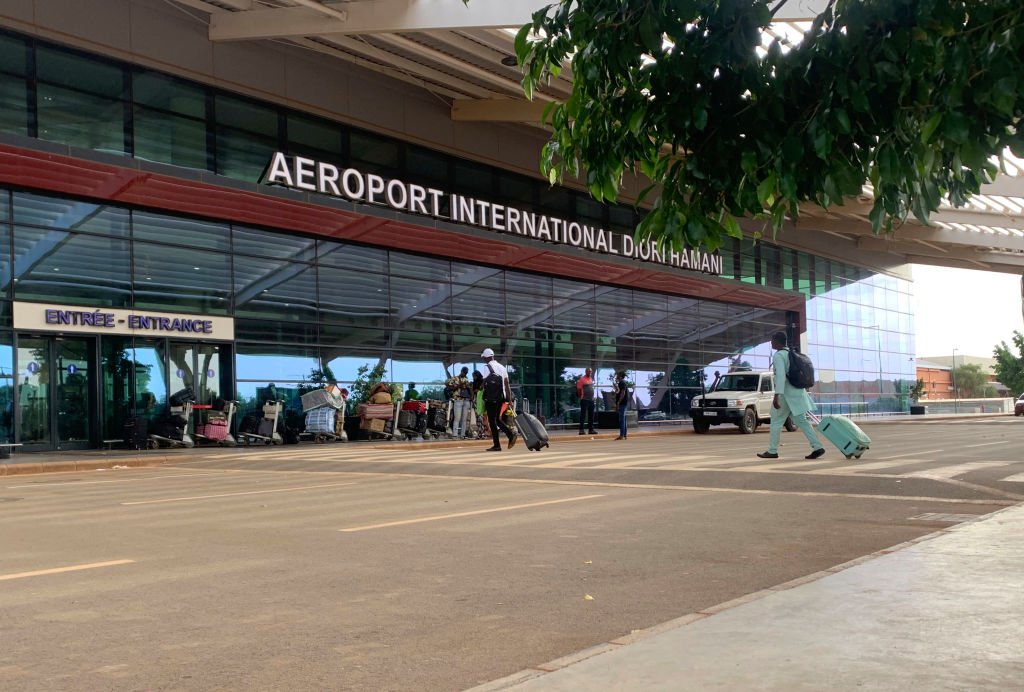
The recent terrorist attack on Dori Hamani International Airport near Niger’s capital, Niamey, sheds light on the mounting security threats posed by extremist groups across the Sahel region. This incident, which occurred on January 29, involved around 30 fighters from the Islamic State-Sahel Province, who launched a coordinated assault using armed drones, small arms, and mortars.
Escalation of Terrorist Activity
The targeted assault highlights a significant shift in operational tactics among Sahelian extremists. This operation specifically aimed at undermining Niger’s military capabilities and tested the resilience of its security forces. Analysts from African Security Analysis noted that the attack was not merely an isolated incident; it represented a strategic, high-stakes confrontation against military and strategic infrastructure vital to the region’s defense.
By the time the two-hour battle concluded, all attackers had either been killed or captured. However, the attackers achieved a critical goal: to demonstrate their ongoing capacity to execute significant operations, despite rigorous counterterrorism initiatives throughout the Sahel.
The Broader Security Context
The assault on the airport not only underscores the danger posed by the Islamic State-Sahel but also by other dominant terror organizations, like Jama’at Nusrat al-Islam wal-Muslimin (JNIM). Researcher Caleb Weiss from the Bridgeway Foundation emphasizes that these groups continue to threaten not just Niger but also neighboring countries like Burkina Faso and Mali.
In Mali, JNIM has recently intensified its campaign, choking the capital, Bamako, through logistical blockades. As of September 2025, the group began intercepting and destroying fuel shipments entering the country, causing significant disruptions to daily life in Bamako. Local residents express anxiety about potential future attacks on vital infrastructure, reflecting a pervasive state of insecurity.
Burkina Faso: Deteriorating Conditions
In Burkina Faso, the situation has similarly worsened. According to the SITE Intelligence Group, JNIM executed over 500 attacks in 2025 alone, controlling nearly 60% of the country. The capital, Ouagadougou, is increasingly under siege, as public trust in government continues to dwindle.
Military supply routes have become perilous due to nighttime assaults and the deployment of improvised explosive devices (IEDs). Extremists have exploited this vulnerability, launching a devastating attack in the northern town of Titao, where a significant loss of life occurred among soldiers and militia members.
Future Prospects and Security Concerns
As terrorism remains a structural issue across the Alliance of Sahel States (AES)—which includes Burkina Faso, Mali, and Niger—researchers warn that current dynamics are unlikely to change. Armed groups are likely to maintain their influence, particularly in border regions between Mali and Niger, where their presence is deeply entrenched.
Despite achieving control over extensive rural areas, extremist groups lack the capacity to seize urban centers like Ouagadougou. However, experts point out that local forces remain stretched thin, battling not only ongoing attacks but also defections to groups like JNIM.
Conclusion
The deteriorating security environment highlights the stark contrast between the junta leaders’ promises of stability and the reality on the ground. The military forces in Mali, Niger, and Burkina Faso struggle to respond effectively to the ongoing terror expansion, leaving local populations vulnerable to further attacks.
For more insights and detailed analyses on terrorism in West Africa, visit authoritative sources like The Foundation for Defense of Democracies or African Security Analysis. The complexities of the Sahelian crisis point to urgent needs for coordinated international and regional responses to tackle these persistent security threats.
