

5
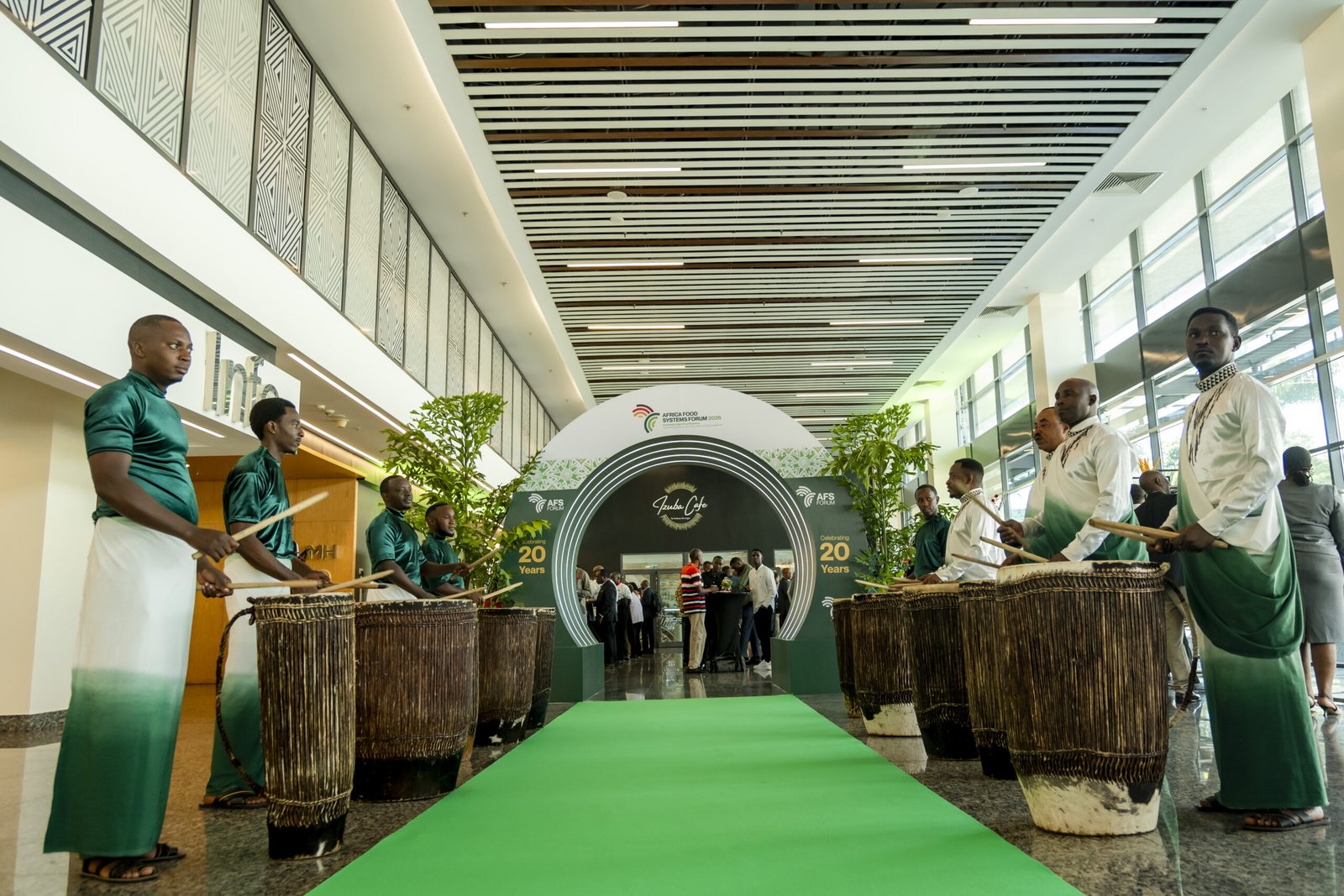
Kigali Convention Center, set to host the Africa Food Systems Forum from September 1-5, 2026.
Kigali Hosts the Africa Food Systems Forum 2026
KIGALI — In a significant development for Africa’s food systems, Rwanda has been chosen to lead the Africa Food Systems Forum (AFSF) into a transformative phase that will focus on actionable strategies, sustainable food production, and enhanced food security across the continent.
The 20th anniversary of the Forum will take place in Kigali from September 1-5, 2026, uniting heads of state, government officials, and global stakeholders. This event will also emphasize platforms for youth-led enterprises and agri-food small and medium-sized enterprises (SMEs) to connect with potential investors and strategic partners.
Transforming Dialogue into Action
Despite existing frameworks established by the African Union and the African Continental Free Trade Area, Africa is still grappling with critical challenges in its food systems. Key issues include widespread food insecurity, significant post-harvest losses—which are estimated to reach 60%—as well as low levels of intra-African trade, increasing demand, climate-related impacts, and a rapidly growing population.
Organizers of AFSF 2026 aim to pivot from merely discussing policies to implementing measurable, impactful actions.
As a prominent platform for African agriculture, the upcoming Forum is expected to attract over 4,500 participants, including heads of state, ministers, business leaders, and investors. With a theme centered on “Investing in Agri-Food Systems: Growing Jobs, Nourishing Nations, Building Resilience,” the summit will focus on translating commitments into real outcomes through enhanced partnerships and increased accountability.
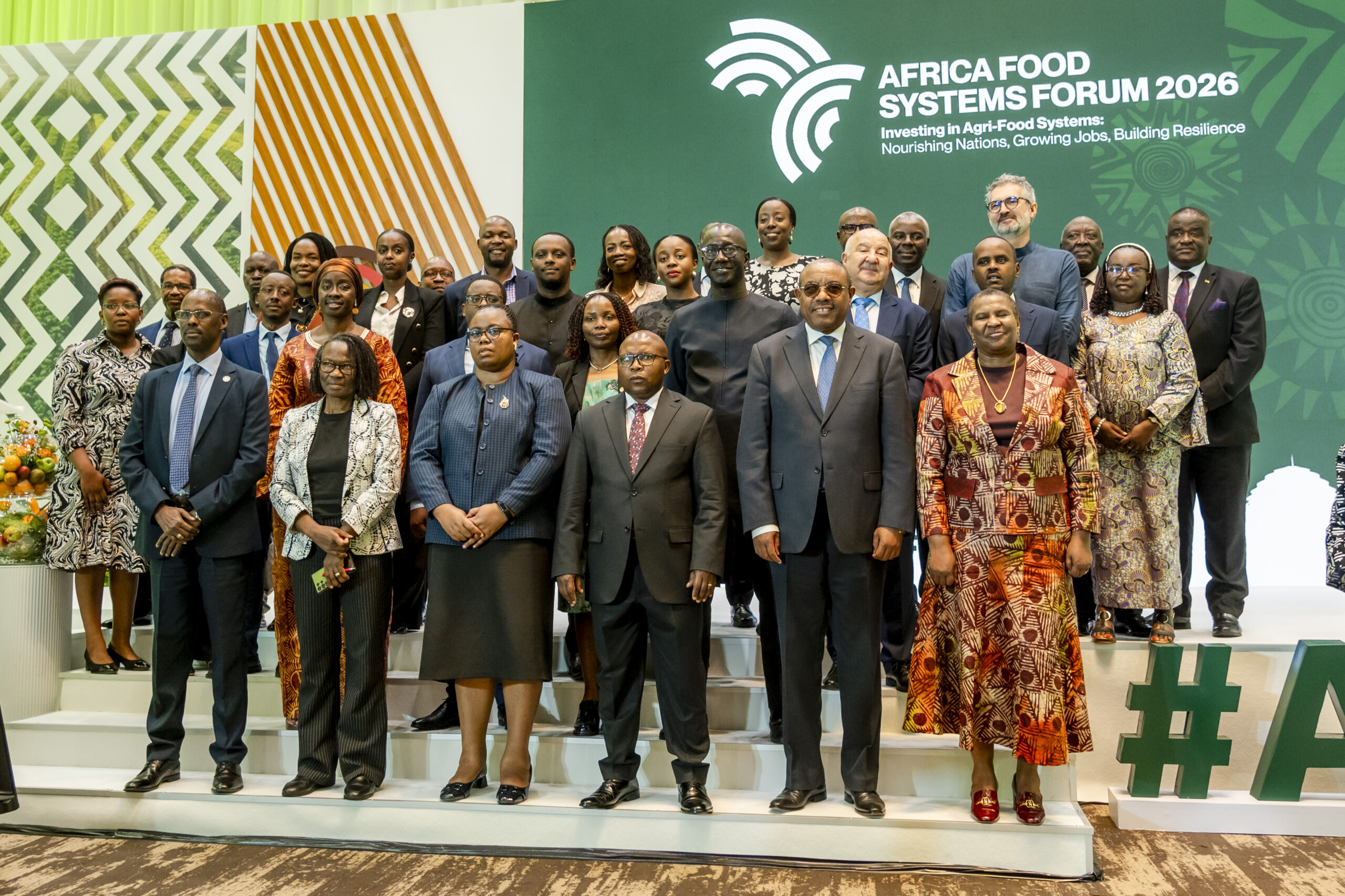
Leaders gather at AFSF with a commitment to forge transformative partnerships.
Calls for Leadership and Investment
Amath Pathe Sene emphasized the urgent need for action as Africa enters this pivotal phase. “Over the past two decades, we have built a platform that encourages collaboration among essential voices and partnerships, but the challenges we now face require a significant shift in our approach,” he stated.
He noted that Rwanda’s leadership will be crucial in fostering political commitment to enhance agricultural productivity, infrastructure, and value chain development. “Leadership is seen in action. This has been evident in Rwanda under President Paul Kagame, where strong leadership translates to real progress,” Sene remarked.
Over the years, the Forum has successfully convened stakeholders from over 100 countries, hosted more than 3,000 sessions, and supported the presentation of over $200 billion in investment opportunities in agriculture.
African nations are now entering a new decade with initiatives like the Comprehensive Africa Agriculture Development Programme, reaffirming their commitment to mobilizing large-scale investments within a new financial architecture for the continent. Meeting Africa’s needs will require trillions of dollars over the next decade, particularly in sectors such as infrastructure, energy, and agricultural value chains.
Focus on Accountability and Execution
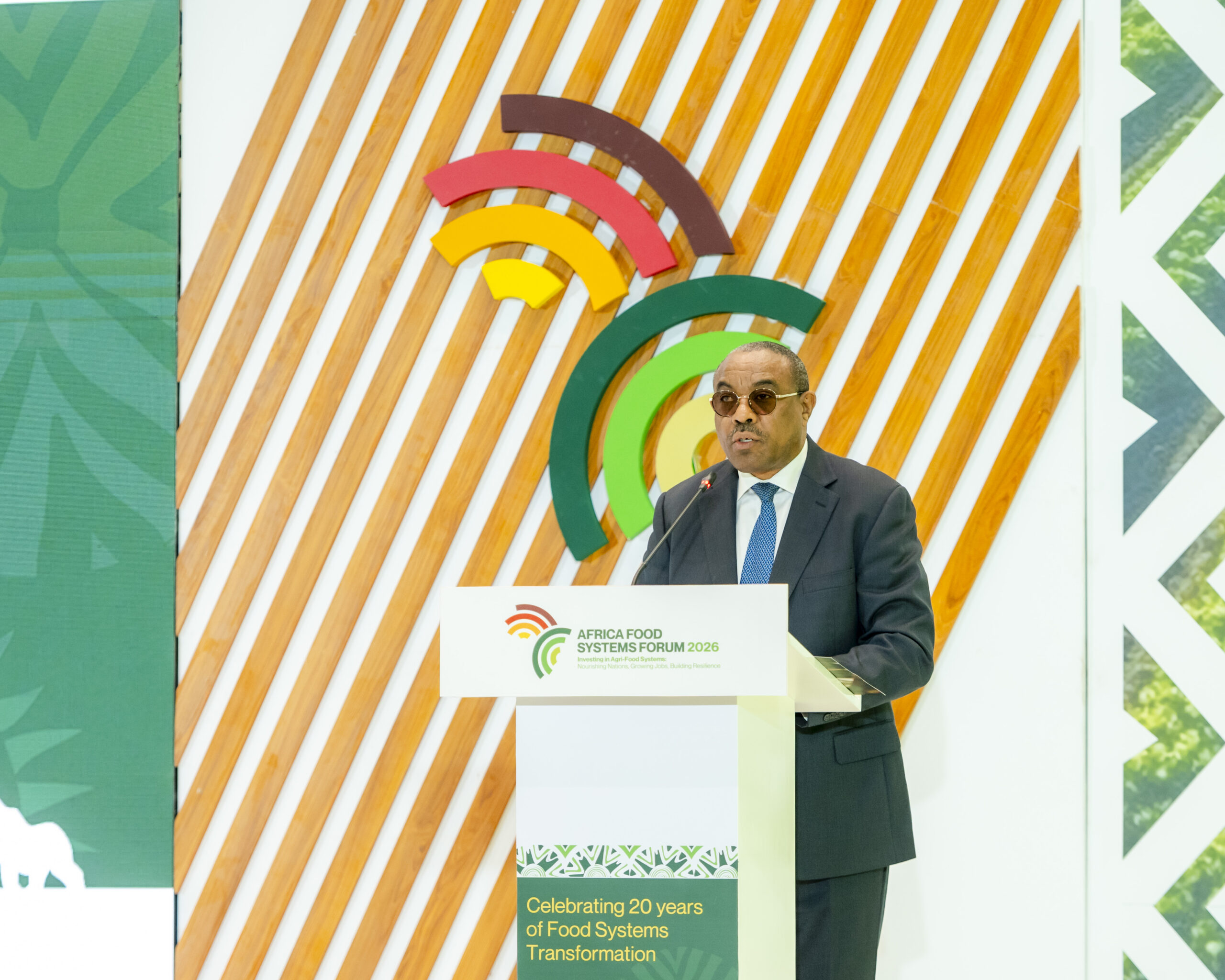
Hailemariam Desalegn emphasizes the need for effective execution in Africa’s food systems.
Hailemariam Desalegn, the board chair of AFSF Partners, highlighted that the next phase of the forum must prioritize the execution of agreed strategies. “As we commemorate 20 years of the Forum, it’s essential to recognize that the trajectory of Africa’s food systems will hinge on effective implementation,” he stated.
Conclusively, Alice Ruhweza asserted that the Kigali summit must ensure stronger accountability through specific delivery plans and well-defined implementation pathways to achieve significant outcomes. “We must track commitments closely to establish credibility and unlock further investments,” she concluded.
Rwanda’s selection as the host country reaffirms its emerging influence in agricultural transformation and policy leadership. Telesphore Ndabamenye underscored this urgency by stating, “Investment in food systems needs to be prioritized, especially in the face of declining development assistance, volatile commodity prices, and rising debt burdens across the region.”
