

Russia’s Role in Africa’s Renewable Energy and Geopolitical Shifts
Introduction: A Call for Collaboration
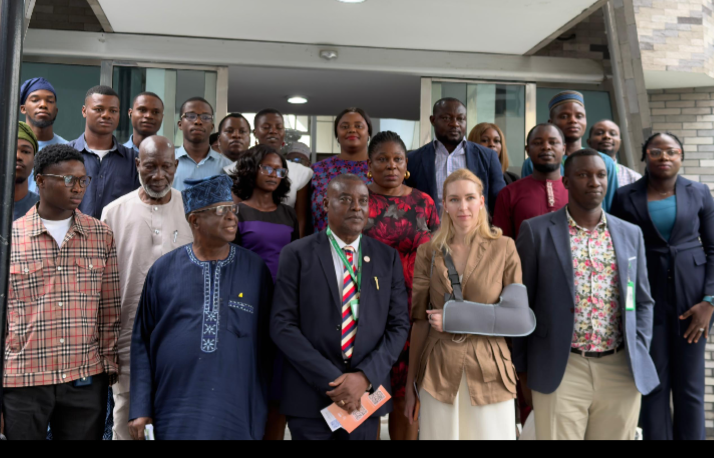
Recent discussions at the Nigerian Institute of International Affairs (NIIA) in Lagos highlighted a growing expectation for the Russian government to enhance its support for Africa, particularly in renewable energy. Senior experts, diplomats, and academics came together to explore the potential for collaboration in areas such as solar energy, hydropower, and nuclear energy, emphasizing the urgent need for Africa to address climate change challenges.
Renewable Energy Initiatives
Solar and Hydropower Development
Prominent figures, including Prof. Eghosa Osaghae and Prof. Chinasa Ohiri, underscored the urgency of Russia’s commitment to assist Africa in developing renewable energy sources. “Investments in solar and hydropower are crucial,” noted Prof. Ohiri during the presentation titled “African Expectations of Russia in Overcoming Climate Change Adversities.” This aligns with Africa’s objectives to combat energy shortages that threaten economic stability.
Nuclear Energy Support
The call for assistance isn’t limited to solar and hydropower; the importance of nuclear energy as a sustainable solution was also expressed at the NIIA-MGIMO roundtable discussion. The symposium aimed at understanding Nigeria and Russia’s roles in the increasingly complex global order, while acknowledging the significant impact of climate change on the continent.
Food Security and Agricultural Stability
Enhancing Agricultural Partnerships
Amid the discussions, Prof. Ohiri highlighted Russia’s position as a major grain supplier to Africa and urged the Kremlin to bolster food security. Ensuring agricultural stability is vital for the continent as it grapples with climate-induced challenges like droughts and flooding.
Sovereignty and Equality
Prof. Ohiri stressed the importance of mutual respect and sovereignty in Africa’s collaborations with Russia, advocating for partnerships to be established on equal footing to ensure sustainable development.
Climate Change: A Critical Issue
The Vulnerability of Africa
Africa stands out as one of the most vulnerable regions to climate change, contributing minimally to global greenhouse gas emissions while facing increasing droughts, flooding, and food insecurity. Prof. Ohiri emphasized that Africa expects financial support and investments in climate-resilient infrastructure from Russia, including advancements in scientific research and climate data appropriation through AI technologies.
Broader Global Partnerships
The shift towards engaging with emerging global powers, such as Russia, underscores Africa’s strategy of expanding partnerships beyond conventional Western donors, according to Prof. Ohiri.
Shifting Global Dynamics
The New World Order
Prof. Osaghae reflected on the complexities of the current global landscape, marked by the Gaza War and geopolitical instabilities. The presence of MGIMO University at the NIIA signifies a renewed focus on enhancing international relations and fostering cooperative frameworks.
Russia-Nigeria Collaboration
Alexey Starikov, representing the Russian Embassy, discussed how Russia and Nigeria are not merely observers in the evolving international system but are active contributors shaping a more balanced global architecture. This collaboration includes a commitment to non-interference and respect for African nations, steering clear of colonial practices.
Geopolitical Shifts in West Africa
Understanding Geopolitical Dynamics
Prof. Joshua Bolarinwa delved into the ongoing shifts in geopolitics in West Africa, linking them to Russia’s strategic recalibration in the region. These changes are characterized by Russia’s focus on addressing inequalities and fostering economic pragmatism.
Strategic Resources and Investments
According to Prof. Bolarinwa, Russia’s continued engagement in West Africa is primarily aimed at securing access to strategic resources and promoting economic interests, particularly within the growing energy sector of nations like Nigeria and Ghana.
Conclusion: The Road Ahead
As the international landscape continues to evolve, the partnership between Russia and Africa holds immense potential for addressing climate change and fostering economic growth. The dialogues at the NIIA and engagements with MGIMO University mark a critical step in redefining collaborations that benefit both parties. By harnessing renewable energy and agricultural advancements, Russia and Africa can pave the way for a more sustainable and equitable future.
For additional information on international relations and global partnerships, visit United Nations and Institute for International Relations.
