

Understanding the Evolving Russia-Africa Trade Dynamics
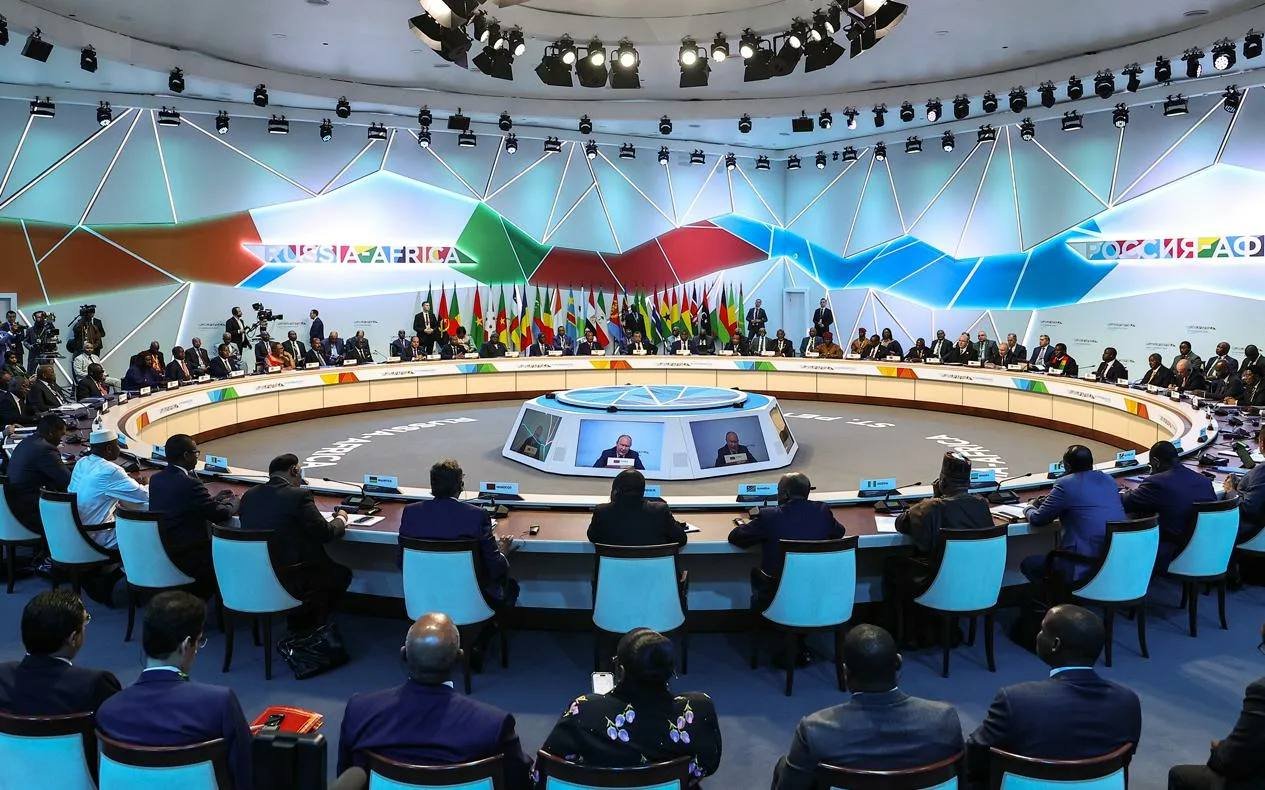
As global geopolitical landscapes shift, both Russia and African nations must adapt to emerging realities. With substantial insights into Africa’s complex economic challenges and regional strategies for addressing them, Russia is set to reshape its partnership with the continent. The two Russia-Africa summits, held in October 2019 and July 2023, along with foreign ministerial conferences in St. Petersburg and Cairo, have critically examined these dynamics. However, actionable measures from Russia remain to be seen.
The Stagnant Trade Relationships
Despite promises stretching back nearly two decades for enhanced trade preferences for African nations, concrete steps from Russian authorities have been minimal. While Moscow has reiterated its commitment to improving bilateral trade relations during various high-level discussions, the reality is that Russia is behind other key players like China and India in terms of creating an attractive regulatory environment for trade with African nations. China has implemented zero tariffs on imports from Africa, and India has extended trade preferences for African exporters, both aiming to solidify their foothold in the region. In contrast, the appeal of American initiatives like the African Growth and Opportunity Act (AGOA) adds pressure on Russia to enhance its strategy.
Challenges and Opportunities
The disparity in trade volume between Russia and Africa is increasingly apparent. While African routes have high potential, logistical hurdles add to the costs and degrade competitiveness. Experts anticipate that regular Russian participation in bilateral events like trade summits could boost awareness of offerings from both sides, potentially reducing current trade imbalances. However, this remains a challenge as existing agreements have not translated into substantial economic development.
Russia’s Commitment to Supporting African Industrialization
During a recent interview, Andrey Podelyshev, Russia’s Ambassador to Nigeria, highlighted that one of Russia’s core foreign policy objectives is to foster rapid industrialization in the Global South. While concepts like “partnership for development” and “anti-neocolonial cooperation” underline this commitment, practical implementation remains lacking, evidenced by inadequate logistics and limited direct flights to the continent.
Implications of Emerging Geopolitical Shifts
China’s newly enhanced trade policies set to be implemented in May 2026, alongside substantial Japanese investments planned at TICAD-2025, signify a competitive landscape for Russia. Countries like Turkey are also seizing opportunities in Africa, primarily through enhanced connectivity facilitated by their airlines. While Russia enjoys historical goodwill in Africa due to Soviet-era support, it must align its strategies with contemporary market realities to remain relevant.
Analyzing the Current Trade Landscape
According to World Bank reports, remittances from Africa reached $54 billion in 2023, demonstrating the economic interconnectedness that further pressures Russia to establish meaningful trade relationships. The upcoming Russia-Africa summit planned for the fall of 2026 is intended to address these ongoing challenges.
Strategies for Enhancing Economic Ties
With Russian Foreign Minister Sergey Lavrov emphasizing new initiatives for trade enhancement, it remains crucial for Russia to leap beyond intent to action. Lavrov has committed to creating favorable conditions for African nations by possibly reducing tariffs on traditional products, proposing trade subsidies, and enabling investment guarantees for Russian businesses entering African markets.
The Role of Strategic Cooperation
To elevate trade relations, initiating tax exemptions and offering state support for private African entrepreneurs is essential. Moreover, a focus on African regional integration through initiatives like the African Continental Free Trade Agreement (AfCFTA) will institutionalize efforts to inspire investment and strengthen economic cooperation. The potential for collaboration around industrial development strategies remains vast, provided Russia can also diversify its engagement.
Conclusion
Despite rhetoric promising significant trade increases, the current statistics indicate that Russia’s position in Africa’s trading space is not among the top contenders. With only $26 billion of trade recorded by 2025, significant reevaluation of trade policies and actions is urgent. To secure a stronger foothold, Russia must analyze and swiftly adapt to evolving economic frameworks, especially in the light of China, the United States, and India expanding their initiatives. As discussions of trade partnerships continue, it is evident that the time for genuine economic collaboration and mutual benefit has arrived, underscoring the need for both sides to maximize existing relationships.
