

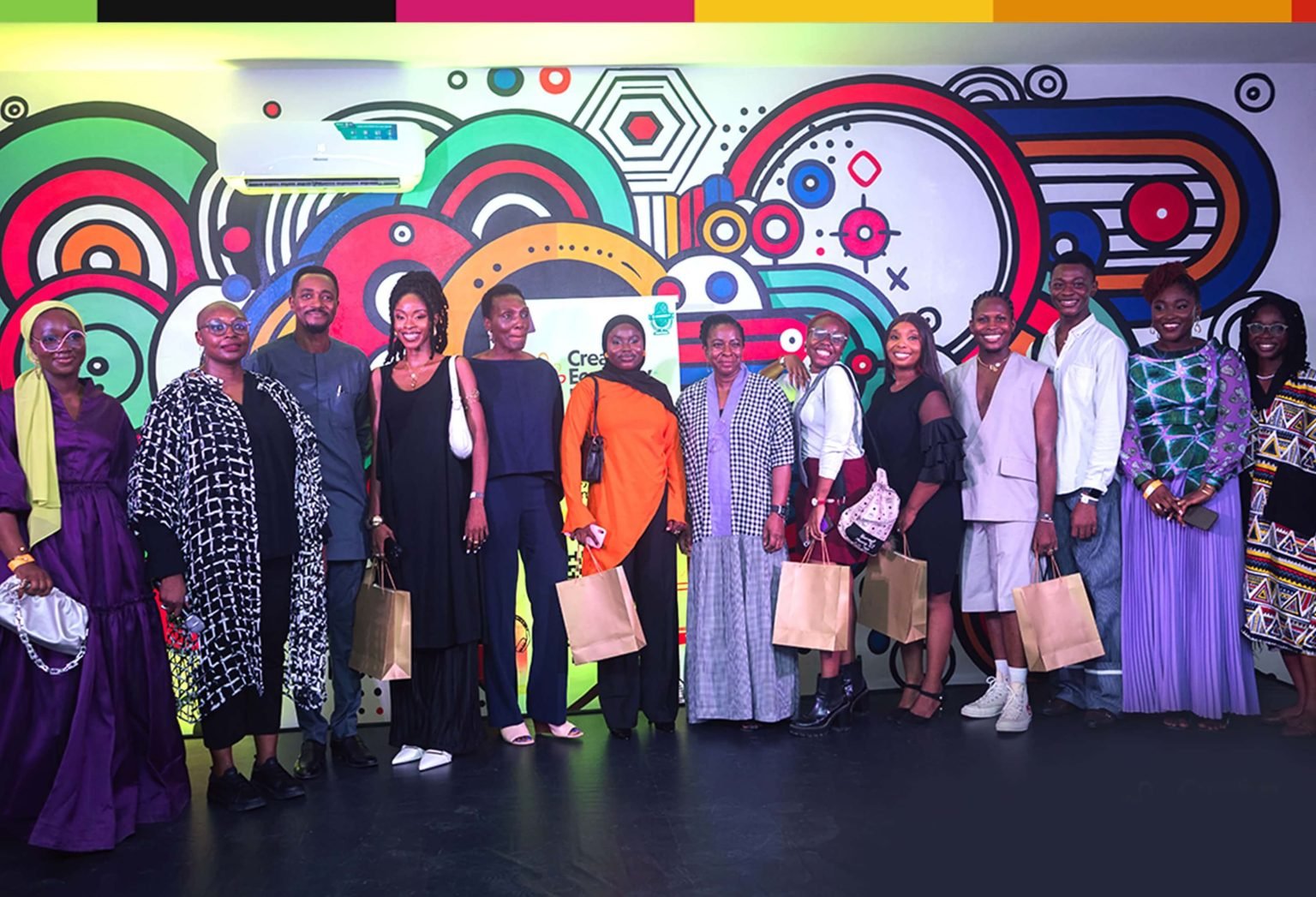
The Evolution of Africa’s Creator Economy: Beyond Viral Fame
As African social media continues to gain momentum, the traditional narrative often focuses on viral experiences: short, highly-shared clips, influencer partnerships, and fleeting moments of popularity. Yet, beyond this surface, a more structured and sustainable ecosystem is quietly developing, signaling a transformative shift within the continent’s creator economy.
Building a Sustainable Creator Landscape
Countries such as Nigeria and Kenya are witnessing a rise in media hubs, creator incubators, production studios, and training initiatives that aim to establish a more robust framework for creative output, moving beyond mere viral success to sustainable business ventures.
According to data from the CcHUB ecosystem, initiatives have supported 120 creators through multiple incubator cohorts, resulting in over 20,000 hours of studio production time. The content produced from this infrastructure has collectively reached over 180 million viewers across various digital platforms, illustrating a significant evolution in African digital culture.
The Missing Infrastructure Behind African Creativity
The often-heard sentiment within African creative communities is that talent is ubiquitous, but stability and institutional support are lacking. A musician may achieve overnight success with a viral song but struggles to secure distribution due to outdated systems. Similarly, filmmakers often face financial challenges in subsequent projects despite initial successes.
Improvisation has characterized much of the creative process, with artists piecing together gigs and collaborations without stable support systems. However, the new wave of innovation hubs focuses on addressing this gap. In just 2025, CcHUB initiatives have assisted 640 women in launching or expanding their ventures, facilitating 215 workshops with more than 1,100 hours of training.
This structured approach aims to provide creators with a path resembling that established in the technology startup sector, offering training, mentorship, and access to resources.
Opening the Studio Door
One notable change in the creator landscape is the emergence of shared studio spaces. With over 20,000 hours of production time generated, these facilities have alleviated a common bottleneck faced by creatives. High-quality equipment, such as cameras and editing suites—which were previously prohibitively expensive—are now accessible.
This democratization of resources is rapidly enhancing the quality of content. For example, Nigerian spoken word artist Elizabeth Umoru has expanded her storytelling approach, resulting in monthly viewership of approximately 100,000 after utilizing hub resources.
Creators as a New Workforce
The creator economy is evolving beyond entertainment into a form of digital labor. Millions of young Africans now rely on social platforms for their creative output, where cameras serve as tools of production, and audience engagement mirrors traditional business analytics.
With Africa’s median age around 19 and internet access expanding, creators function as cultural intermediaries, interpreting and shaping consumer behavior. Recognizing this potential, international organizations and venture funds are increasingly viewing the creator economy as a legitimate economic sector ripe for investment.
Embracing Cross-Platform Culture
African creators are adept at navigating multiple platforms. Content often transitions from TikTok to YouTube or Instagram, creating a fragmented but interconnected ecosystem. Training programs today recognize this reality, integrating multi-format narrative development into their curricula.
However, as creators learn to thrive within this mobile landscape, they must also navigate the unpredictable nature of social media ecosystems, where algorithm changes and monetization policies can shift rapidly.
Merging Creativity with Business Discipline
A recurring theme across various creative programs in Africa is the emphasis on business education. Creators entering incubators often possess artistic talent but lack financial acumen. For instance, Nigerian designer Joy Obuya learned through the Fashionomics Africa Accelerator that her brand’s pricing model was undervaluing her products, resulting in a projected revenue increase from $12,000 to over $140,000 by 2025.
Training in financial literacy, legal structures, and operational management has become essential, ensuring that a creative career can withstand economic fluctuations.
The Institutional Framework Supporting Creators
Much like Africa’s burgeoning technology ecosystem, a network of innovation hubs across cities like Lagos, Nairobi, and Kigali is developing specifically for creators. This hybrid environment fosters collaboration between creative professionals and entrepreneurs, enhancing both industries.
In this setting, a filmmaker might connect with a startup founder, or a podcaster could collaborate with a data analyst, creating valuable intersections that normalize structured support for the creative process.
The Future of the Creator Economy
The next chapter of Africa’s creator economy will likely hinge on balancing two competing forces: professionalization versus the volatility of social media.
While studios, training programs, and funding avenues are emerging, the rapid pace of social media can lead to fleeting attention. The real challenge lies in enabling creators to transition from platform dependency to ownership of their intellectual property and distribution networks.
Currently, a transformation is underway that redefines the African creator economy. It is evolving from individual personalities dominating social feeds to a structured environment filled with cameras, editors, mentors, and business plans—all of which are essential for sustainable success.
As this infrastructure continues to expand, it will be crucial to observe whether creators can navigate both the opportunities and challenges that lie ahead, solidifying their place within the global creative economy.
For more insights into the evolution of the creator economy, visit CcHUB and discover the transformative initiatives shaping the future.
