

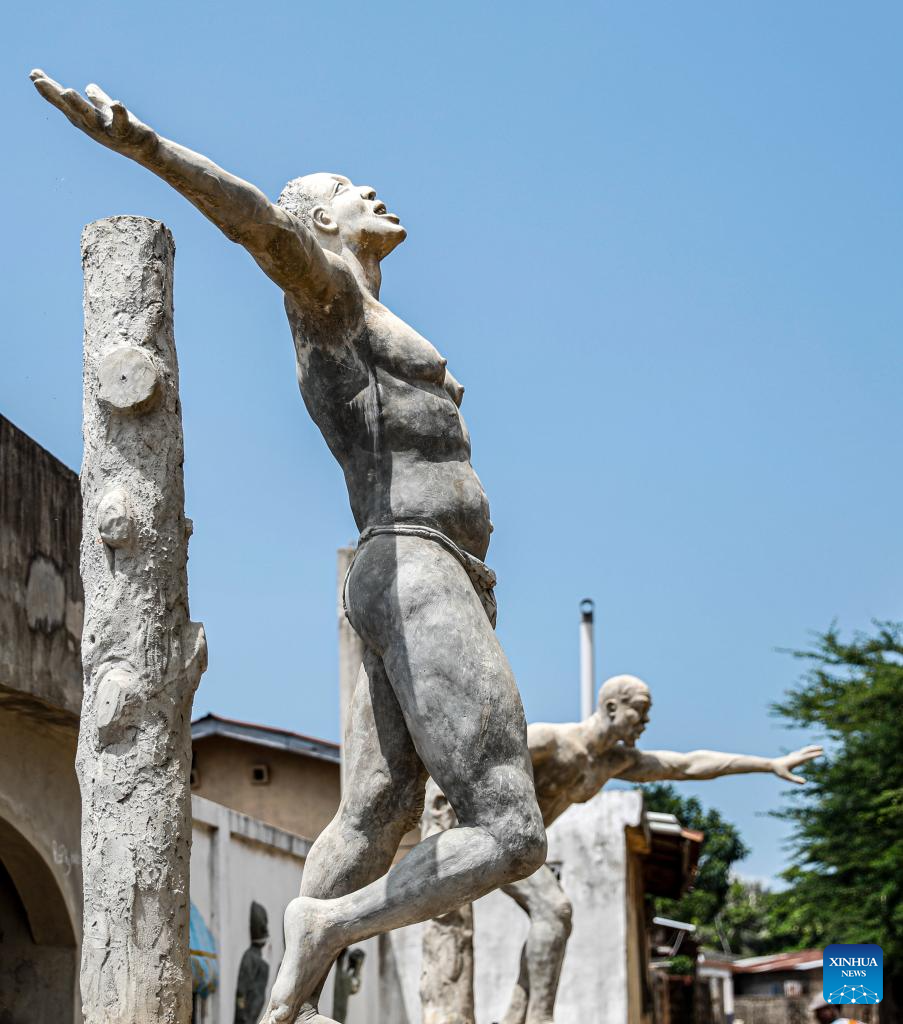
Ghana Proposes UN Recognition of Transatlantic Slave Trade as a Crime Against Humanity
At the recent African Union summit in Addis Ababa, Ghana has made a significant move towards addressing historical injustices by securing the inclusion of an initiative on the agenda that urges the United Nations General Assembly to recognize the Transatlantic Slave Trade and the racialized enslavement of Africans as a crime against humanity.
A Milestone Resolution Set for March 25
President John Dramani Mahama of Ghana announced that the resolution will be presented on March 25—a date that coincides with the International Day of Remembrance of the Victims of Slavery and the Transatlantic Slave Trade. This groundbreaking proposal aims to not only acknowledge the past but also to reshape the narrative at the UN level. It signals a vital political intervention, shifting the international normative language surrounding slavery and economic inequalities.
Understanding the Impact of the Transatlantic Slave Trade
The transatlantic slave trade was not merely a historical anomaly; it represented a structured system orchestrated by states that enabled the original accumulation of wealth, fueling imperial economies and early industrial capitalism. Millions were converted into capital, subjected to forced labor, and entangled in extensive networks of trade, finance, and maritime insurance.
This historical wealth did not dissipate with the abolition of slavery; rather, it evolved into modern infrastructure, financial systems, and persistent socio-economic advantages.
Challenging the Global Economic Order
The initiative introduced by Ghana compels an uncomfortable yet necessary question: If the global economic order partly benefitted from such a colossal crime, can it genuinely be perceived as historically neutral? This inquiry delves into the heart of structural inequalities within contemporary international systems.
Historical Context of Normative Memory
While the Durban Declaration and Programme of Action in 2001 characterized slavery and the transatlantic slave trade as crimes against humanity, it fell short of securing a dedicated resolution within the General Assembly. The distinction holds great significance; language in international law creates hierarchies that affect the legitimacy and responsibilities of nations involved. The proposal from Ghana seeks to integrate this historical narrative into current international lexicon without retroactively prosecuting past transgressions.
From Historical Accumulation to Structural Debt
The economic benefits derived from the slave trade were profound and systemic. They financed industrial growth and established financial institutions, while simultaneously subjecting African nations to forced depopulation and social disintegration. Today, many African nations find themselves entrenched in cycles of external debt, often overlooking the historical context that contributed to these socioeconomic inequities.
Understanding Structural Debt
Discussing structural debt transcends moral arguments; it acknowledges that contemporary economic imbalances have historical roots. The international financial system was not built on equal foundations, limiting many African countries’ prospects for sustainable growth.
The Potential Influence of a UN Resolution
A formal recommendation from the General Assembly does not directly result in indemnification obligations or criminal proceedings but can redefine the moral frameworks underlying global economic discussions. The recognition of the Transatlantic Slave Trade as a crime against humanity could bolster reparative justice agendas advocated by the African Union and Caribbean states, impacting national policies and litigation surrounding historical responsibilities.
Shifting the Debates on Debt Relief
Introducing reparative language could infuse ethical dimensions into debt relief discussions, transforming them from purely technical analyses to value-driven considerations.
Financial Architecture and Historical Legitimacy
International financial institutions still operate under governance structures that reflect power dynamics established in the 20th century. By securing formal acknowledgment of crimes against humanity, the African initiative offers a framework to reshape conversations around representation and voting rights, calling for a reassessment of historical justice.
Beyond Financial Compensation
Focusing solely on financial compensation dilutes the broader conversation on reparative justice. Current initiatives may also include structural investments, technology transfers, and educational reforms, thereby expanding the scope of reparatory efforts.
Confronting the Present Through Historical Recognition
The Ghanaian initiative does not aim to rewrite history but rather to confront current inequities stemming from it. By formally recognizing the atrocities of the past, the international economic order can be urged to confront its own historical context. This can open the door for rethinking frameworks surrounding development, debt, and global legitimacy.
In conclusion, framing normative memory as a crucial element of economic architecture, the Ghanaian proposal holds the potential to reshape future possibilities in international relations and economic justice.
For more information on reparative justice and historical acknowledgment, you can explore this resource.
