

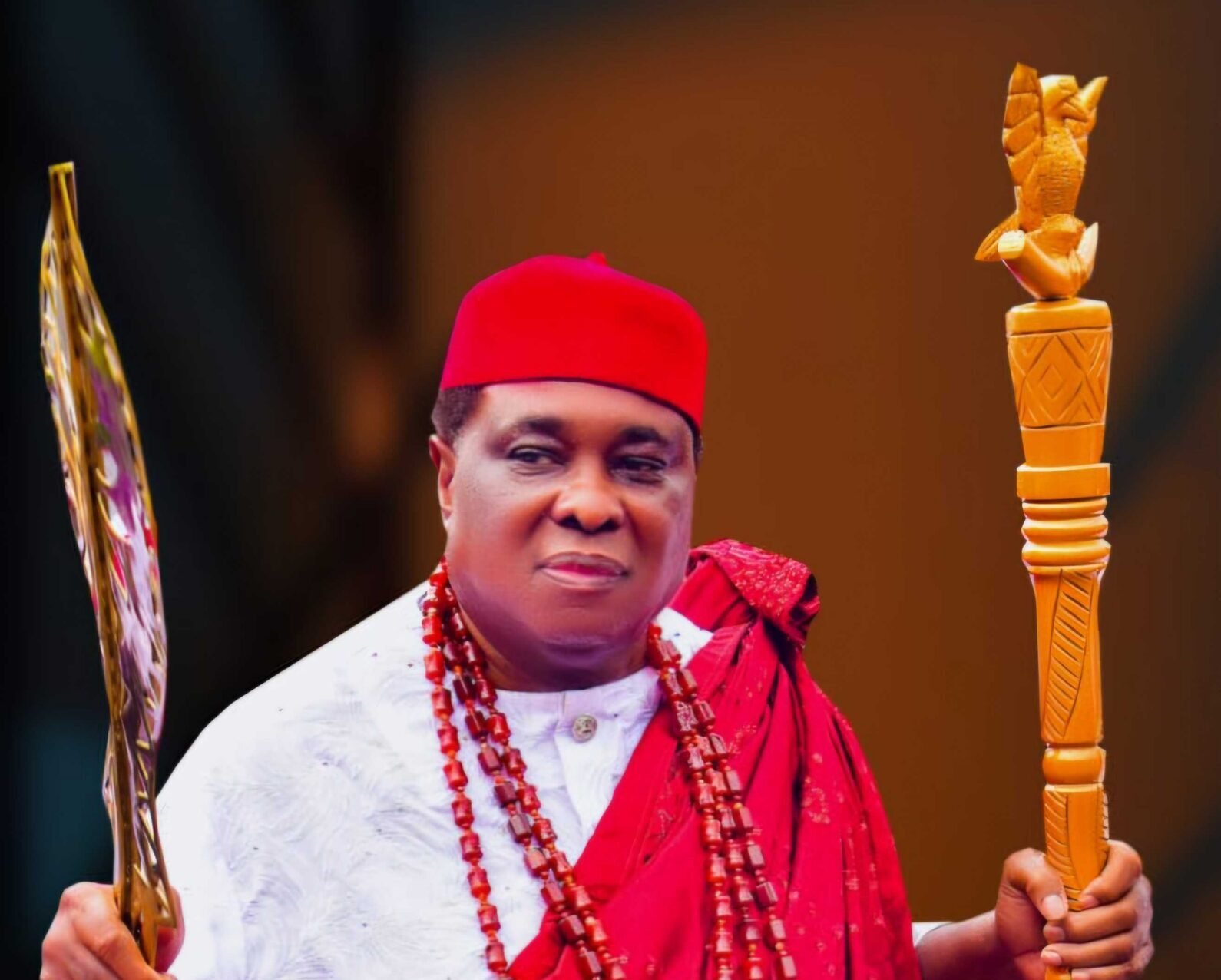
Barbados Welcomes Nigerian Regent Dr. Nwachukwu Anakwenze: A Cultural Reconnection with Igbo Heritage
This week, Barbados is poised to embrace an important visitor, Regent Dr. Nwachukwu Anakwenze, a revered traditional leader from Igboland, Nigeria. This visit aims to rekindle the cultural, ancestral, and historical bonds that link Barbados to West Africa, which is significant as most Barbadians trace their ancestral roots back to this region.
Celebrating Ancestral Links
Dr. Anakwenze’s trip is part of a broader initiative to reconnect Igbo communities scattered across the diaspora with their ancestral heritage. As the regent of the Abagana Kingdom in Anambra State, he carries a prestigious reputation as a physician, Pan-African advocate, and prominent community leader. Notably, he also chairs the Igbo World Assembly, an organization that unites Igbo communities across over 20 countries.
Historical research indicates that many of Barbados’s cultural traditions and customs have their origins in the Igbo ethnic group, particularly from the period when many enslaved individuals were forcibly brought to the Caribbean from the 1600s to the early 1800s.
Cultural Engagements in Barbados
Reverend Onkphra Wells, chair of the Pan-African Coalition of Organizations, stated that the visit is not just about reconnecting with heritage but also about building robust ties between the Caribbean and Africa. He remarked on the significance of engaging in conversations that highlight the African cultural elements that have persisted through the trials of slavery.
During his stay, Regent Anakwenze is scheduled to host a public lecture on Thursday at the Daphne Joseph Hackett Theatre in Queen’s Park at 6:30 PM, discussing Igbo cultural influences in the Caribbean. This initiative is part of a series of events designed to enrich cultural dialogue.
Connecting Historical Figures and Sites
As part of his itinerary, Regent Anakwenze intends to visit historical sites associated with King Jaja of Opobo, who, exiled by British colonial authorities, left a lasting mark on Barbadian folklore. His journey will also include significant locations such as the Newton Ancestral Burial Ground and the Bussa Emancipation Statue.
Importantly, many of these activities will be live-streamed, reaching an audience of over 100 million Nigerians globally, thereby enhancing Barbados’s international visibility. Wells emphasized that this exposure would present significant opportunities for the island.
Building Collaborative Networks
The visit also includes meetings with various governmental and academic bodies, such as representatives from the University of the West Indies. These engagements aim to strengthen collaborative efforts around cultural heritage, research, and diaspora involvement.
Dr. Anakwenze’s career is marked by impactful leadership roles in several health and civic organizations, including the Pan-African American Health Care Foundation and the Nigerian American World Affairs Council. His work focuses on broadening healthcare access and fostering educational and economic opportunities for underprivileged communities.
Rev. Wells pointed out that Dr. Anakwenze’s visit embodies the broader objective of reconnecting individuals of African descent with their heritage, while simultaneously fortifying relationships between Barbados and key African institutions.
As Barbados continues to navigate its identity as a republic, such cultural exchanges and networking endeavors could pave the way for increased opportunities in education, trade, and collaborative ventures.
Conclusion: The Path Forward
In reviving these connections, Barbados aims not only to honor its rich cultural past but also to establish a forward-looking approach that embraces its role within the broader African diaspora. The discussions and partnerships formed during this visit will undoubtedly help in crafting a roadmap for future relationships, enriching both Barbados and the descendants of its African ancestors.
This significant visit represents an exciting chapter in the ongoing journey of cultural exchange and mutual respect between Barbados and its African roots.
